By Dawn Myrvik
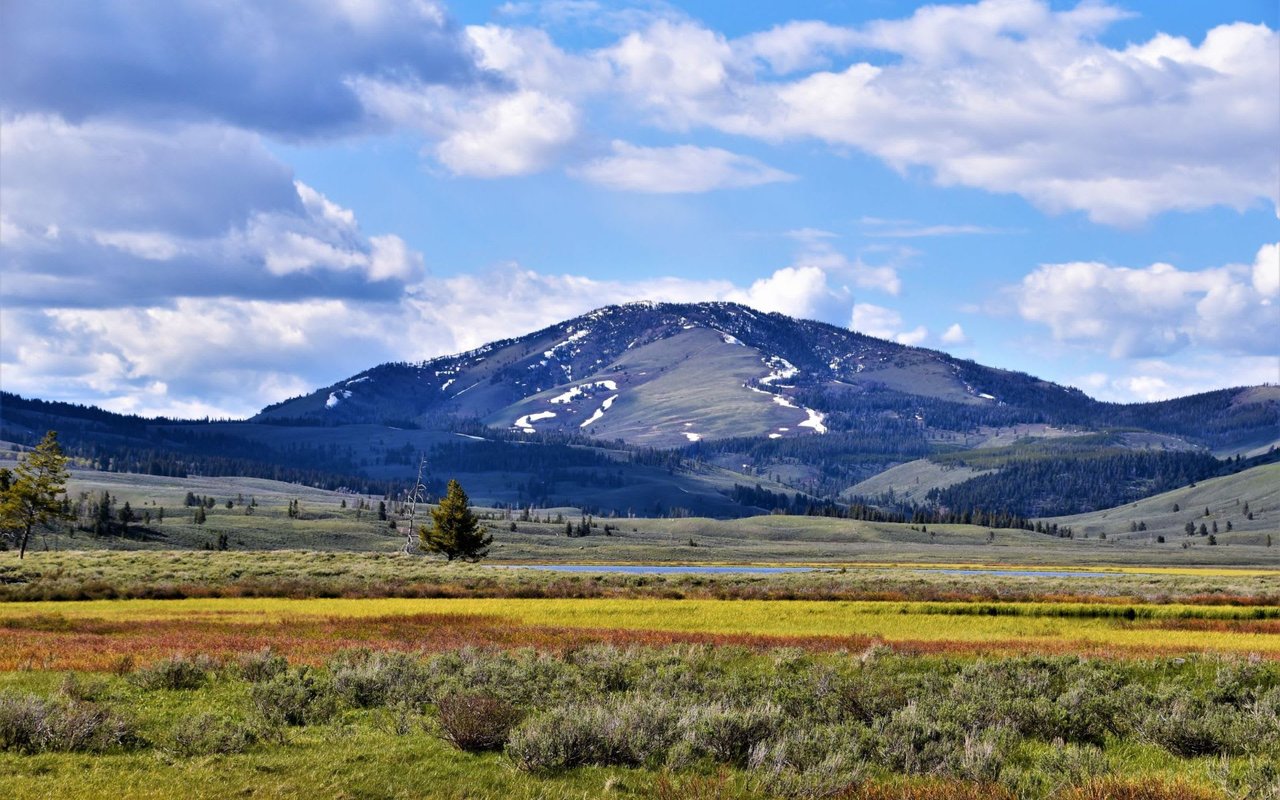
Ennis, Montana, sits in the Madison Valley with the Madison River running through it and the Tobacco Root and Madison mountain ranges framing the horizon in nearly every direction. It is a small town, but its built environment tells a layered story. Walk a few blocks in any direction, and you will pass century-old homesteads alongside freshly built mountain modern retreats. This range of architectural styles is not just visually interesting; it has real practical implications for buyers who are trying to determine which type of home actually fits the way they want to live.
Whether you are moving to Ennis full-time, searching for a second property, or investing in a vacation rental, understanding the local housing stock helps you ask better questions and make a more confident decision centered around your ambitions and dreams.
This guide will break down the primary architectural styles you will encounter in and around Ennis and the practical considerations that come with ownership. Think of it as your orientation to the local built environment before you ever step through a front door.
Key Takeaways
- Ennis features a gorgeous range of architectural styles, from early-20th-century homesteads to contemporary mountain modern construction.
- Historic homes in Ennis offer endless character and well-established landscaping but may require additional maintenance investment.
- Ranch-style properties remain one of the most common and versatile housing types in the Madison Valley.
- Newer construction in Ennis increasingly incorporates passive solar design and high-performance building envelopes suited well to the mountain climate.
- Understanding a home's construction era and style helps you evaluate both its long-term costs and its lifestyle fit.
The Historic Homestead: Ennis' Oldest Architecture
Ennis was established in the 1860s as a supply point for miners and ranchers moving through the Madison Valley. The earliest surviving residential structures reflect the pragmatism of that era. You will find modest single-story or one-and-a-half-story homes with simple gabled rooflines, painted wood siding, and front porches that face the street. These homes were built to be functional; ornamentation was minimal, and materials were often sourced locally or regionally.
What makes these properties so appealing to modern buyers is their authentic sense of place. An older homestead in Ennis feels genuinely connected to the history of the valley in a way that new construction cannot replicate. Original wide-plank floors, thick plaster walls, and hand-built cabinetry carry a warmth and texture that is difficult to recreate today. Many of these homes also sit on more expansive lots with mature trees, giving the properties a scale and rootedness that feels rare in the modern market.
That being said, the trade-off is maintenance. Homes from this era may have original or partially updated plumbing and electrical systems in place, single-pane windows, and insulation that does not meet modern standards. A thorough inspection is essential, and buyers should approach these properties with a realistic renovation budget in mind. The right historic home can be a deeply rewarding long-term investment, but it works best with buyers who go in with their eyes wide open.
What makes these properties so appealing to modern buyers is their authentic sense of place. An older homestead in Ennis feels genuinely connected to the history of the valley in a way that new construction cannot replicate. Original wide-plank floors, thick plaster walls, and hand-built cabinetry carry a warmth and texture that is difficult to recreate today. Many of these homes also sit on more expansive lots with mature trees, giving the properties a scale and rootedness that feels rare in the modern market.
That being said, the trade-off is maintenance. Homes from this era may have original or partially updated plumbing and electrical systems in place, single-pane windows, and insulation that does not meet modern standards. A thorough inspection is essential, and buyers should approach these properties with a realistic renovation budget in mind. The right historic home can be a deeply rewarding long-term investment, but it works best with buyers who go in with their eyes wide open.
What To Consider With Historic Homesteads
- Foundation type matters; many older Montana homes were built on pier or rubble foundations that may require modern reinforcement.
- Updating the windows to double or triple-pane glazing can noticeably reduce heating costs in the mountain climate.
- Check for lead paint and older wiring configurations.
- Original wood details like trim, mantles, and built-ins are often irreplaceable and add meaningful value when well-preserved.
Classic Ranch-Style Homes: The Valley's Workhorse Architecture
Ranch-style homes are the most prevalent residential building type across the Madison Valley. Built primarily from the 1950s through the 1980s, these single-story structures feature low-pitched roofs, attached garages, and an open connection between interior living spaces. They are practical in the best sense of the word. Everything is on one level, the footprints are generous, and the layouts accommodate the kind of casual, active lifestyle that draws people to a stunning setting like Ennis.
In a mountain environment, the ranch-style home has real advantages. Snow loads are easier to manage on a lower-pitched roof, and single-story living eliminates the concern of heating a multi-level residence in a climate that can see temperatures well below zero at times. Many ranch homes in the Ennis area have been updated with modern mechanical systems, open-concept kitchen remodels, and improved insulation, making them truly move-in ready while retaining the simple sensibilities and livability of their original layout.
Buyers looking for a primary residence or a long-term vacation home often gravitate toward ranch-style properties because of their adaptability. A basement addition, an expanded garage, or a covered back porch can meaningfully expand the home's utility without compromising its charm or character. These properties also tend to offer excellent value relative to newer construction, particularly for buyers who want established landscaping and a more modest price per square foot.
In a mountain environment, the ranch-style home has real advantages. Snow loads are easier to manage on a lower-pitched roof, and single-story living eliminates the concern of heating a multi-level residence in a climate that can see temperatures well below zero at times. Many ranch homes in the Ennis area have been updated with modern mechanical systems, open-concept kitchen remodels, and improved insulation, making them truly move-in ready while retaining the simple sensibilities and livability of their original layout.
Buyers looking for a primary residence or a long-term vacation home often gravitate toward ranch-style properties because of their adaptability. A basement addition, an expanded garage, or a covered back porch can meaningfully expand the home's utility without compromising its charm or character. These properties also tend to offer excellent value relative to newer construction, particularly for buyers who want established landscaping and a more modest price per square foot.
Features That Define Ranch-Style Living in Ennis
- Single-story floor plans simplify long-term living.
- Attached or detached garages are nearly universal and often oversized to accommodate boats, ATVs, and recreational gear.
- Generous backyards are common, with plenty of space for outbuildings, gardens, or a detached workshop.
- Proximity to the Main Street grid means that many ranch homes are within walking distance of Ennis' core amenities.
Cabin and Log Construction: Montana's Iconic Aesthetic
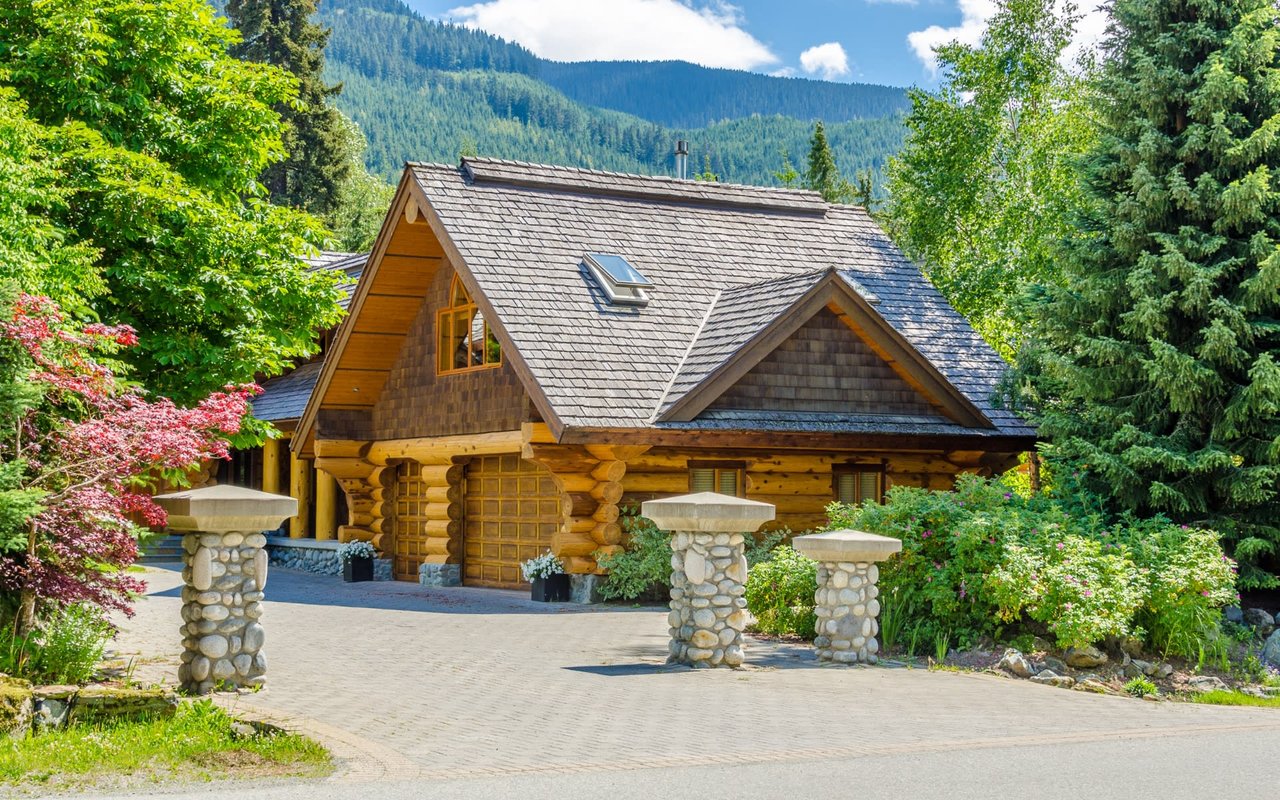
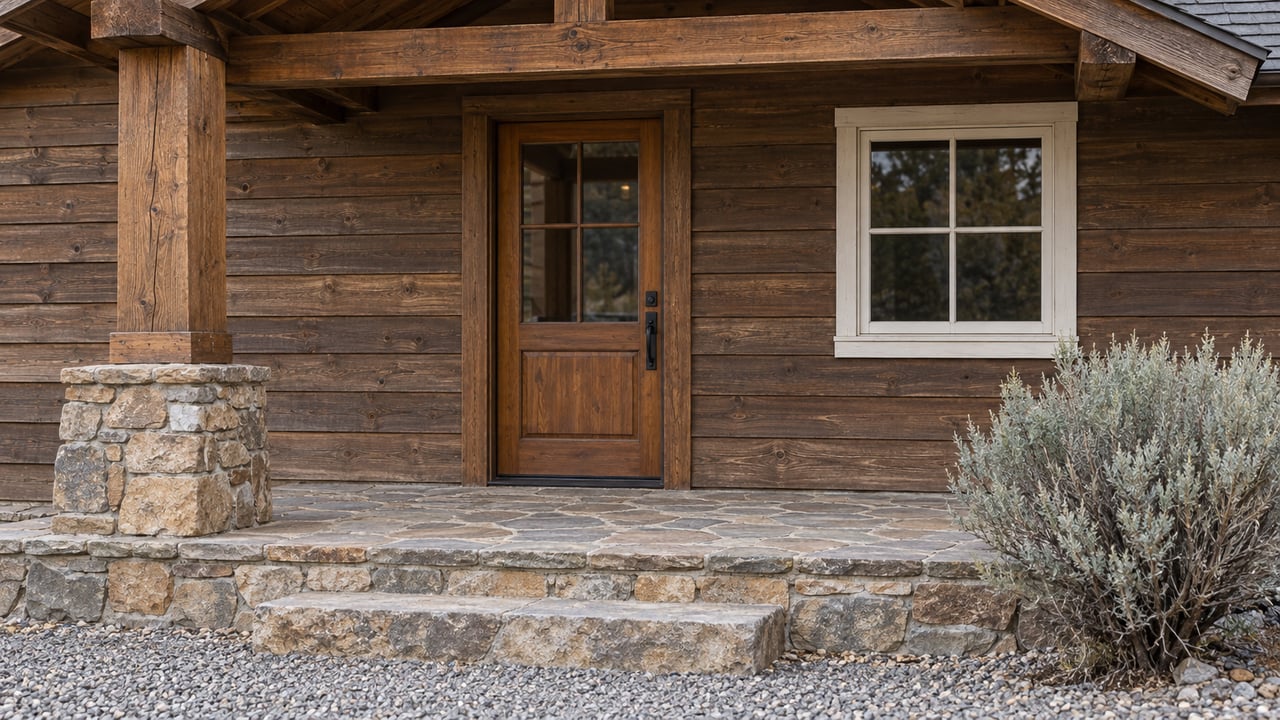
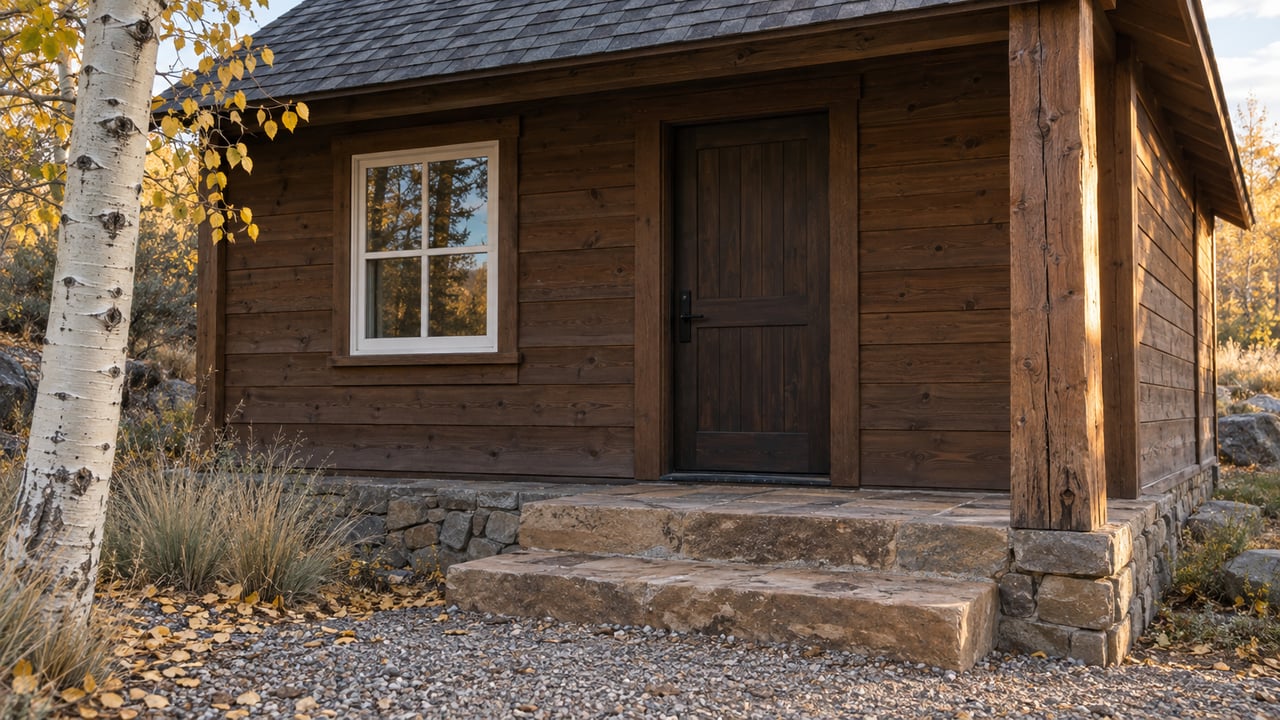
If you have spent any time dreaming about Montana living, there is a good chance that the image in your mind involved a log cabin. This building tradition has deep roots in the region, and Ennis and the surrounding valley have no shortage of log and timber-frame properties ranging from compact fishing cabins along the Madison River to larger full-time residences on acreage outside of town.
True log construction uses stacked and notched logs as both the structural system and the finished wall material. The thermal mass of the logs moderates interior temperatures, and the aesthetic is hard to argue with. Timber-frame homes use a different approach, with large exposed beams forming the structural skeleton and infill materials handling the insulation layer. Both styles feel at home in the landscape in a way that few other building types can match.
Owning a log or timber-frame home requires specific knowledge and a commitment to ongoing maintenance. Log homes need periodic chinking inspection and replacement to prevent air infiltration and moisture intrusion. The finish on the exterior wood needs to be monitored and refreshed on a regular schedule. For the right owner, a well-maintained log home in the Madison Valley is one of the most rewarding living experiences Montana has to offer.
True log construction uses stacked and notched logs as both the structural system and the finished wall material. The thermal mass of the logs moderates interior temperatures, and the aesthetic is hard to argue with. Timber-frame homes use a different approach, with large exposed beams forming the structural skeleton and infill materials handling the insulation layer. Both styles feel at home in the landscape in a way that few other building types can match.
Owning a log or timber-frame home requires specific knowledge and a commitment to ongoing maintenance. Log homes need periodic chinking inspection and replacement to prevent air infiltration and moisture intrusion. The finish on the exterior wood needs to be monitored and refreshed on a regular schedule. For the right owner, a well-maintained log home in the Madison Valley is one of the most rewarding living experiences Montana has to offer.
Ownership Considerations for Log and Timber-Frame Homes
- Chinking and sealant inspection should be part of every annual maintenance routine.
- Pest inspection is especially important; wood-boring insects can cause significant damage in log construction if left unchecked.
- Roof overhangs and proper drainage are critical to protecting the log walls from prolonged moisture exposure.
- Resale values for quality log construction in Montana remain compelling, particularly for properties with river or mountain views.
Mountain Modern and Contemporary Construction: Ennis's Newest Chapter
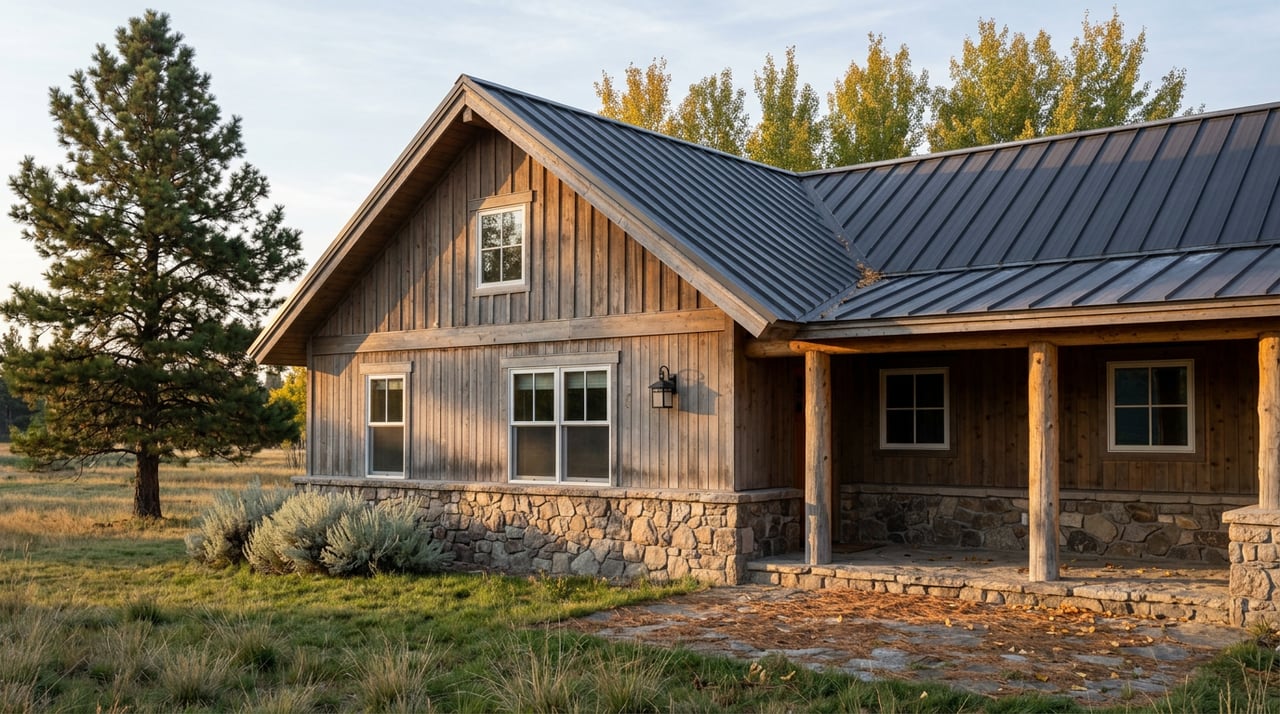
Over the past decades, a newer wave of construction has arrived in the Madison Valley. Mountain modern homes take cues from the landscape through the use of natural materials like stone, steel, and reclaimed wood, but interpret them through a contemporary architectural lens.
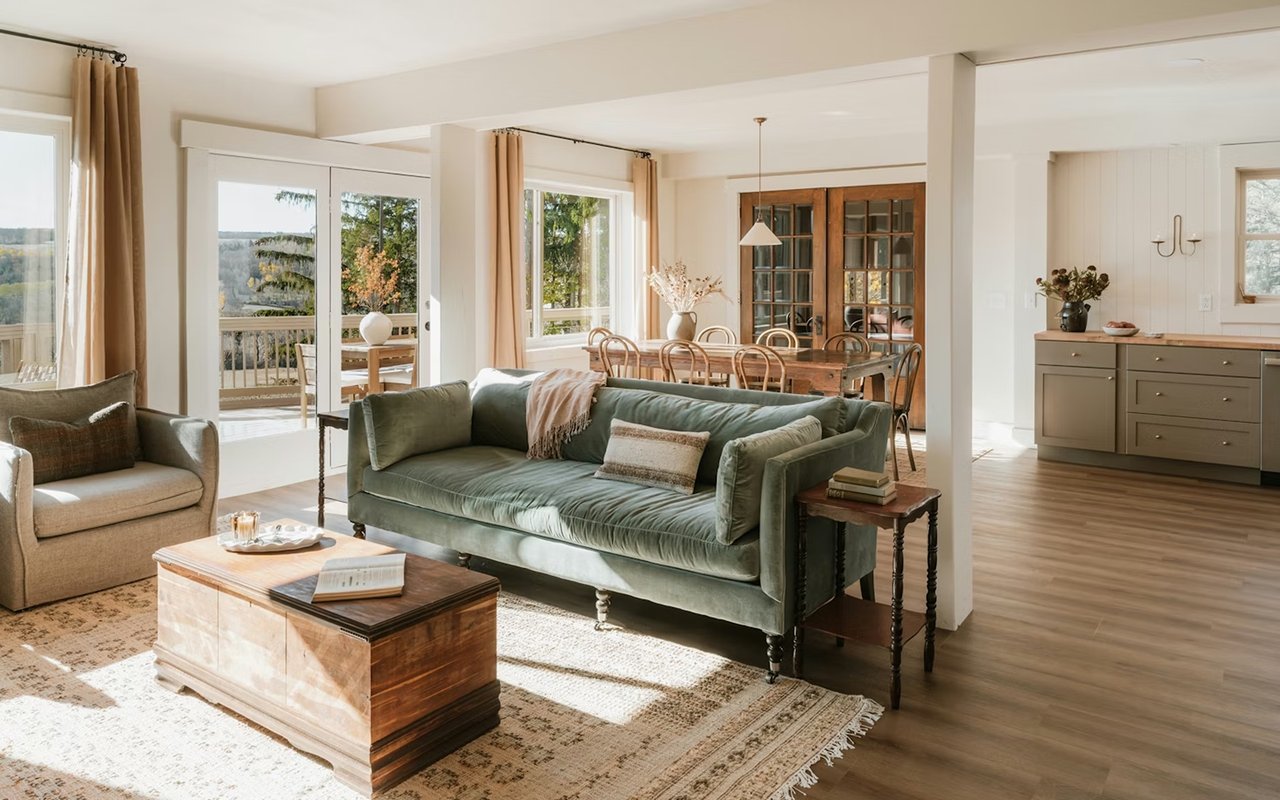
You get clean lines, large window walls oriented toward the awe-striking views, open-plan interiors, and high-performance building envelopes designed for the demands of a Montana climate.
These homes are particularly popular with buyers who want the Montana setting without the maintenance requirements of an older property. New construction in this style typically includes spray foam insulation, triple-pane glazing, radiant floor heating, and mechanical ventilation systems. Energy bills are lower, air quality is better, and the need for near-term capital improvements is minimal. The tradeoff is price; mountain modern construction in the Ennis area commands a significant premium over comparable square footage in older housing stock.
Passive solar design is a common thread in the best contemporary homes in the valley. South-facing window walls capture winter sun to supplement heating loads, while deep roof overhangs shade those same windows in summer. When executed well, this approach keeps the home comfortable across seasons without leaning heavily on mechanical systems.
You get clean lines, large window walls oriented toward the awe-striking views, open-plan interiors, and high-performance building envelopes designed for the demands of a Montana climate.
These homes are particularly popular with buyers who want the Montana setting without the maintenance requirements of an older property. New construction in this style typically includes spray foam insulation, triple-pane glazing, radiant floor heating, and mechanical ventilation systems. Energy bills are lower, air quality is better, and the need for near-term capital improvements is minimal. The tradeoff is price; mountain modern construction in the Ennis area commands a significant premium over comparable square footage in older housing stock.
Passive solar design is a common thread in the best contemporary homes in the valley. South-facing window walls capture winter sun to supplement heating loads, while deep roof overhangs shade those same windows in summer. When executed well, this approach keeps the home comfortable across seasons without leaning heavily on mechanical systems.
What Sets Mountain Modern Homes Apart?
- High-performance windows and insulation dramatically reduce heating and cooling costs compared to older construction.
- Open floor plans and large glazed walls create a seamless visual connection to the surrounding landscape.
- Materials like weathered steel cladding, board-form concrete, and reclaimed timber age gracefully in the Montana climate.
- Many newer builds include oversized mechanical rooms with space for generator hookups, water filtration systems, and backup heating.
FAQs
What Is the Most Common Home Style in Ennis, MT?
Ranch-style homes from the mid-20th century are the most common residential building type in Ennis and the broader Madison Valley. They are well-suited to the climate, offer flexible floor plans, and tend to be priced accessibly relative to newer construction or historic properties with significant renovation needs.
Are Log Cabins a Good Investment in the Ennis Area?
Log and timber-frame homes in the Madison Valley hold their value well, particularly when they are properly maintained and situated on desirable land. Buyers should go in with a clear understanding of the maintenance commitment involved and budget accordingly. A well-maintained log home in a great location is a compelling long-term asset.
How Does Montana's Climate Affect Home Construction?
The Madison Valley experiences cold winters with snowfall and warm, dry summers. Homes here need to be built or updated for substantial snow loads, efficient heating, and durable exterior materials. Newer construction increasingly incorporates passive solar design and high-performance building systems to manage these demands. Older homes may require targeted upgrades to reach the same level of comfort and efficiency.
What Should I Prioritize When Touring Homes in Ennis?
Beyond square footage and layout, pay close attention to the condition of the roof, foundation, windows, and mechanical systems. In older homes, these are the areas most likely to require investment after purchase. In newer construction, focus on how the home is oriented to the site and whether the mechanical systems have been properly commissioned and maintained.
Your Next Step Starts With the Right Conversation
Ennis is one of those markets where the architecture is inseparable from the landscape and the lifestyle. A log cabin along the Madison River is a fundamentally different living experience than a mountain modern retreat on a hillside, even if both properties check similar boxes on paper.
When you are ready to start exploring what is available in the Ennis area, reach out to me, Dawn Myrvik. I know this market in depth and can help you find a home that fits both your vision and your long-term plans.
When you are ready to start exploring what is available in the Ennis area, reach out to me, Dawn Myrvik. I know this market in depth and can help you find a home that fits both your vision and your long-term plans.