By Dawn Myrvik
There is something quietly powerful about a well-lit room. The right lighting can make a space feel expansive or close-knit, energizing or restful, polished or warmly lived-in — all depending on how it's layered and directed. In Ennis, Montana, where dramatic mountain scenery and wide-open skies set the tone for daily life, your home's interior lighting should feel just as intentional and carefully considered as the landscape outside your window.
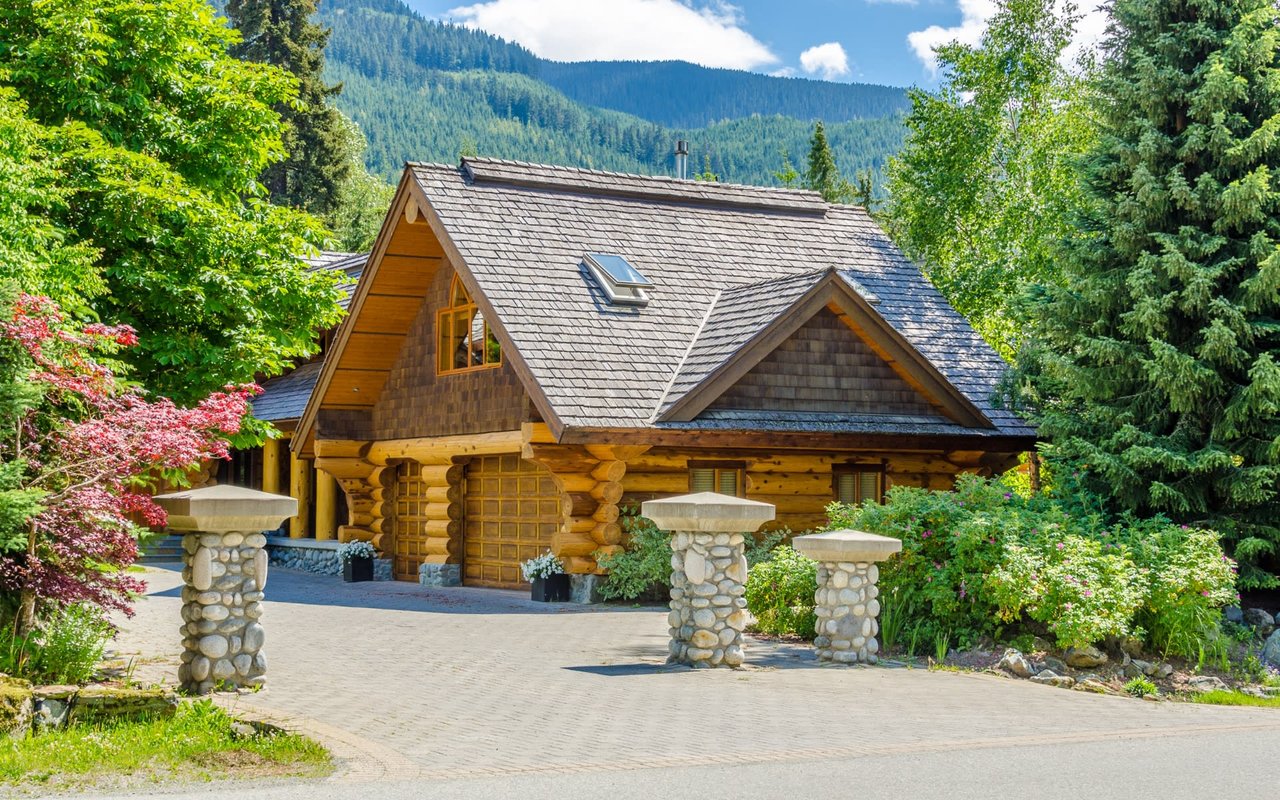
Living in a stunning setting like Ennis means that your home carries a particular character. Whether you're in a timber-frame retreat near the Madison River, a renovated ranch-style property on the edge of town, or a contemporary build with sweeping views of the Tobacco Root Mountains, the way you light your living space directly shapes how it feels. Done well, lighting can make a room feel larger, warmer, more sophisticated, and more serene.
The great news is that transforming your living space with lighting doesn't require a full-home renovation. With a clear understanding of the principles, the right fixtures, and some thoughtful planning, you can take a room from functional to extraordinary. Here's what you need to know.
Key Takeaways
- Layering multiple light sources is the single most effective strategy for creating a dynamic, inviting living room.
- Natural light plays a significant role in Ennis homes, and your artificial lighting should be designed to complement and extend it.
- Fixture selection, bulb temperature, and dimmer controls all work together to shape the ambiance and energy of a space.
- Accent lighting is often overlooked but can be the element that makes a room feel finished and curated.
- Small adjustments — like repositioning a floor lamp or swapping a bulb — can have an outsized impact on how a room looks and feels.
The Case for Layered Lighting
The most common misstep homeowners take is relying on a single overhead fixture to do all the work. A ceiling light, no matter how beautiful, creates flat, even illumination that eliminates shadow and depth. The result is a room that feels more like a waiting area than a home. Layered lighting solves this by combining multiple light sources at different heights and intensities to create a richly textured environment.
In interior lighting design, layers are typically broken into three categories: ambient, task, and accent. Ambient lighting is the general illumination that fills a room. Task lighting targets specific areas where you read, work, or cook. Accent lighting showcases architectural features, artwork, or objects of interest. Each layer has a job, and when they work together, the effect is both practical and stunning.
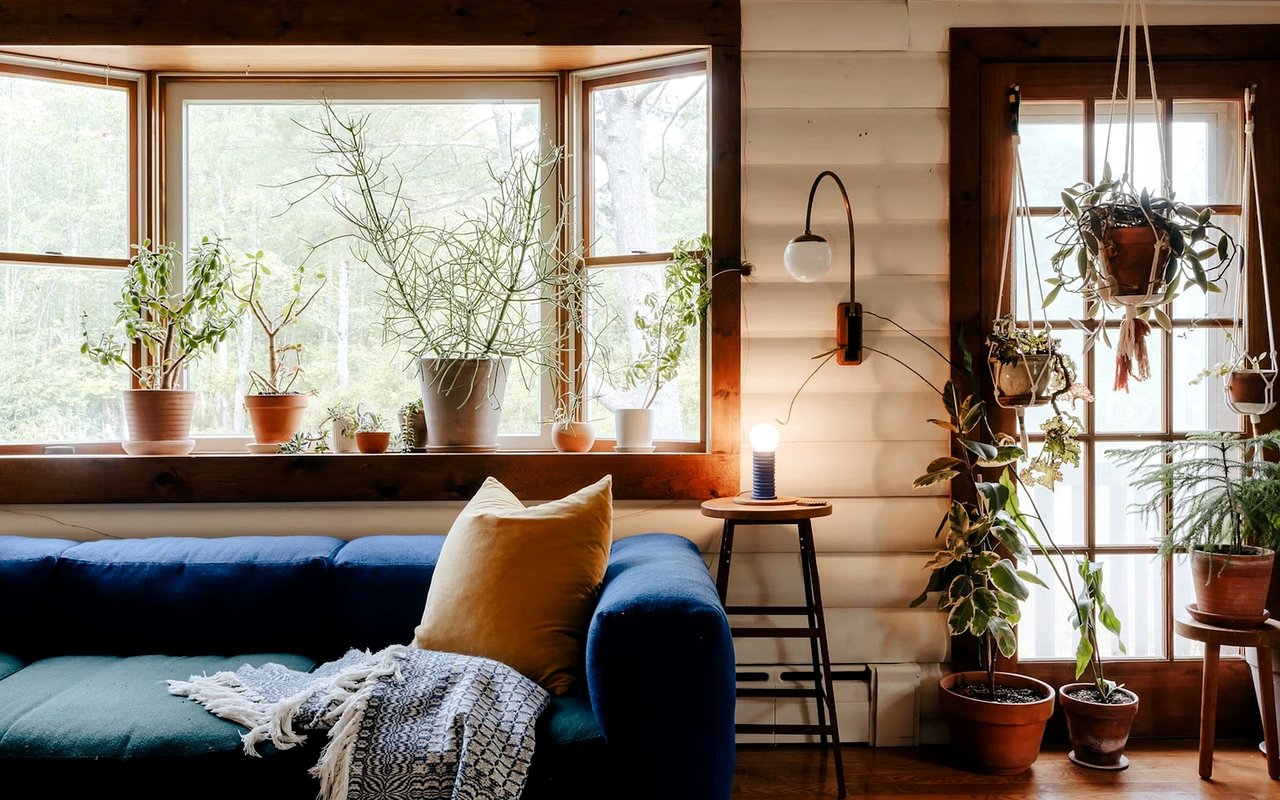
For living spaces in Ennis, where rooms often feature natural materials like exposed wood, stone, and leather, layered lighting enhances the warmth and texture that are already present in the architecture. A well-placed floor lamp next to a reading chair, combined with recessed ambient lighting and a picture light above a piece of art, creates a room that feels intentional and alive.
In interior lighting design, layers are typically broken into three categories: ambient, task, and accent. Ambient lighting is the general illumination that fills a room. Task lighting targets specific areas where you read, work, or cook. Accent lighting showcases architectural features, artwork, or objects of interest. Each layer has a job, and when they work together, the effect is both practical and stunning.
For living spaces in Ennis, where rooms often feature natural materials like exposed wood, stone, and leather, layered lighting enhances the warmth and texture that are already present in the architecture. A well-placed floor lamp next to a reading chair, combined with recessed ambient lighting and a picture light above a piece of art, creates a room that feels intentional and alive.
The Three Layers of Light at a Glance
- Ambient lighting provides the foundational glow of a room, typically from overhead fixtures, recessed cans, or flush mounts.
- Task lighting serves functional purposes, such as reading lamps, desk lamps, or under-shelf lighting in built-ins.
- Accent lighting draws the eye to specific features, including artwork, architectural details, or decorative objects on shelves.
Understanding Bulb Temperature and Why It Matters
Not all light is the same, and the color temperature of your bulbs has a profound effect on how a space feels. Measured in Kelvins, bulb temperature ranges from warm amber tones at the lower end to cool, blue-white tones at the higher end. For living spaces, the sweet spot is typically between 2,700K and 3,000K, which produces a warm white light that feels comfortable and residential without feeling too yellow or dim.
In homes throughout Ennis, where winters are long and evenings come early, warm lighting is especially important. It creates the kind of cozy, inviting atmosphere that makes a home feel like a retreat from the cold. Cool-toned bulbs, by contrast, tend to make spaces feel clinical or harsh, which works well in garages or utility rooms but rarely flatters a living space.
It's also worth considering the color rendering index, or CRI, of the bulbs you choose. A high CRI means that the light accurately represents the true colors of objects in the room. For spaces with natural wood tones, artwork, or rich fabrics, a CRI of 90 or above ensures that everything looks as vibrant and true to life as it should.
In homes throughout Ennis, where winters are long and evenings come early, warm lighting is especially important. It creates the kind of cozy, inviting atmosphere that makes a home feel like a retreat from the cold. Cool-toned bulbs, by contrast, tend to make spaces feel clinical or harsh, which works well in garages or utility rooms but rarely flatters a living space.
It's also worth considering the color rendering index, or CRI, of the bulbs you choose. A high CRI means that the light accurately represents the true colors of objects in the room. For spaces with natural wood tones, artwork, or rich fabrics, a CRI of 90 or above ensures that everything looks as vibrant and true to life as it should.
Bulb Selection Basics
- Warm white bulbs (2,700K–3,000K) are ideal for living rooms, bedrooms, and dining areas.
- LED bulbs with a high CRI (90+) render colors accurately and are energy-efficient for year-round use in Montana's climate.
- Dimmer-compatible bulbs allow you to adjust intensity throughout the day and evening.
- Smart bulbs offer color temperature adjustment built in, so you can shift from brighter daylight tones in the afternoon to warmer tones at night.
Working With Natural Light in Ennis
One of the distinct advantages of living in southwest Montana is the quality of natural light. Ennis sits at an elevation that produces bright, clear days for much of the year, and homes with south- or west-facing windows benefit from extended hours of direct sunlight. Understanding how natural light moves throughout your home is the foundation of any thoughtful lighting plan.
During the summer months, the sun rises early and sets late, flooding rooms with light for much of the day. In the winter, the angle of the sun is lower, creating longer shadows and softer light that comes in at a more horizontal angle. Your artificial lighting plan should account for both seasons, providing warmth and depth when natural light fades and complementing it when it's abundant.
Window treatments play a major supporting role here. Sheer curtains allow natural light to diffuse softly through a room while maintaining privacy. Heavier drapes can block light when needed but should be pulled back fully during the day to let the wondrous Montana landscape serve as a living backdrop. When choosing interior lighting, consider how it will feel alongside the natural light during transitional hours, such as early morning and late afternoon, when both sources are present simultaneously.
During the summer months, the sun rises early and sets late, flooding rooms with light for much of the day. In the winter, the angle of the sun is lower, creating longer shadows and softer light that comes in at a more horizontal angle. Your artificial lighting plan should account for both seasons, providing warmth and depth when natural light fades and complementing it when it's abundant.
Window treatments play a major supporting role here. Sheer curtains allow natural light to diffuse softly through a room while maintaining privacy. Heavier drapes can block light when needed but should be pulled back fully during the day to let the wondrous Montana landscape serve as a living backdrop. When choosing interior lighting, consider how it will feel alongside the natural light during transitional hours, such as early morning and late afternoon, when both sources are present simultaneously.
How To Maximize Natural Light Year-Round
- Use light-colored walls and reflective surfaces to bounce natural light deeper into the room during the winter months.
- Position mirrors opposite the windows to effectively multiply the amount of daylight that reaches the interior.
- Keep window areas clear of bulky furniture that might block low-angle winter sun.
- Layer sheer and opaque window treatments so that you have full control over light levels throughout the day.
Accent Lighting: The Finishing Touch
Accent lighting is the detail that separates a thoughtfully designed room from one that just has enough light to function. It draws attention to the features you want people to notice: a painting, a built-in bookshelf, a fireplace surround, or an interesting ceiling detail.
Accent lighting pairs especially well with the architectural character of many homes in Ennis. Recessed picture lights above framed photography or art, LED strip lighting tucked beneath floating shelves, or adjustable track lighting directed at a feature wall can completely change the visual hierarchy of a room.
Uplighting is another underutilized technique. Small uplights placed at the base of a fireplace, behind a large plant, or in the corners of a room cast light upward in a way that adds drama and dimension. Combined with overhead ambient lighting and task lighting, uplighting rounds out a fully layered approach and adds a level of sophistication.
Accent lighting pairs especially well with the architectural character of many homes in Ennis. Recessed picture lights above framed photography or art, LED strip lighting tucked beneath floating shelves, or adjustable track lighting directed at a feature wall can completely change the visual hierarchy of a room.
Uplighting is another underutilized technique. Small uplights placed at the base of a fireplace, behind a large plant, or in the corners of a room cast light upward in a way that adds drama and dimension. Combined with overhead ambient lighting and task lighting, uplighting rounds out a fully layered approach and adds a level of sophistication.
Accent Lighting Ideas Worth Considering
- Picture lights or recessed directional fixtures highlight artwork and create a gallery-like effect in a living space.
- LED strip lighting beneath shelving or along toe kicks adds depth and a contemporary edge without requiring major installation.
- Uplights behind plants or in room corners create dramatic shadows and add architectural interest.
- A statement pendant over a reading nook or conversation area serves as both a functional light source and a focal point.
FAQs
How Do I Know Which Lighting Layer to Start With?
Start with ambient lighting and work from there. Ambient light is the foundation, as it establishes the baseline illumination level for the room. Once that's in place, identify where you need task lighting based on how you actually use the space, then layer in accent lighting to add depth and highlight what matters most.
What Light Bulb Color Temperature Is Best for a Living Room?
For living rooms, a color temperature between 2,700K and 3,000K is generally ideal. This range produces a warm white light that feels inviting and comfortable, particularly in the evening. If your living room doubles as a home office or a space where you need focused light during the day, consider fixtures with adjustable or dimmable bulbs so that you can shift the tone as needed.
Can I Transform My Living Space Without Rewiring or Major Installation?
Absolutely. Some of the most impactful lighting changes require no hardwiring at all. Swapping bulbs to a warmer color temperature, adding plug-in floor lamps, installing battery-powered picture lights, and placing table lamps strategically can change how a room feels. Dimmer switches are also a relatively simple upgrade that most homeowners can install without extensive electrical work.
Light the Way to the Home of Your Dreams
Lighting is one of the most powerful tools you have when it comes to shaping how your living space looks and feels. In Ennis, Montana, where homes carry a sense of place and personality rooted in the landscape, your interior lighting plays a central role. The right combination of ambient, task, and accent light, paired with warm bulbs and an awareness of natural light patterns, can turn an ordinary room into a space that reflects the way you live.
I am here to help you navigate every aspect of buying or selling in Ennis, Montana, from evaluating a property's potential to making sure your home shows at its best. Reach out to me, Dawn Myrvik, today to start the conversation.
I am here to help you navigate every aspect of buying or selling in Ennis, Montana, from evaluating a property's potential to making sure your home shows at its best. Reach out to me, Dawn Myrvik, today to start the conversation.