Wondering whether your Ennis home should come with sidewalks and shorter errand runs or a longer driveway and more elbow room? That choice shapes your daily routine more than almost any finish or floor plan. If you are comparing in-town Ennis with acreage outside the core, this guide will help you think through convenience, upkeep, access, utilities, and lifestyle so you can choose the setting that fits the way you want to live. Let’s dive in.
Why this choice matters in Ennis
Ennis is not a large metro with endless services spread across multiple districts. It functions as a small service hub for Madison County, with key daily destinations centered around town, including schools, the library, medical facilities, parks, and Main Street businesses.
That local setup makes the in-town versus acreage decision especially important. In Ennis, you are often choosing between easier access to town services and a more self-managed rural lifestyle with additional land, privacy, and flexibility.
A helpful way to picture it is this: downtown Ennis clusters around the US 287 and MT 287 corridor, with East Main as a distinct downtown area and additional commercial development extending north and west. That layout helps explain why many buyers compare a compact in-town property with a more road-dependent property just outside the core.
In-town Ennis offers simpler daily living
For many buyers, in-town Ennis is about convenience first. Living in town usually puts you closer to schools, the Madison Valley Public Library, Madison Valley Medical Center, and Main Street services like groceries, dining, and other everyday stops.
That does not mean Ennis feels urban. It still has a small-town rhythm and a practical Western character, but the town does provide municipal systems and services that can make day-to-day life feel more straightforward.
Town services reduce some of the load
The Town of Ennis operates water and sewer service, wastewater treatment, and street maintenance. Town street work includes pothole repair, grading, snow removal and ice control, street sweeping, drainage and culvert maintenance, and sign repair.
For you as a homeowner, that often means less direct responsibility for certain infrastructure compared with a rural property. The key difference is not city versus country. It is more often municipal responsibility versus private responsibility.
Lot size is often the tradeoff
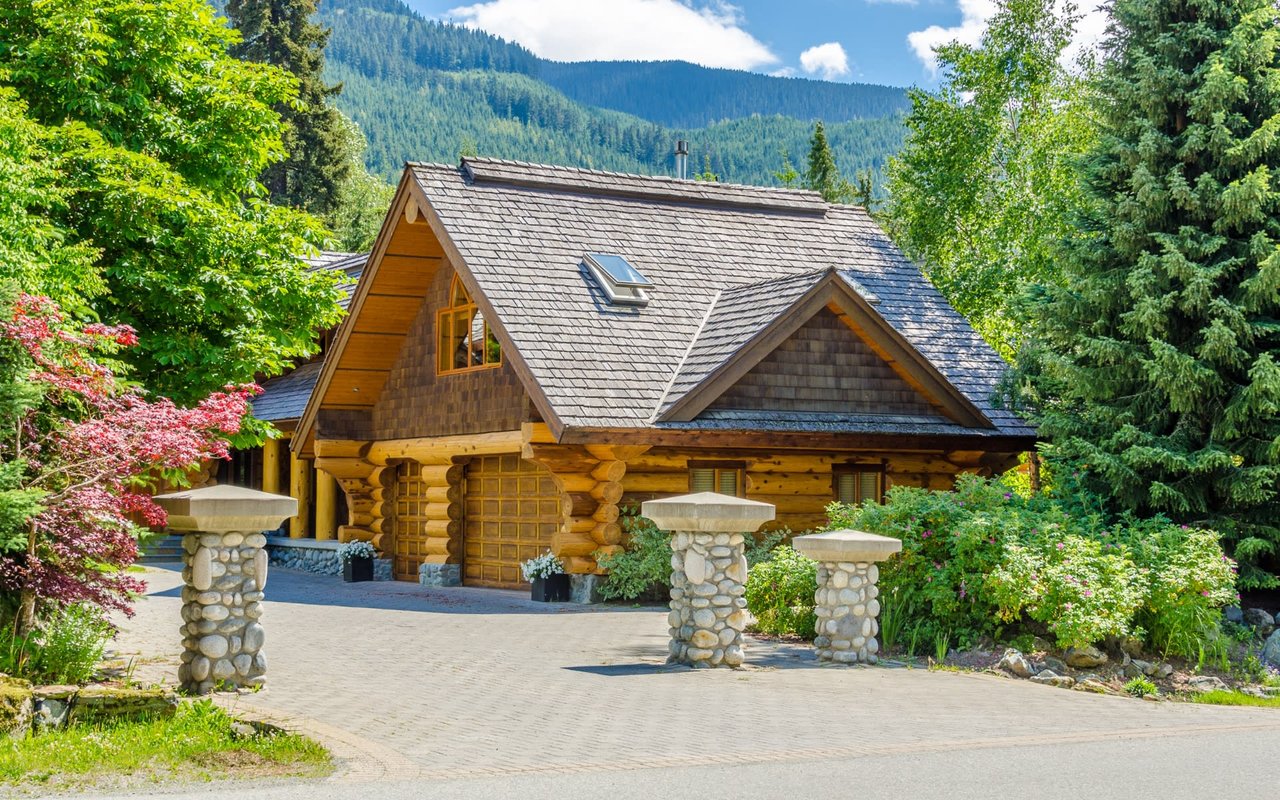
Recent in-town listings on Dawn Myrvik’s website show how this can look in real life. One townhome offered 3 bedrooms and 3 bathrooms on about 0.02 acres with sidewalks, an attached garage, public water, public sewer, and fiber-optic availability. Another in-town home offered 3 bedrooms and 2 bathrooms on about 0.3 acres with public water and sewer, landscaping, a concrete driveway, and an attached garage.
That snapshot captures the basic tradeoff well. You may give up larger acreage and some separation from neighbors, but you often gain a property that asks less of you outside.
Winter can feel more manageable
In-town living can also simplify winter logistics. Because you are typically closer to schools, the library, the clinic, and local businesses, routine trips may require fewer miles and less dependence on county road conditions.
That said, in-town does not mean every road is paved or maintenance-free. Ennis still maintains gravel roads and handles snow and ice control within town, so the distinction is not about avoiding winter realities. It is about how much of that responsibility falls on the town versus on you.
Acreage around Ennis offers space and independence
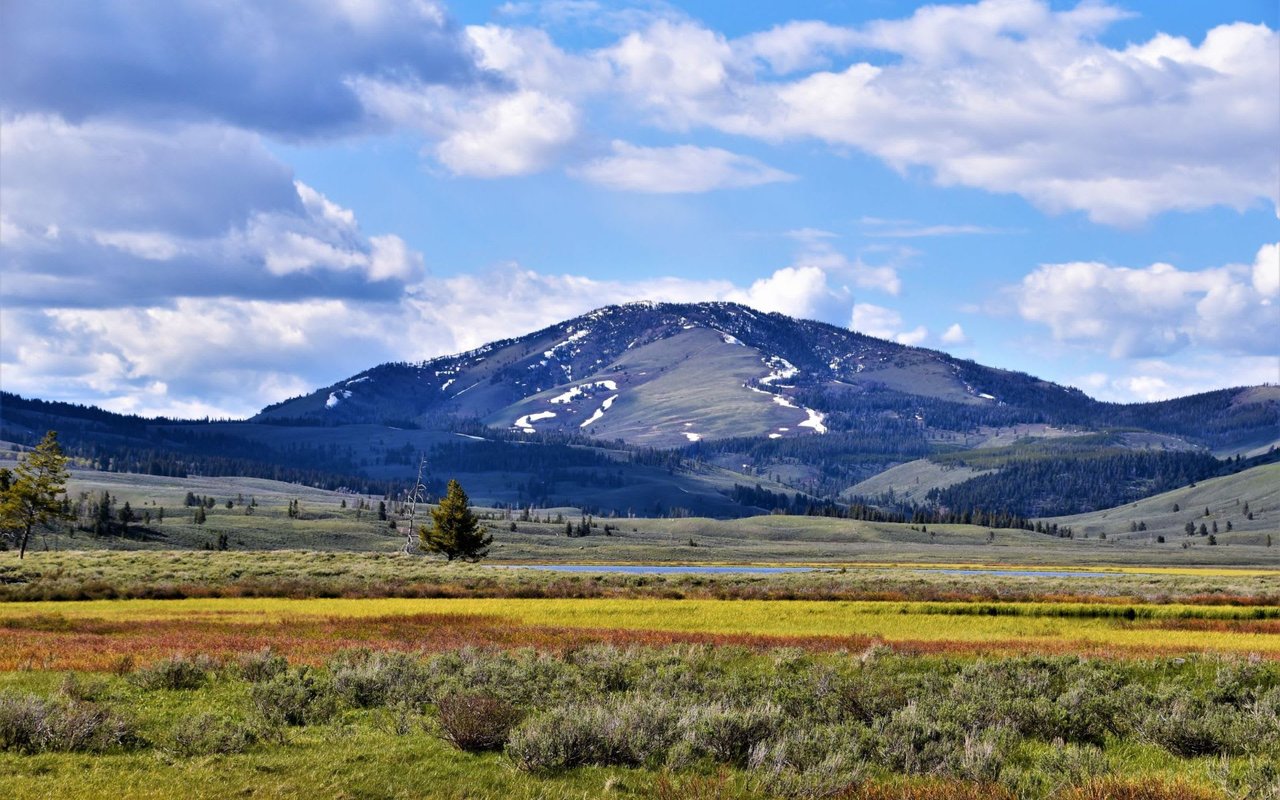
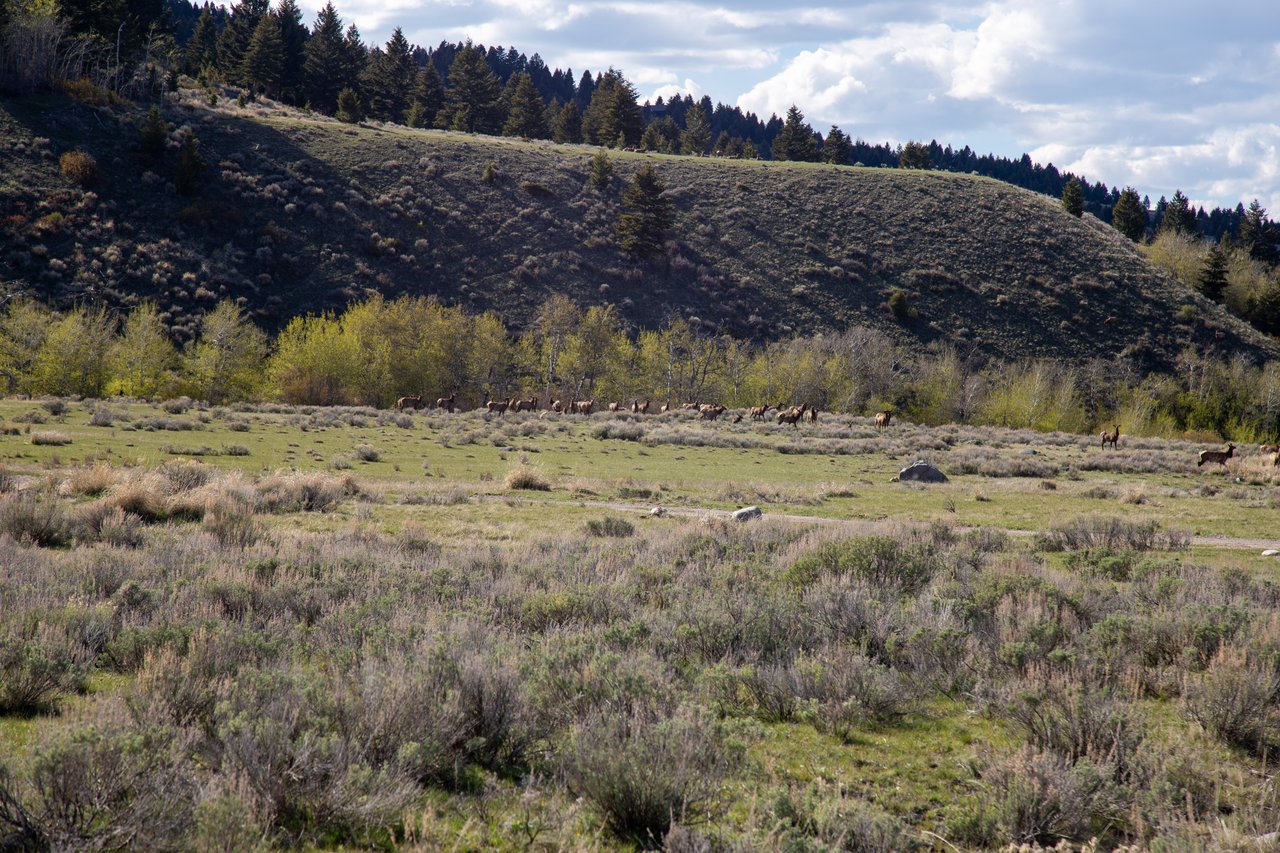
If your vision of Montana includes bigger skies, more privacy, room for animals, a shop, or space to spread out, acreage may be the better fit. Rural properties around Ennis often appeal to buyers who want land to support hobbies, equipment, guest space, gardening, or a more self-sufficient lifestyle.
The key is to go in with clear eyes. More land can bring more freedom, but it usually brings more planning, maintenance, and decision-making too.
Land can support more uses
Current area listings highlighted on Dawn Myrvik’s website show the range of rural property features around Ennis. Examples include a 14.87-acre log property with a well, septic, guest quarters, indoor arena, commercial building, shed, and no covenants; a 47-acre farmstead with irrigated ground, a barn, tack room, shelters, corrals, greenhouse, guest cabins, and storage shed; and a 2.88-acre log home with a detached workshop garage and storage areas.
These are not just larger versions of in-town homes. They are often properties shaped around land use, equipment, recreation, animals, or independent living systems.
Road access should be one of your first questions
With acreage, access matters as much as acreage count. Madison County maintains about 1,200 to 1,300 miles of roads, but the county also notes that some public roads are not maintained.
Snow removal priorities vary too. County-maintained road snow removal starts after two inches on paved roads and six inches on gravel roads, with higher-traffic roads and school-bus routes prioritized.
That means you should ask very specific questions before you buy:
- Is the access road county-maintained or private?
- If it is private, who maintains it?
- How is snow removal handled?
- Is the route gravel, paved, or a mix?
- Is the property on a school-bus route or higher-priority road?
The county’s Code of the New West also cautions that emergency response times cannot be guaranteed, that private subdivision roads are the landowner’s responsibility, and that unpaved roads may increase vehicle wear or require 4WD or chains in extreme weather. For rural buyers, those are daily-life issues, not minor details.
Utilities need a closer look
Acreage often means you need to evaluate utility readiness before you write an offer. In town, public water and sewer may already be part of the property setup. Outside town, well and septic questions can directly affect what is possible.
Madison County’s environmental health guidance states that septic systems require county permits. For lots under 20 acres, DEQ subdivision approval plus a site plan showing drainfield and well locations is required.
That is why rural utility due diligence matters early. A beautiful parcel may still require careful review to confirm how water and wastewater are set up and whether your plans for the property are feasible.
Rural does not always mean unrestricted
Some buyers picture acreage as completely open and unstructured. Around Ennis, that is not always the case.
Some rural communities include shared design rules or planned amenities such as horse boarding, RV and trailer parking, airport access, surfaced roads, or gated management. If you are drawn to acreage because you want flexibility, it is wise to verify covenants, road arrangements, and community rules before making assumptions.
How to decide which setting fits you
There is no single best answer in Ennis. The right setting depends on what you want your everyday life to feel like.
In-town Ennis may fit you best if:
- You want easier access to schools, the library, medical care, and Main Street services
- You prefer public water and sewer
- You want less exterior land to manage
- You want simpler errand runs and shorter drives for routine tasks
- You would rather lean on town services for more of the infrastructure picture
Acreage may fit you best if:
- You want more privacy and open space
- You need room for livestock, hobbies, equipment, or outbuildings
- You want a barn, shop, guest space, or garden potential
- You are comfortable with more hands-on property management
- You are prepared to evaluate road access, winter travel, wells, septic, and maintenance
Questions to ask before you choose
Whether you are moving from elsewhere in Montana or relocating from out of state, a few questions can help clarify the decision quickly.
What do you want your average Tuesday to look like?
Think beyond dream-property images. How often will you head to the grocery store, school, the library, medical appointments, or local services? If those trips are frequent, in-town convenience may carry more value than you first expect.
How much exterior work do you really want?
Acreage can be deeply rewarding, but it usually comes with more to maintain. Driveways, road access, snow management, fencing, outbuildings, utility systems, and land care can all become part of your routine.
Are you buying for today or for a fuller lifestyle plan?
If you know you want space for horses, guest quarters, a workshop, or future outbuildings, acreage may support that vision better. If your focus is a comfortable base with easier upkeep, in-town Ennis may be the smarter match.
Have you confirmed town versus county rules?
Properties near the edge of town can create confusion about jurisdiction. Ennis has zoning and planning processes with permits including conditional use, encroachment, fence, sign, and site-zone permits, while rural properties may involve county review for septic and other land-use considerations.
Before you assume a property works a certain way, confirm whether it falls under town or county processes and what that means for your plans.
The best choice is the one that matches your rhythm
In Ennis, in-town living is usually the convenience-and-services option. Acreage is usually the space-and-self-management option.
Neither is automatically better. The right fit depends on how you balance daily access, winter travel, land stewardship, utility independence, privacy, and the kind of Montana lifestyle you want to build.
If you want help sorting through those tradeoffs property by property, connect with Dawn Myrvik to start your Montana lifestyle search.
FAQs
What is the main difference between in-town Ennis and acreage outside town?
- In-town Ennis usually offers closer access to schools, the library, medical care, Main Street businesses, and town water, sewer, and street services, while acreage usually offers more land, privacy, and flexibility with more owner responsibility for access, utilities, and upkeep.
What should buyers ask about road access on rural property near Ennis?
- Ask whether the road is county-maintained or private, how snow removal works, whether the route is paved or gravel, and how winter conditions may affect daily travel, vehicle wear, and access.
What utility questions matter most for acreage around Ennis?
- Focus on water and wastewater first, including whether the property has a well and septic system, what permits or approvals apply, and whether the site supports your intended use.
Does living in town in Ennis mean a fully urban setup?
- No. Ennis remains a small town, and even in-town areas may include gravel roads and winter maintenance realities, but municipal services can make some aspects of ownership more straightforward.
Can acreage near Ennis still have community rules or restrictions?
- Yes. Some rural communities near Ennis include shared amenities, surfaced roads, airport access, horse-related features, gated management, or design rules, so it is important to review property-specific details before you buy.