By Dawn Myrvik
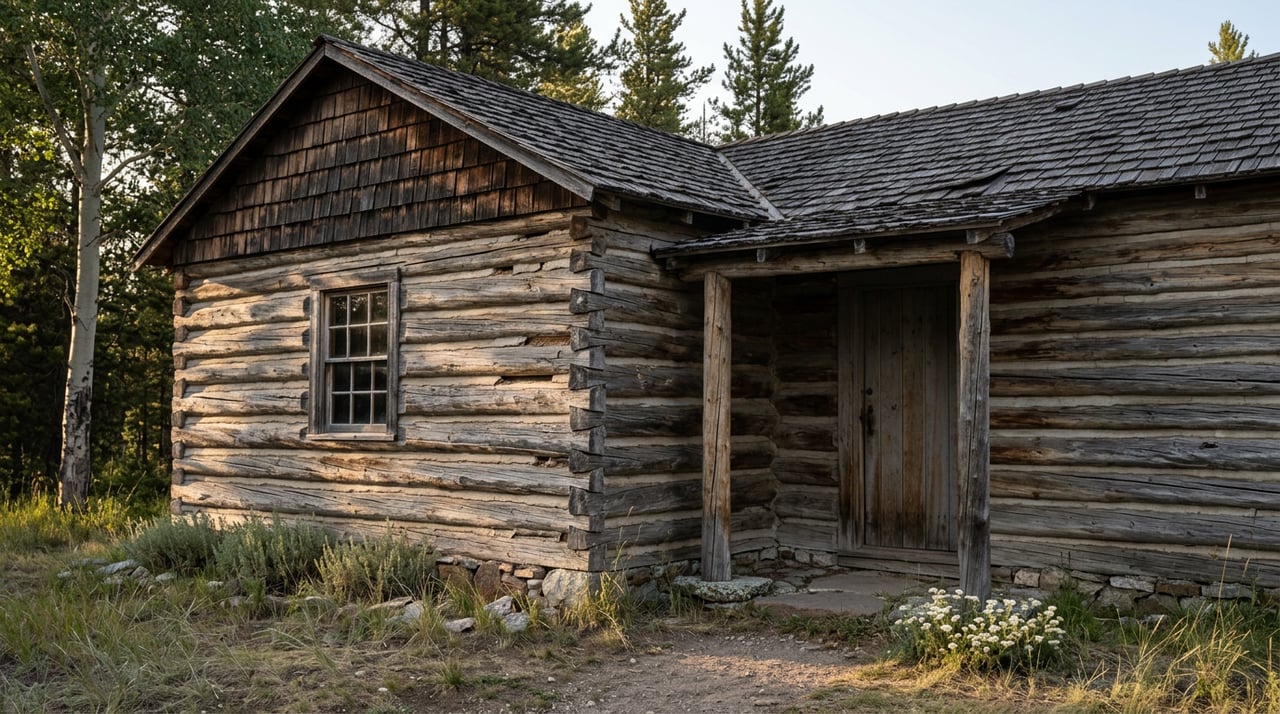
Historic homes in Ennis, Montana, carry a sense of character that simply cannot be replicated. From the hand-hewn timber frames and original hardwood floors to the wide porches built for watching the light fade at dusk, these properties tell the story of a place that has remained beautifully itself through generations of change. Owning one of these homes is a privilege, but it also comes with a particular set of questions: How do you bring in the conveniences of modern living without stripping away the soul of the structure?
This is a question that comes up often in Ennis, where the housing stock reflects the town's ranching roots and early settlement history. Many of these homes were built in the late 1800s and early 1900s, and they were built to last. The bones are often exceptional. What they sometimes lack are the systems, finishes, and layouts that contemporary homeowners expect.
The good news is that thoughtful renovation can bridge that gap, preserving what makes a historic home extraordinary while upgrading the experience of living in it day to day.
Whether you are planning a full renovation or targeting a few high-priority improvements, understanding how to approach updates in a historically significant home will save you time, money, and regret. Here is what you need to know before you pick up a hammer or call a contractor.
Key Takeaways
- Historic homes in Ennis, MT, can be modernized without sacrificing their original character when updates are planned with intention.
- Structural and mechanical systems are typically the highest priority for updates and should be addressed before cosmetic improvements.
- Materials selection matters enormously; choosing period-appropriate finishes helps modern updates feel cohesive with original details.
- Working with contractors who have experience in historic renovation can make a significant difference in both outcome and budget.
- Local preservation guidelines may apply depending on the age and designation of your property, so it pays to research requirements before beginning work.
Start With the Systems You Cannot See
The most important updates in any historic home are often the least glamorous ones. Before you invest in a kitchen remodel or a new bathroom, it is worth taking stock of what is happening inside your walls, under your floors, and above your ceilings. In homes built before the mid-20th century, the electrical, plumbing, and HVAC systems are frequently undersized, outdated, or in need of complete replacement.
Knob-and-tube wiring, for example, was standard in homes built before the 1940s and is now considered a fire risk by most insurers and inspectors. Replacing it is not an exciting line item in a renovation budget, but it is a foundational one. The same applies to galvanized steel pipes, which corrode from the inside over decades and can lead to reduced water pressure and eventual failure. Addressing these systems first means that your cosmetic renovations will not have to be undone later to accommodate infrastructure work.
In Ennis, the climate also makes heating efficiency a serious consideration. Montana’s winters are long, and many historic homes were built with minimal insulation by modern standards. Upgrading the insulation in the attic and walls, particularly using products designed for older construction, can dramatically reduce energy costs while making the home more comfortable throughout the year.
Knob-and-tube wiring, for example, was standard in homes built before the 1940s and is now considered a fire risk by most insurers and inspectors. Replacing it is not an exciting line item in a renovation budget, but it is a foundational one. The same applies to galvanized steel pipes, which corrode from the inside over decades and can lead to reduced water pressure and eventual failure. Addressing these systems first means that your cosmetic renovations will not have to be undone later to accommodate infrastructure work.
In Ennis, the climate also makes heating efficiency a serious consideration. Montana’s winters are long, and many historic homes were built with minimal insulation by modern standards. Upgrading the insulation in the attic and walls, particularly using products designed for older construction, can dramatically reduce energy costs while making the home more comfortable throughout the year.
Priority Systems to Evaluate
- The electrical panel and wiring throughout the home, particularly if original or pre-1960s, should be inspected by a licensed electrician before any other updates begin.
- Plumbing supply and drain lines deserve a professional assessment, especially in homes with original galvanized or cast iron pipes.
- The heating system, whether a historic boiler, forced air furnace, or radiant system, should be evaluated for both efficiency and remaining useful life.
- Attic and wall insulation levels should be measured against current standards, with careful attention to maintaining vapor barriers appropriate for Montana's climate.
- The roof and exterior envelope, including windows and foundation, should be inspected for water intrusion before interior updates are made.
Preserve the Details That Define the Home
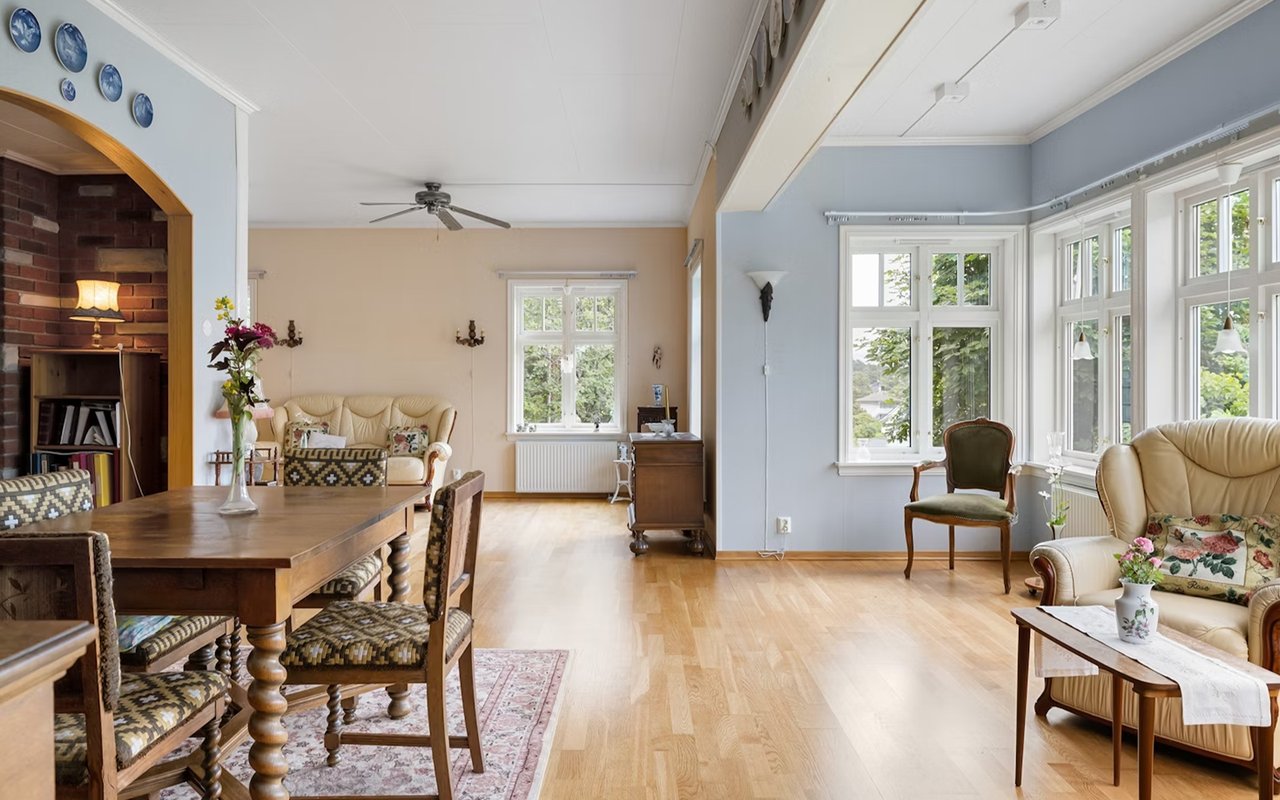
Once your systems are squared away, the approach to cosmetic and structural updates in a historic home should center on preservation first. The details that make these homes so remarkable, including original millwork, transom windows, built-in cabinetry, wide-plank floors, and decorative hardware, are often irreplaceable. Refinishing is almost always preferable to replacement, and in many cases, the original materials are of higher quality than anything available today.
Original hardwood floors, for instance, are typically made from old-growth timber that is much denser and more durable than new-growth wood. Stripping and refinishing them is not only more economical than installing new flooring; it preserves a material that simply cannot be sourced anymore.
The same logic applies to original windows. While drafty windows are a concern in a Montana winter, the answer is rarely full replacement. Interior storm windows, weatherstripping, and reglazing are often sufficient to dramatically improve performance while keeping the original character intact.
Original woodwork deserves particular care. Built-up door and window casings, baseboards, crown moldings, and wainscoting panels set the visual tone for an entire home. If sections are damaged, a skilled finish carpenter can often match the profile using custom-milled lumber. Taking the time to restore rather than replace keeps the proportions and patina that give these homes their warmth.
Original hardwood floors, for instance, are typically made from old-growth timber that is much denser and more durable than new-growth wood. Stripping and refinishing them is not only more economical than installing new flooring; it preserves a material that simply cannot be sourced anymore.
The same logic applies to original windows. While drafty windows are a concern in a Montana winter, the answer is rarely full replacement. Interior storm windows, weatherstripping, and reglazing are often sufficient to dramatically improve performance while keeping the original character intact.
Original woodwork deserves particular care. Built-up door and window casings, baseboards, crown moldings, and wainscoting panels set the visual tone for an entire home. If sections are damaged, a skilled finish carpenter can often match the profile using custom-milled lumber. Taking the time to restore rather than replace keeps the proportions and patina that give these homes their warmth.
Details Worth Restoring Rather Than Replacing
- Original hardwood floors, which can be sanded and refinished multiple times, should be evaluated before any new flooring is considered.
- Historic windows with intact glass and functional hardware can often be weatherized and made energy-efficient without full replacement.
- Decorative millwork, including original baseboards, door casings, and built-ins, should be repaired and matched rather than torn out when damaged.
- Original hardware, such as door knobs, hinges, and cabinet pulls, can be cleaned and restored; vintage replacements are also available when originals are beyond repair.
- Exposed timber framing, brick, or stone elements that are structurally sound should be cleaned and sealed rather than covered.
Bring in Modern Conveniences Thoughtfully
There is a meaningful difference between modernizing a historic home and modernizing it thoughtlessly. The most successful renovations find ways to introduce contemporary function while honoring the home's original vocabulary. This requires some creative problem-solving, but the results are worth it.
Kitchen updates are one of the most common renovation projects in historic homes, and they offer a great illustration of how to balance old and new. Replacing outdated appliances with modern, energy-efficient versions makes practical sense. Adding an island for prep space is a reasonable upgrade in a larger kitchen. But choosing upper cabinets with glass fronts, selecting hardware that reads as period-appropriate, and using quartz or soapstone countertops rather than high-gloss materials will keep the kitchen feeling consistent with the rest of the home.
Bathrooms in historic residences often present similar opportunities. Pedestal sinks, clawfoot tubs, and hex tile floors all evoke the era of the home while meeting contemporary standards for function and finish. Radiant floor heating is an excellent addition in a Montana bathroom and can be installed beneath period-appropriate tile without any visible evidence of the upgrade. The goal in every room is for the modern update to feel like it belongs, not like an afterthought.
Kitchen updates are one of the most common renovation projects in historic homes, and they offer a great illustration of how to balance old and new. Replacing outdated appliances with modern, energy-efficient versions makes practical sense. Adding an island for prep space is a reasonable upgrade in a larger kitchen. But choosing upper cabinets with glass fronts, selecting hardware that reads as period-appropriate, and using quartz or soapstone countertops rather than high-gloss materials will keep the kitchen feeling consistent with the rest of the home.
Bathrooms in historic residences often present similar opportunities. Pedestal sinks, clawfoot tubs, and hex tile floors all evoke the era of the home while meeting contemporary standards for function and finish. Radiant floor heating is an excellent addition in a Montana bathroom and can be installed beneath period-appropriate tile without any visible evidence of the upgrade. The goal in every room is for the modern update to feel like it belongs, not like an afterthought.
Modern Upgrades That Work Well in Historic Homes
- Energy-efficient appliances in period-appropriate finishes, such as matte black or brushed brass, integrate into historic kitchens without visual disruption.
- Radiant floor heating works particularly well under tile and stone and adds comfort during Ennis winters without visible hardware.
- Modern plumbing fixtures in classic profiles, including pedestal sinks, vessel sinks, and freestanding tubs, honor the character of older bathrooms.
- Mini-split heating and cooling systems can be installed with minimal structural disruption and provide zoned climate control without requiring ductwork.
- Built-in storage designed to match original millwork adds functionality while maintaining the visual language of the home.
FAQs
Is It More Expensive to Renovate a Historic Home?
It can be, particularly for work that requires custom materials, specialized detail, or structural investigation. That said, historic homes also tend to have exceptional build quality that reduces some costs. The investment often reflects itself in the long-term value and durability of the property.
What Is the Best Order of Operations for a Historic Home Renovation?
Start with structural and mechanical systems, including the roof, foundation, electrical, and plumbing. Address insulation and weatherization next. Then, move to interior cosmetic work, beginning with restoration of original details before adding new elements. This sequence protects your investment and ensures that later work is not disrupted by earlier oversights.
Are Original Windows in Historic Homes Worth Keeping?
In most cases, yes. Original windows, particularly those with intact hand-blown glass, have historic and aesthetic value that replacement windows cannot replicate. With proper weatherstripping, interior storm panels, and reglazing, original windows can perform comparably to modern replacements while preserving the character of the home.
Where History and Comfort Meet
A historic home in Ennis is more than a real estate investment; it is a piece of the region’s story. Approaching updates with care and intention means that story continues on. The homes that age most gracefully are the ones where the original details are honored, and the modern additions are chosen with the same thoughtfulness that went into the original construction.
If you are considering a historic property in Ennis or currently planning updates to one you already own, I would love to help you think through the process. I am here to support every step of your journey in this remarkable corner of Montana. Reach out to me, Dawn Myrvik, when you are ready to get started.
If you are considering a historic property in Ennis or currently planning updates to one you already own, I would love to help you think through the process. I am here to support every step of your journey in this remarkable corner of Montana. Reach out to me, Dawn Myrvik, when you are ready to get started.