If you picture Montana living as open land, working ranches, and days shaped by the river and the weather, Ruby Valley may be exactly what you have in mind. This part of Madison County offers a quieter, more rural pace, but it still has the local services and community traditions that help day-to-day life feel grounded. If you are thinking about moving here, buying land, or simply learning what the area is really like, this guide will walk you through what makes Ruby Valley distinct. Let’s dive in.
Where Ruby Valley Is
Ruby Valley sits in Madison County in southwest Montana, with Sheridan and Twin Bridges serving as the main local hubs. ZIP code 59749 is the Sheridan ZIP code, and Sheridan is located near the Ruby River and the Tobacco Root Mountains.
This is a large, lightly populated county. Madison County reports a population of 9,521, and about one out of three residents live within the towns, while many other residents live in outlying communities across the county.
That wide-open settlement pattern shapes how the valley feels. Instead of a dense town-centered layout, you will find a rural landscape where homes, ranches, and community services are spread out across a broad corridor.
The Landscape Defines Daily Life
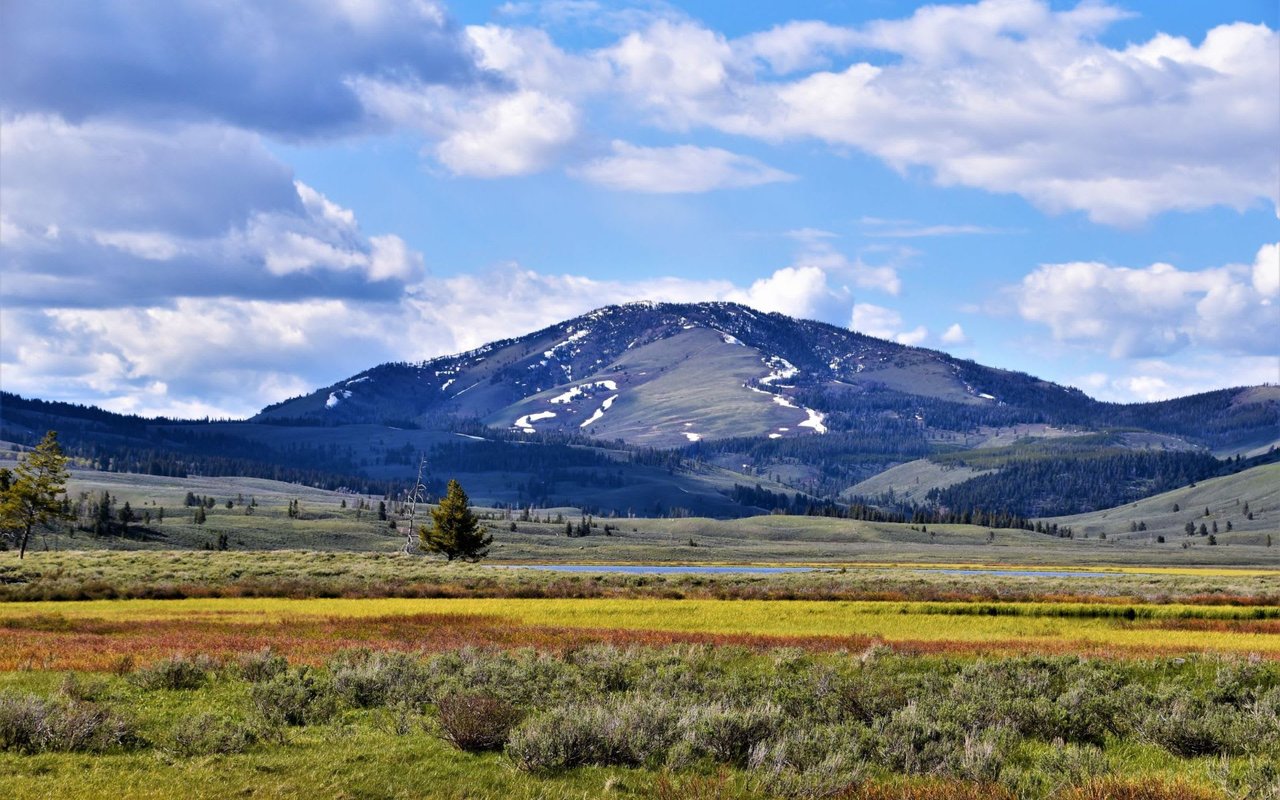
Ruby Valley is best understood as a ranch-and-river landscape. Madison County includes about 2.3 million acres, with 48% privately owned, 46% federally owned, and 6% state-owned, and the county identifies ranching and farming as major business activities.
That working-land character is not just a backdrop. It is part of daily life, from irrigated hay fields to long views across open ground and roads that connect small communities rather than neighborhoods packed close together.
County history and local records reinforce that identity. Sheridan is described as a ranch town, Twin Bridges developed as a transportation hub at the meeting point of multiple rivers, and Ruby Reservoir continues to support irrigation in the valley.
Sheridan And Twin Bridges At A Glance
Sheridan's small-town rhythm
Sheridan feels closely tied to the agricultural roots of the valley. It offers local services and community institutions while keeping that ranch-town identity front and center.
The local chamber directory lists practical amenities such as Ruby Valley Medical Clinic, the Sheridan School District, senior services, and other community organizations. For many residents, that means you can handle everyday needs locally while still living in a very rural setting.
Twin Bridges' river hub identity
Twin Bridges has a slightly different feel, shaped by water, travel routes, and recreation. Visit Montana notes that it sits where the Beaverhead, Big Hole, Ruby, and Jefferson rivers meet, and that location gives the town a strong outdoor identity.
Twin Bridges also offers a range of civic and visitor amenities, including dining and lodging, the Madison County Fairgrounds, the Twin Bridges Historical Association Museum, the Madison County Lewis and Clark Interpretive Park, and access to the Jefferson River. The Twin Bridges Public Library, first established in 1897, adds another layer of civic continuity in a very small town.
What Daily Living Looks Like
Life in Ruby Valley is not built around convenience retail or suburban density. Instead, it is built around space, local routines, and strong community touchpoints.
The Ruby Valley chamber lists medical clinics in both Sheridan and Twin Bridges, along with schools, senior centers, a fire department, a library, and community associations. Those services help support daily life in an area where residents are spread across a wide geographic footprint.
Madison County also maintains about 1,200 miles of county roads. That matters because getting around here is part of the lifestyle. You are likely to think in terms of drives between towns, ranch roads, and weather conditions rather than short trips through a compact street grid.
Schools And Community Institutions
Schools are an important part of local civic identity in both Sheridan and Twin Bridges. Sheridan Schools says the district operates on a four-day school week, and Twin Bridges School District describes itself as a place where students learn, grow, and belong.
If you are moving with school-age children, that local identity can be a useful part of your research. It helps to understand not just where the schools are, but also how they fit into the life of each town.
Community institutions extend beyond schools. The Sheridan Senior Center offers weekday meals, and the Twin Bridges Senior & Community Center serves seniors, residents, visitors, and guests, which speaks to the valley’s small-town but active support network.
Outdoor Life Is A Major Draw
For many buyers, the strongest appeal of Ruby Valley is what happens outside your front door. Fishing, hiking, horseback riding, camping, hunting, and bicycling are all part of the valley’s outdoor culture, according to the Greater Ruby Valley chamber.
Twin Bridges is especially well known for fishing. Visit Montana describes it as a fly-fishing destination, and the presence of R.L. Winston Rod Company adds to that identity.
The broader surrounding landscape expands those recreation options even more. The Beaverhead-Deerlodge National Forest, described by the Forest Service as Montana’s largest national forest at more than 3.4 million acres, includes broad valleys, alpine lakes, scenic drives, hiking opportunities, and wildlife viewing.
Rivers shape the local culture
Water is central to life here. The Ruby River drainage is managed by Montana Fish, Wildlife & Parks as an active trout fishery, and the agency notes that seasonal closures may be used at times to protect spawning fish and low-flow conditions.
That tells you something important about the local lifestyle. The river culture here is tied not only to recreation, but also to conservation, seasonal conditions, and long-term stewardship.
Nearby places to explore
Beaverhead Rock State Park near Twin Bridges is a primitive day-use site connected to Lewis and Clark history. Montana Fish, Wildlife & Parks says it is open year-round and used for hiking, photography, and wildlife viewing, though there is no winter road maintenance.
Nearby Virginia City and Nevada City also add to the area’s seasonal energy. Madison County identifies them as major visitor draws and employers, which means the social and economic life of the valley extends beyond Sheridan and Twin Bridges alone.
Seasons Matter In Ruby Valley
Madison County’s growth policy describes the area as having warm, dry summers and cold, snowy winters. If you are considering a move, that climate pattern is worth taking seriously because it shapes everything from recreation to road conditions to the pace of community life.
Summer tends to align with fishing, fairs, biking, and local events. Winter brings a quieter rhythm that is often more weather-dependent and home-centered.
For some buyers, that seasonality is part of the appeal. It creates a strong sense of place and a lifestyle that feels connected to the land instead of insulated from it.
Local Events Bring People Together
Community events play a big role in how Ruby Valley feels year to year. Sheridan Days, scheduled for July 16 to 19, 2026, includes live music, a parade, a pancake breakfast, a fun run, horseshoes, duck races, and community meals.
Twin Bridges hosts another major summer anchor with the Madison County Fair and NRA Rodeo. The event includes 4-H, FFA, open class exhibits, rodeo, a parade, and evening entertainment.
These events matter because they show how community life works in a rural valley. People gather around traditions, shared spaces, and seasonal celebrations rather than large-scale entertainment districts.
Who Ruby Valley Often Appeals To
Ruby Valley tends to resonate with buyers who want more than a house. They are often looking for land, views, recreation, privacy, or a stronger connection to Montana’s outdoor lifestyle.
Buyers looking for acreage or ranch property
Madison County has deep agricultural roots, and the USDA 2022 Census of Agriculture reports 567 farms, 925,384 acres in farms, an average farm size of 1,632 acres, and 75% of agricultural sales tied to livestock, poultry, and related products. For buyers interested in livestock, hay ground, or larger acreage, those numbers help explain why this area stands out.
The county also notes that high land values and low agricultural economics can put pressure on family ranches and year-round main street businesses, while non-traditional ranch property owners are becoming more common. In practical terms, that means Ruby Valley functions as both an active agricultural area and a lifestyle market.
Buyers seeking privacy and recreation
Some buyers are drawn to Ruby Valley for its quiet setting and scenic character. This area can make sense if you value open space, a slower pace, and easy access to fishing, riding, hiking, and other outdoor activities.
Twin Bridges also has Ruby Valley Field, a public-use airport listed by the FAA, while both Sheridan and Twin Bridges offer schools, medical clinics, lodging, and community gathering spaces. Together, those features support a lifestyle that is rural and private without feeling entirely disconnected.
Sellers with land, river, or lifestyle property
If you own property in Ruby Valley, the story of your property often goes beyond the home itself. Buyers are often looking closely at water, access, acreage, views, proximity to public land, and how the property fits into the valley’s larger ranch-and-river identity.
That is where strong local knowledge matters. Positioning a rural or river-oriented property well means understanding not just the structure, but also the land, the setting, and the kind of Montana lifestyle the property offers.
Why Ruby Valley Stands Out
Ruby Valley is not trying to be a suburb, and that is part of its appeal. It offers a landscape shaped by ranching, rivers, local tradition, and a practical small-town network anchored by Sheridan and Twin Bridges.
For the right buyer, that can mean a rare combination of working-land authenticity, outdoor access, and community continuity. For sellers, it creates a market story that is deeply tied to place and best told with care, accuracy, and local perspective.
If you are exploring Ruby Valley as a place to buy, sell, or invest in a Montana lifestyle, it helps to work with someone who understands how these rural markets really function. To start the conversation, connect with Dawn Myrvik.
FAQs
What is Ruby Valley in Madison County, Montana?
- Ruby Valley is a rural area in southwest Montana anchored by Sheridan and Twin Bridges, known for its ranching heritage, river access, and open landscape.
What is daily life like in Ruby Valley, Montana?
- Daily life in Ruby Valley is shaped by space, driving between small hubs, local schools and clinics, community organizations, and a slower pace tied to weather and seasons.
What outdoor activities are popular in Ruby Valley?
- Popular outdoor activities in Ruby Valley include fly fishing, hiking, horseback riding, camping, hunting, bicycling, photography, and wildlife viewing.
What towns serve Ruby Valley residents?
- Sheridan and Twin Bridges serve as the main local hubs for Ruby Valley residents, with services, schools, medical clinics, community spaces, and seasonal events.
Is Ruby Valley a good fit for acreage or ranch buyers?
- Ruby Valley can be a strong fit for acreage or ranch buyers because Madison County has a large agricultural land base, a long ranching history, and a market that includes both working lands and lifestyle properties.
What should sellers highlight about a Ruby Valley property?
- Sellers should focus on features such as water, access, acreage, views, land use, nearby recreation, and the property’s connection to the valley’s ranch-and-river lifestyle.