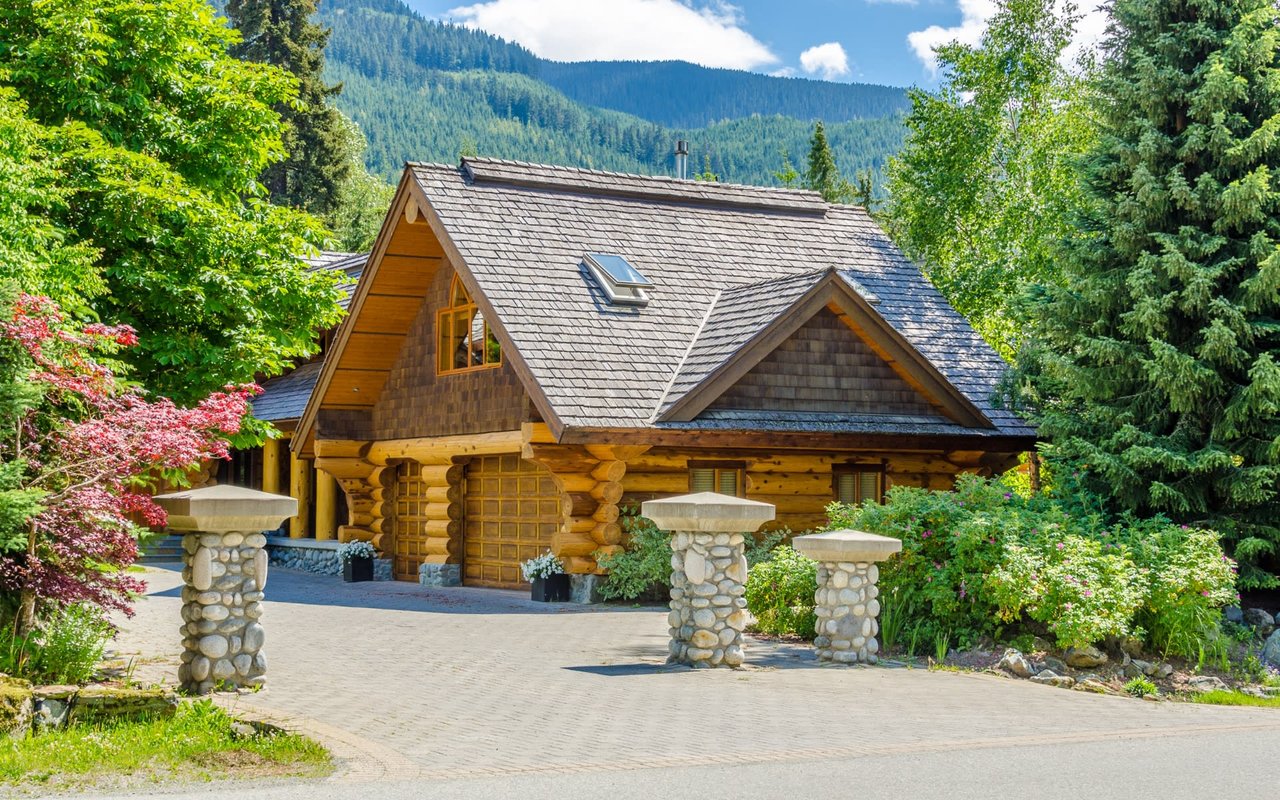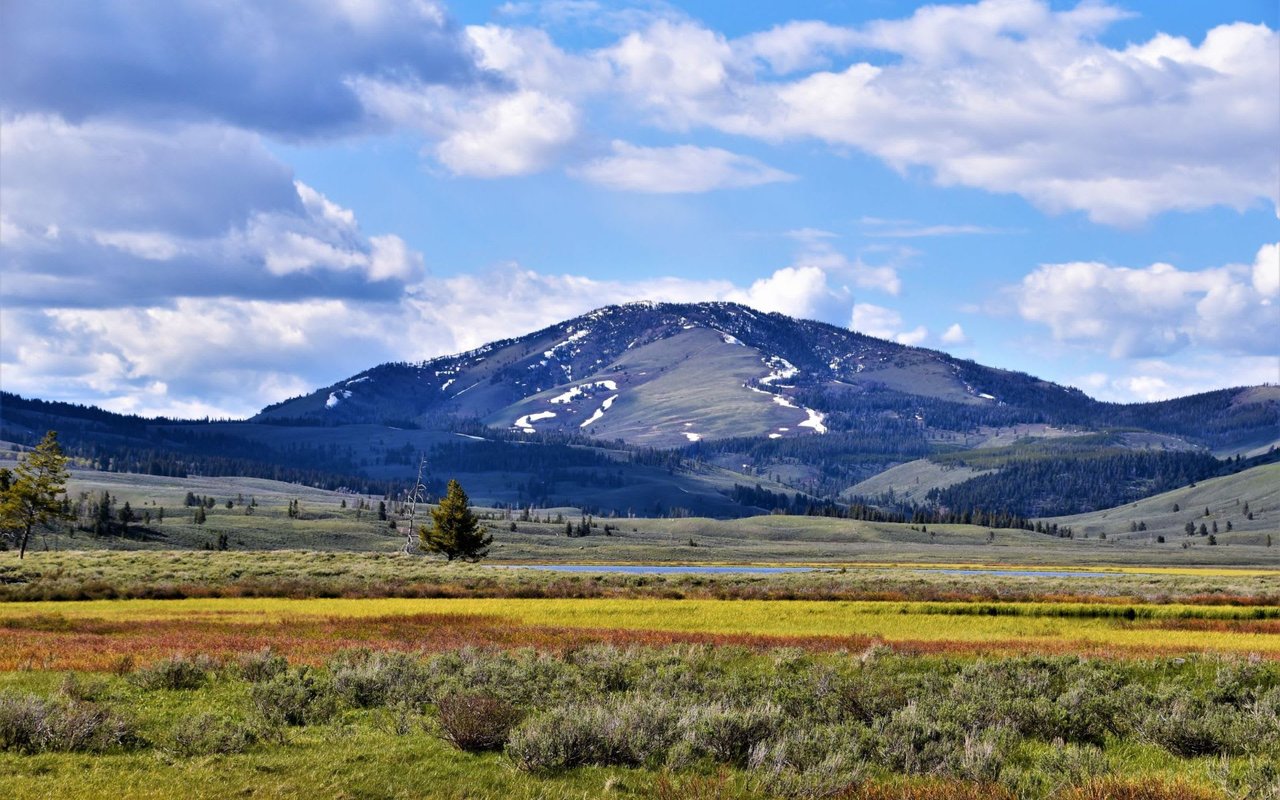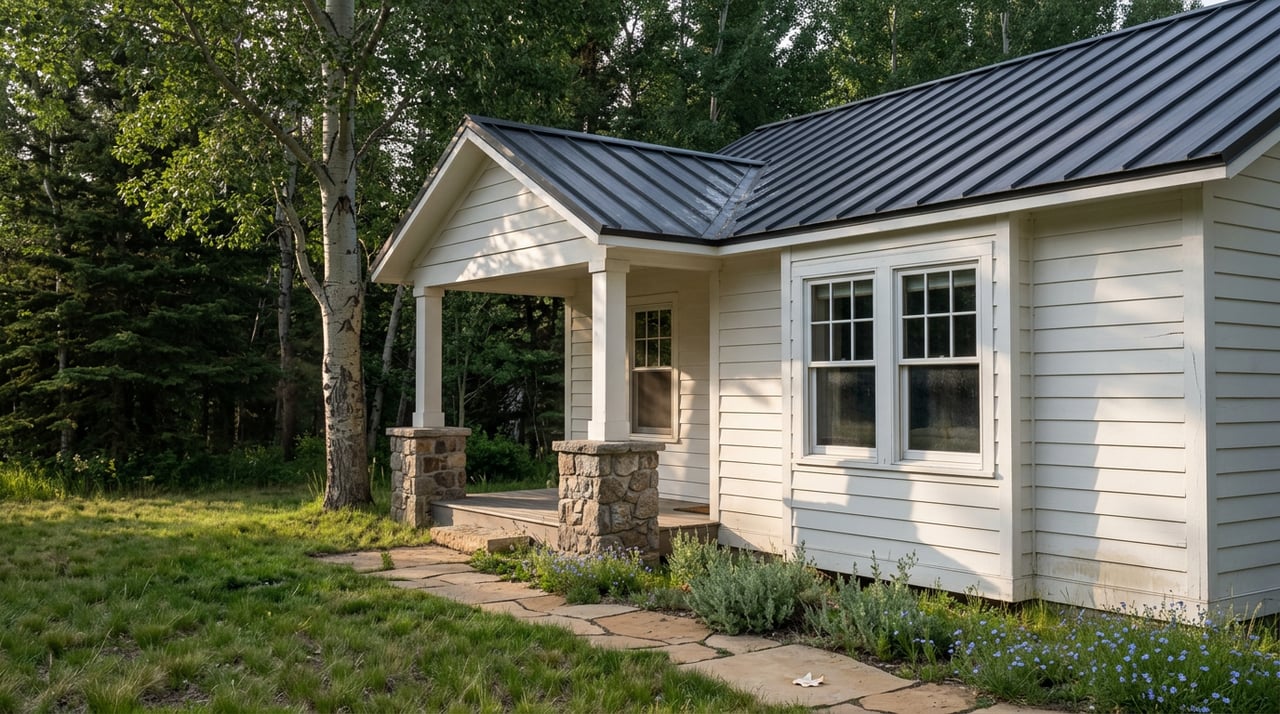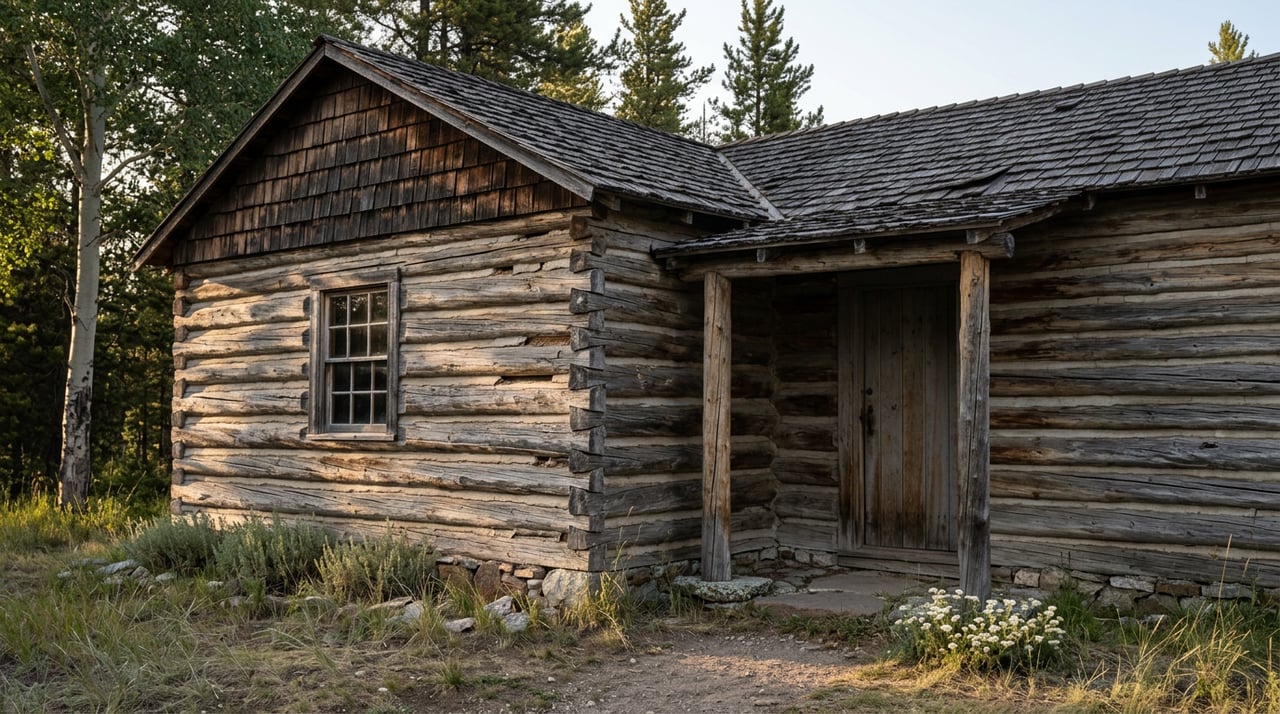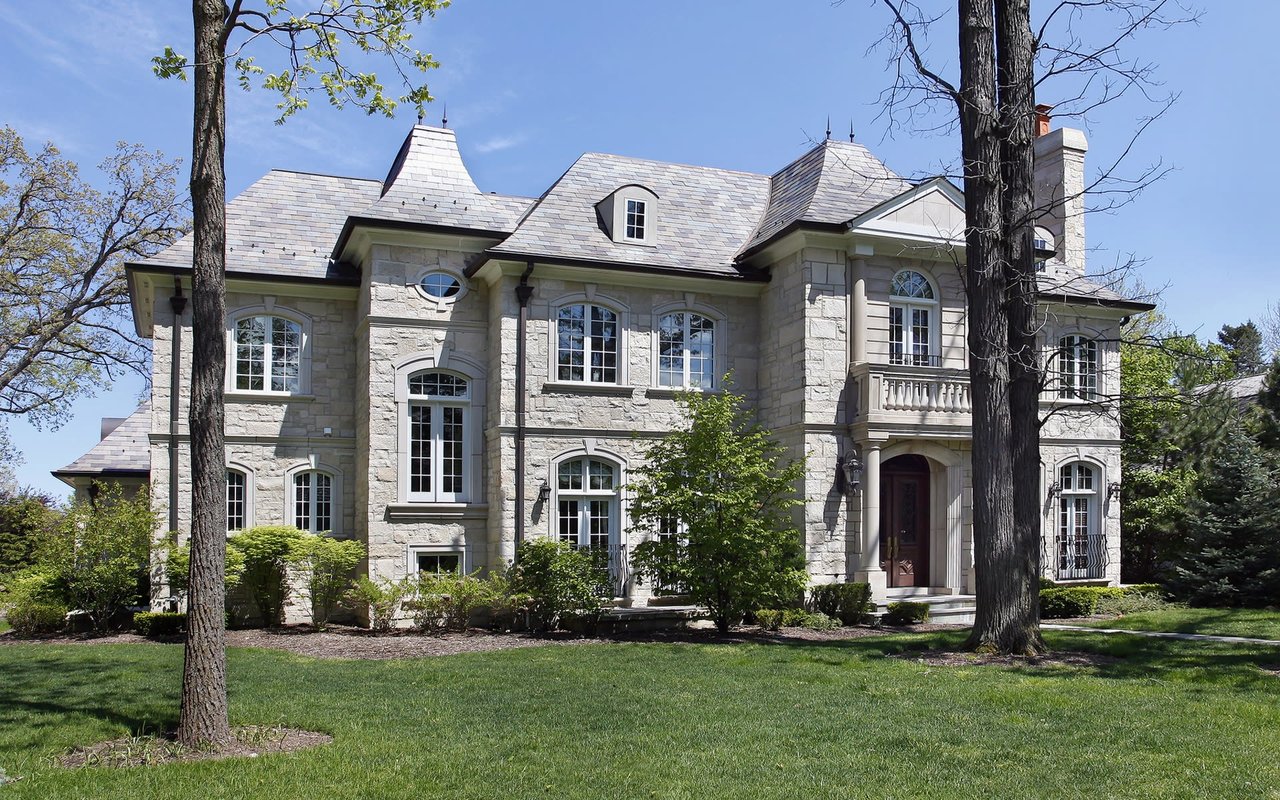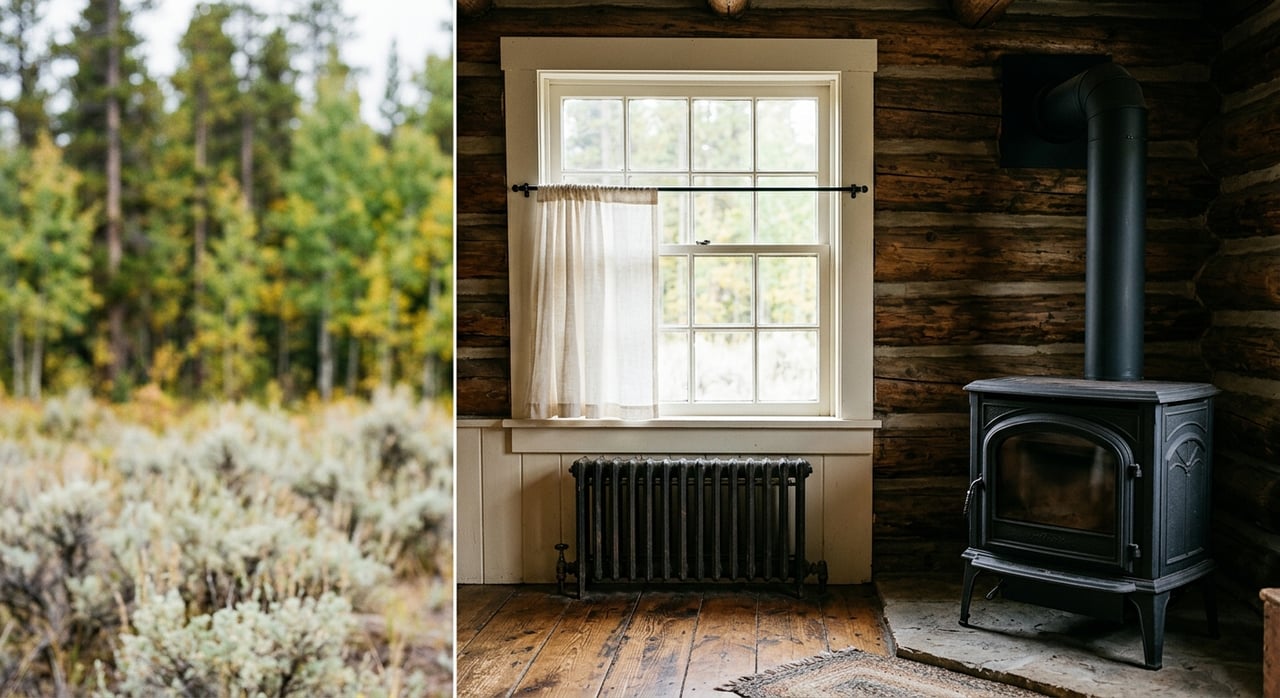
Dreaming about a historic home or cabin in Virginia City, Montana? It is easy to see the appeal. This is a place where old boardwalks, preserved buildings, and mountain-town character create a setting that feels very different from a newer neighborhood. If you are considering buying here, it helps to understand what daily ownership really looks like, from preservation review to seasonal rhythms and winter upkeep. Let’s dive in.
Why Virginia City feels unique
Virginia City is not just an old town with charm. It is Montana’s oldest incorporated community, the county seat of Madison County, and the center of a National Historic Landmark setting. That gives the town a strong sense of place, with much of its identity tied to history, preservation, and tourism.
The town is also small. Virginia City’s growth policy describes a community of about 219 people, which means ownership here often feels more personal and place-based than in a larger market. If you are drawn to authenticity, walkability, and a home with a story, that can be a big part of the appeal.
Historic status does not mean you cannot own privately
A common question is whether historic designation limits private ownership. In Virginia City, the answer is more nuanced than many buyers expect. National Historic Landmark status does not automatically require you to open your property to the public or follow federal preservation guidance unless federal funding, licensing, or permits are involved.
That said, state and local rules can still apply. In practice, historic status here should be viewed as a preservation overlay, not a ban on ownership or change. The key is understanding the review process before you make renovation plans.
What ownership looks like day to day
Virginia City is open year-round, but its rhythm changes with the seasons. The local economy follows a strong summer visitor cycle, with the busiest stretch generally running from Memorial Day to Labor Day. During that time, events, shops, restaurants, and tourism activity bring more energy and traffic to town.
For many buyers, that is part of the draw. You get a setting that feels lively in summer and quieter in the off-season. If you are looking for a second home, seasonal cabin, or historic getaway, that pattern may fit your lifestyle well.
Summer is the busiest season
The town’s growth policy and tourism information both point to summer as the heart of Virginia City activity. Recurring events and visitor programming are central to local life, and resort-tax revenue helps support infrastructure in a community with a small year-round resident base.
This matters because your experience as an owner may feel different in July than in January. If you plan to use the property seasonally, ask yourself whether you want to be part of the summer bustle, the quieter winter months, or both.
Winter brings real maintenance needs
Historic homes and cabins can be rewarding, but they are rarely low-maintenance in a snowy climate. Virginia City’s growth policy reports about 79 inches of annual snowfall, with December averaging a minimum of 24 degrees Fahrenheit. Those conditions make winterization, freeze protection, and snow-related wear important parts of ownership.
Road conditions also matter. The same growth policy notes that most town streets are not paved and can be affected by snowmelt, traffic, and potholes. Before you buy, it is smart to think through access, snow removal, and how the property handles winter weather.
Historic review and local permitting
If you plan to update a historic home or cabin, due diligence matters as much as design vision. Virginia City has four zoning districts based on historic-preservation guidelines. The town says new development, improvements, and proposed uses are reviewed by the Historic Preservation Advisory Council and or the Town Planning and Zoning Board before final Town Council approval.
That means projects often move at a more deliberate pace than they would in a newer subdivision. Exterior changes, additions, utility work, and some use changes may require review before construction begins. For buyers who appreciate craftsmanship and preservation, that process can help protect the town’s character. It also means planning ahead.
Start with local review
The Town of Virginia City maintains several permit pathways, including applications for:
- Development permits
- Site and zoning permits
- Conditional use permits
- Encroachment permits
- Excavation permits
- Sign permits
- Sewer and water service requests
- Septic variance requests
- Street or alley vacation requests
If you are buying with renovation in mind, it is wise to confirm early which local approvals may apply to your project.
County and state rules may also apply
Madison County says owners should check whether a construction or demolition permit is required before work begins. The county also requires permits for all septic or wastewater systems installed in Madison County, and those systems must be installed by a Madison County licensed installer.
At the state level, Montana’s Building Codes Program says areas not served by a certified local government building-code jurisdiction fall under the State Building Codes Bureau. The owner is responsible for obtaining the building permit, and separate electrical, plumbing, and mechanical permits may be required. In some cases, the building official may also request a licensed engineer or architect if the design is complicated.
Specialized work is often part of the process
Historic preservation in Alder Gulch can be challenging because era-appropriate materials are often harder to source, and some period-correct methods are not always the most durable long term. The Montana Heritage Commission works with stone, brick, log, and wood-frame buildings, which is a good reminder that historic work usually calls for tradespeople with specific experience.
If you are picturing a simple cosmetic remodel, a historic property may be more involved than that. Buyers are often best served by lining up the right professionals early, especially when structural, exterior, or utility work is part of the plan.
Water, utilities, and practical questions
Historic charm is only part of the buying decision. You also want to know how the property functions in real life. One of the most important practical questions in Virginia City is utility reliability, especially water.
The town’s growth policy says water supply has long been a priority and that Virginia City relies on a spring-based source water system. It also notes that peak demand is not met if the largest spring is out of service and that the system does not meet DEQ requirements under that condition. For buyers, this makes water source, pressure, storage, and seasonal planning especially important topics to verify before closing.
Ask direct questions before you buy
When evaluating a historic home or cabin, consider asking about:
- Water source and service reliability
- Winterization and freeze protection
- Seasonal shutoff plans, if any
- Sewer, septic, or wastewater setup
- Access during snow season
- Past repair history on roofs, foundations, and exterior materials
- Whether previous improvements went through local review and permitting
These questions can help you understand not just the property’s charm, but also the level of stewardship it may need.
Is a Virginia City historic property right for you?
A historic home or cabin in Virginia City is usually a lifestyle decision as much as a real estate one. The town’s appeal comes from authenticity, preserved character, and a seasonal energy that feels distinct from more conventional markets. For the right buyer, that can be incredibly rewarding.
It is often best suited to someone who values place over perfection and is comfortable with a slower, more thoughtful ownership experience. You may need patience with review timelines, extra care with maintenance, and a realistic plan for weather, utilities, and specialized repairs. In return, you get a property rooted in one of Montana’s most historically significant settings.
If you are considering buying in Virginia City or anywhere in the Madison Valley, working with someone who understands rural properties, second homes, and the local landscape can make the process much smoother. To start your Montana lifestyle search, connect with Dawn Myrvik.
FAQs
What makes owning a historic home in Virginia City different from owning a newer home?
- Virginia City properties often come with preservation review, seasonal visitor activity, winter maintenance needs, and more specialized repair considerations than a typical newer home.
Does National Historic Landmark status in Virginia City stop private owners from making changes?
- No. Landmark status alone does not automatically prevent private changes, but state and local rules may still apply, so buyers should confirm review and permit requirements before starting work.
What permits might apply to a Virginia City cabin or historic home project?
- Depending on the project, you may need local development, zoning, excavation, sewer or water, septic, or related approvals, and some projects may also require county or state permits.
Is Virginia City a good fit for year-round living or seasonal use?
- It can work for either, but the town has a strong summer visitor season and real winter conditions, so your best fit depends on how you plan to use the property and manage maintenance.
What utility issue should buyers pay closest attention to in Virginia City?
- Water service is an important due diligence item because the town relies on a spring-based source system, so buyers should verify water source, reliability, pressure, storage, and seasonal planning before closing.