"Can I actually replace that roof?"
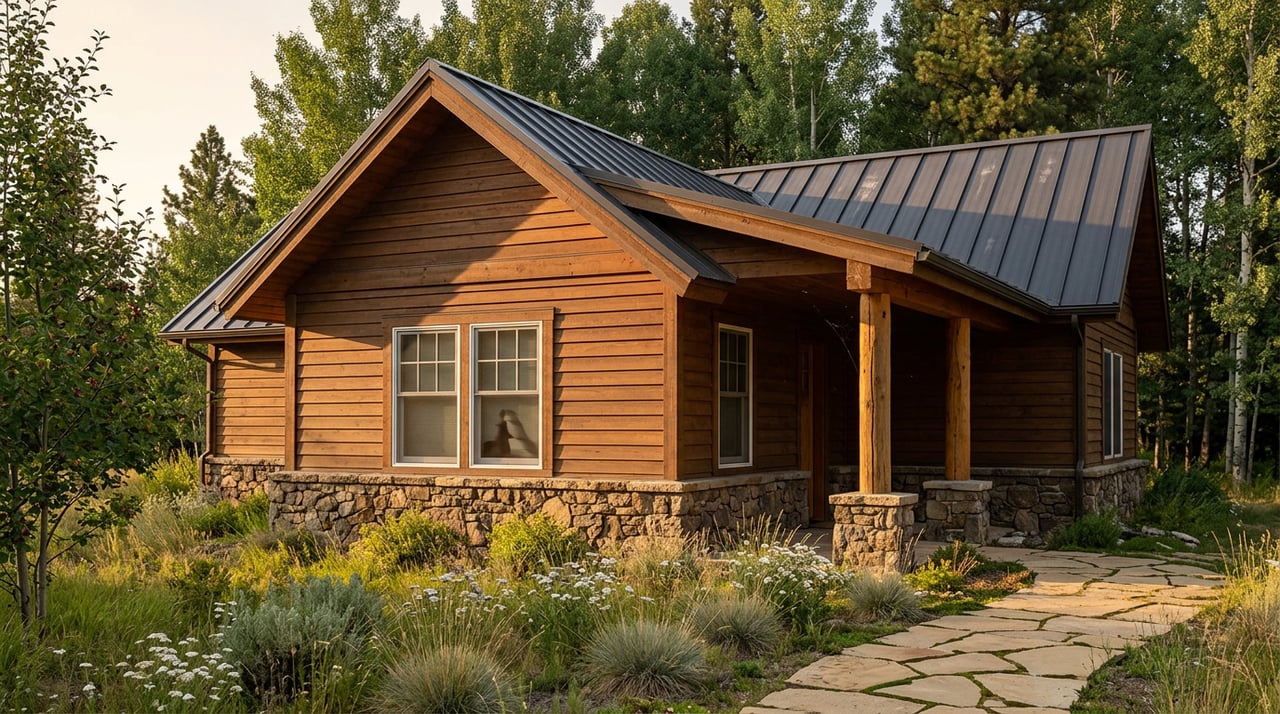
It's the question that comes up almost every time a buyer walks a listing inside Pony's National Register Historic District for the first time. The town's 192-acre district and its 95 contributing buildings are the reason most people find Pony in the first place, tucked against the Tobacco Root Mountains in northeastern Madison County. The word "historic" carries a lot of weight on a listing sheet, and it leads buyers to a reasonable but wrong conclusion: if the federal government cared enough to list a building, the federal government must also control what happens to it now.
That assumption is backward, and understanding why matters more to a Pony transaction than almost anything printed in the seller disclosure.
What The Designation Actually Controls
National Register listing is an honor roll, not a permit system. Federal preservation offices across the country say the same thing in nearly identical language: listing places no restriction on a private owner using private money to remodel, add on, repaint, or even demolish. The rule only activates when federal funding, a federal license, or a federal tax credit touches the project. No federal dollars, no federal say.
That distinction usually gets layered with a second one, and this is where most historic-district fear actually comes from: local ordinances. Plenty of towns pair a National Register listing with a city landmark commission that reviews window replacements, roof materials, and paint colors. Pony can't do that, because Pony isn't a town in the legal sense. It's an unincorporated community, and Madison County does not administer countywide zoning. There's no landmark commission reviewing a contributing building in Pony because there's no zoning authority to create one. The buildings that make the district worth photographing are looked after voluntarily, by the Pony Homecoming Club, a nonprofit that maintains public spaces rather than a government body that issues certificates of appropriateness.
Here's what that stack actually looks like for a buyer standing on the porch of a contributing building:
| Regulatory layer | Applies in Pony? | What would trigger it |
|---|---|---|
| National Register listing itself | No restriction on private funds | Only federal grants, licenses, or tax credits |
| Local historic ordinance | Does not exist | Would require an incorporated municipality or county zoning district |
| State design review | No | Only if state preservation funds are accepted |
A buyer touring that same listing in an incorporated Montana town with a local preservation ordinance would face a genuinely different process. In Pony, the historic designation is a story to tell future guests, not a compliance obligation.
Where The Friction Actually Shows Up
If the paperwork everyone worries about isn't the obstacle, something else has to be, because Pony transactions do move slower and require more homework than a comparable sale in a subdivision outside Bozeman. That obstacle shows up two closings after the historic district conversation ends: underwriting.
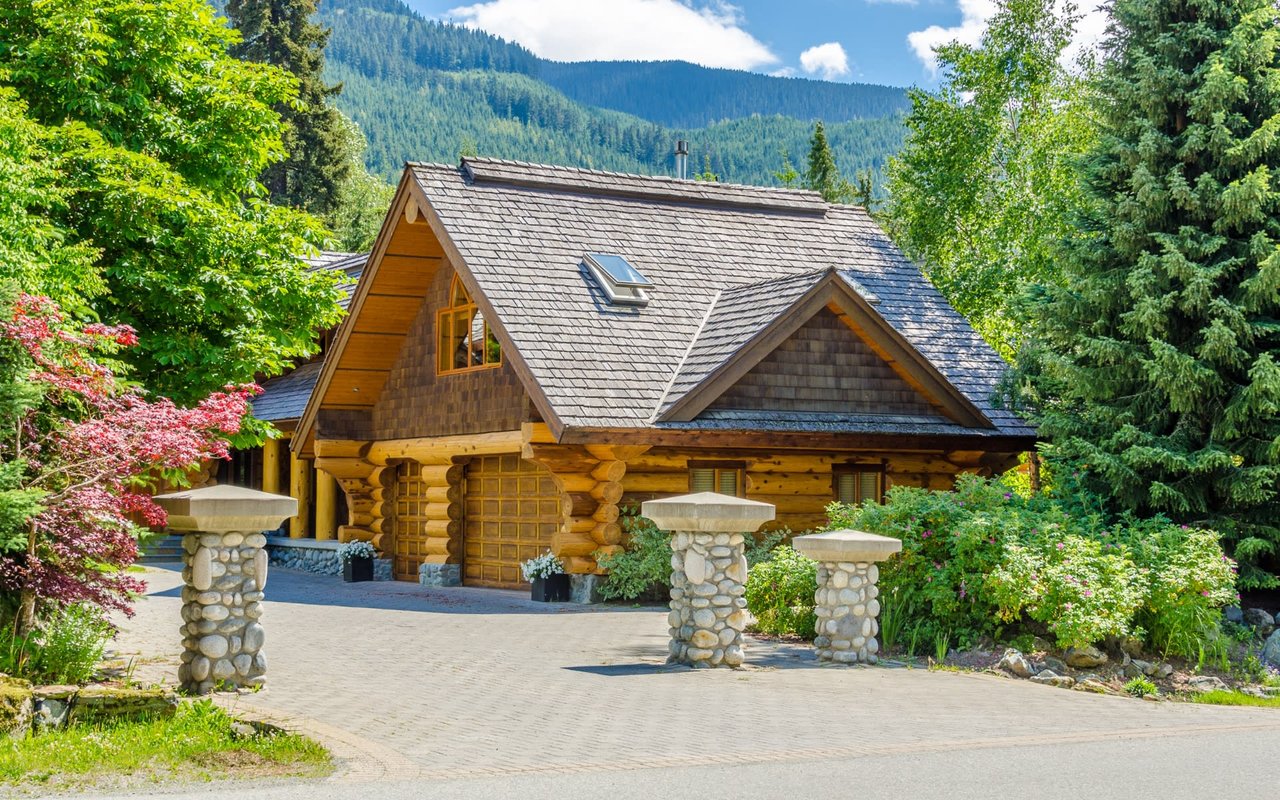
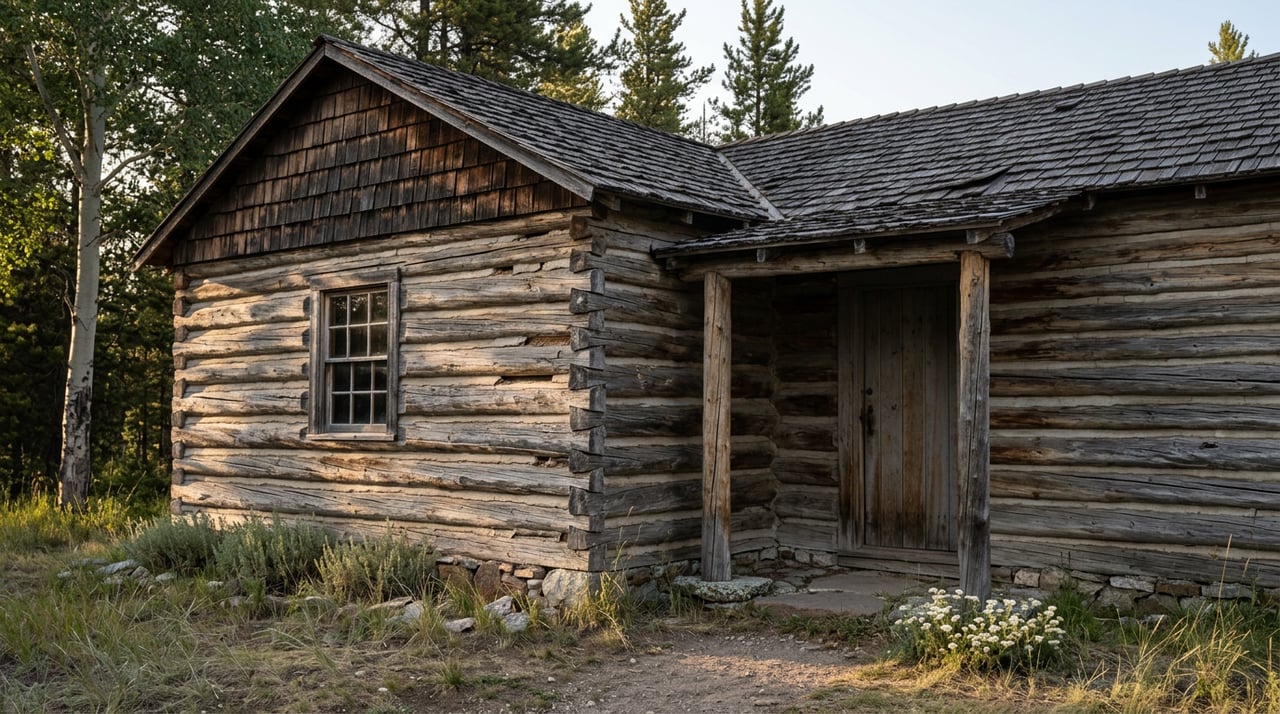
Log and timber construction gets classified by mortgage guidelines as a unique property type, and Fannie Mae's own guidance to appraisers acknowledges the problem directly. Appraisers are supposed to compare a log home to other custom homes in the area, not to other log homes specifically, and when local comps run thin they're permitted to widen the search radius or look across county lines. In a market as small as Pony's, where inventory is limited and hand-hewn or milled log construction from the 1870s through the early 1900s sits next to newer custom builds, that widening isn't a formality. It's the whole appraisal.
Lenders in the log-home space put a number on how often this goes wrong: appraisals on log and timber homes come in low as much as half the time when the appraiser isn't familiar with the construction type, because the standard playbook (comps within one to five miles, sold in the last 90 days, same square footage and age) almost never exists for a property like this. When the appraisal comes in short, the buyer either brings more cash to closing or the deal renegotiates from a weaker position.
Off-grid systems compound the same problem. Wells, septic, and solar are common enough on Pony properties that they barely register as a conversation starter locally, but a lender working the file for the first time treats each one as a separate underwriting question: is the water source reliable year-round, is the septic system documented, does the electrical setup meet minimum property standards. None of these questions are unanswerable. They just take longer, and they take a specific kind of longer if the loan officer hasn't handled a rural Montana file before.
The historic plaque tells a buyer what the house used to be. The appraisal and the insurance quote tell them what it costs to own it now.
The Insurance Layer Nobody Mentions At The Open House
Montana's homeowner insurance market has moved fast in the last two years, and it moved in a direction that lands squarely on Pony's housing stock. The average annual premium in the state reached $3,819 in 2024, a 22.1 percent jump from the year before, and Montana still has no state-backed Fair Access to Insurance Requirements plan to fall back on if a standard carrier declines the risk. That absence matters more in a place like Pony than in a subdivision, because the properties most likely to get flagged by an underwriter are exactly the properties that define the town: wood stoves, log construction, and distance from a staffed fire department.
None of those three features are disqualifying. Log and timber homes are broadly insurable through carriers that specialize in the construction type, and a wood stove doesn't sink a policy on its own. What changes is the premium and the paperwork. Underwriters weigh proximity to a fire hydrant, distance to the nearest fire station, and whether that station is staffed by career firefighters or volunteers, all of which push in one direction for a property well outside town limits. A buyer who shops one general carrier and gets a decline shouldn't read that as a signal the house is uninsurable. It's usually a signal that the agent hasn't placed a log home before.
What This Actually Means Before You Write An Offer
The historic district conversation and the underwriting conversation get tangled together in a buyer's head, and separating them changes how a Pony purchase should actually be prepared:
- Confirm with the seller whether any federal or state preservation funds were ever used on the property. If the answer is no, the National Register listing has no bearing on your renovation plans.
- Ask your lender directly whether they've closed log or timber home files before, and whether the loan will be sold to Fannie Mae or held in portfolio. Portfolio lenders have more flexibility on comps.
- Get well, septic, and any solar or off-grid electrical documentation organized before the appraisal, not after. A lender's minimum property requirements move faster when the paperwork already exists.
- Call more than one insurance agent, and specifically ask whether they place log and timber construction. General carriers decline more of these than specialty carriers do.
- Budget appraisal and underwriting timeline as the longer pole in the tent, not the historic designation. That's where a Pony closing actually slows down.
A Few Quick Answers
Does the historic district status affect resale value? The designation itself doesn't restrict a future sale any more than it restricts current ownership. What affects resale in Pony is the same thing that affects the purchase: how the next buyer's lender and insurer treat the construction type.
Will I need a permit from a preservation office to renovate? Not from the National Register program, and not from a local landmark commission, because Pony doesn't have one. Standard building permits through the county's process still apply to construction work regardless of the historic designation.
Are there tax benefits tied to owning a contributing building? Federal rehabilitation tax credits exist for historic properties, but they generally apply to income-producing property, not an owner-occupied home. Anyone considering that route should talk to a tax professional before assuming eligibility.
Pony rewards a buyer who does the underwriting homework early and stops treating the historic district plaque as the hard part. It isn't. If you're looking at a listing in Pony or anywhere else in the Madison Valley and want a read on what a specific property's construction and setup will mean for financing and insurance before you write an offer, Dawn Myrvik has spent two decades placing these deals and knows which lenders and carriers actually show up for rural Montana files.