By Dawn Myrvik
Surrounded by the Madison Valley and some of the most dramatic high-country scenery in the American West, the homes in Ennis, MT, carry a particular weight. They are not just places to sleep; they are expressions of how you relate to the land around you. That relationship deserves a design approach that holds up for decades, not just until the next trend cycle rolls through.
Timeless design does not mean boring or bland. It means making deliberate choices about materials, proportion, and color palette that will feel just as considered and intentional in twenty years as they do today. In a real estate market like Ennis, where the natural environment is so visually commanding, a home that leans into enduring principles rather than fleeting trends tends to look and feel the most at home.
Whether you are starting from the ground up, planning a renovation, or simply refreshing the interior of an existing property before you sell, the following design principles offer a reliable foundation. These are the choices that stand behind everything from classic Western ranch homes to updated mountain retreats.
Key Takeaways
- Natural materials like stone, timber, and aged metal age gracefully and complement Ennis' mountain landscape.
- A restrained, nature-inspired color palette creates interiors that feel cohesive and enduring rather than trend-dependent.
- Proportion and scale matter as much as finish choices, particularly in open-concept mountain homes.
- Functional spaces that serve how you actually live in Montana will always outperform spaces designed for appearances alone.
- Layered lighting and quality textiles elevate a room without requiring frequent updates.
Lead With Natural Materials
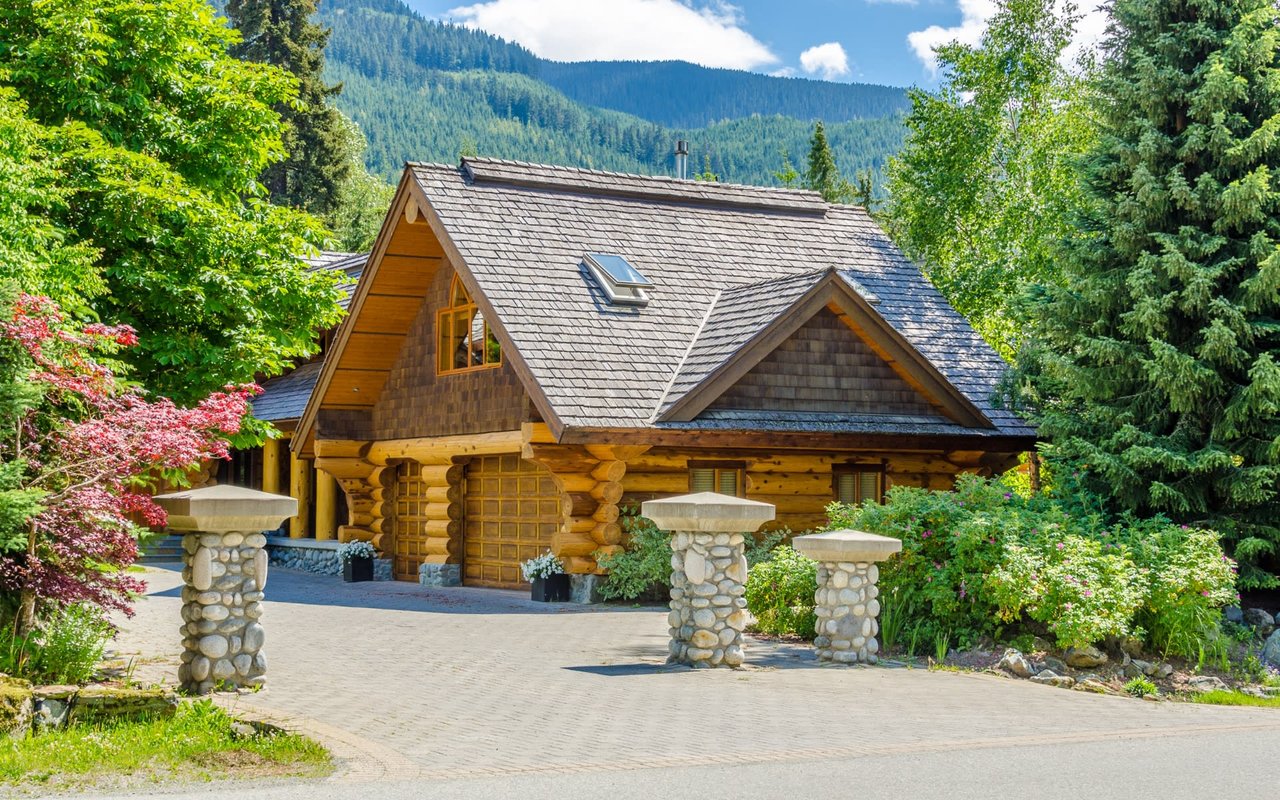
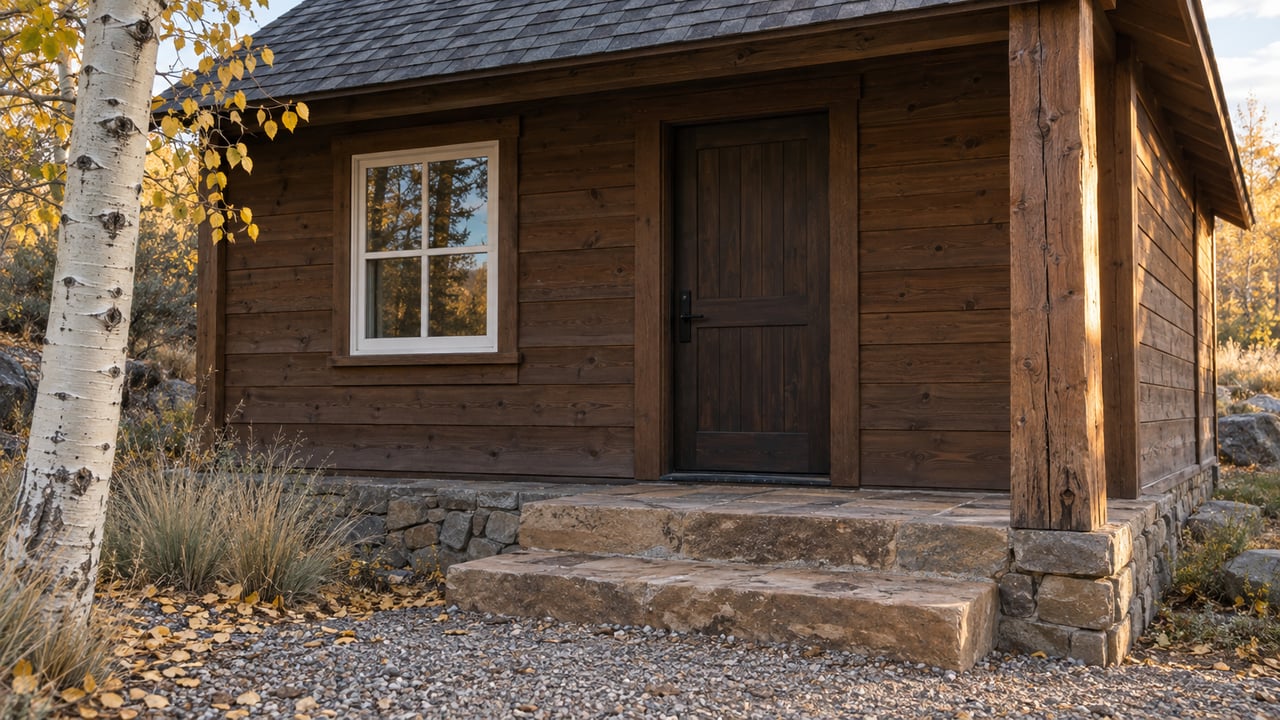
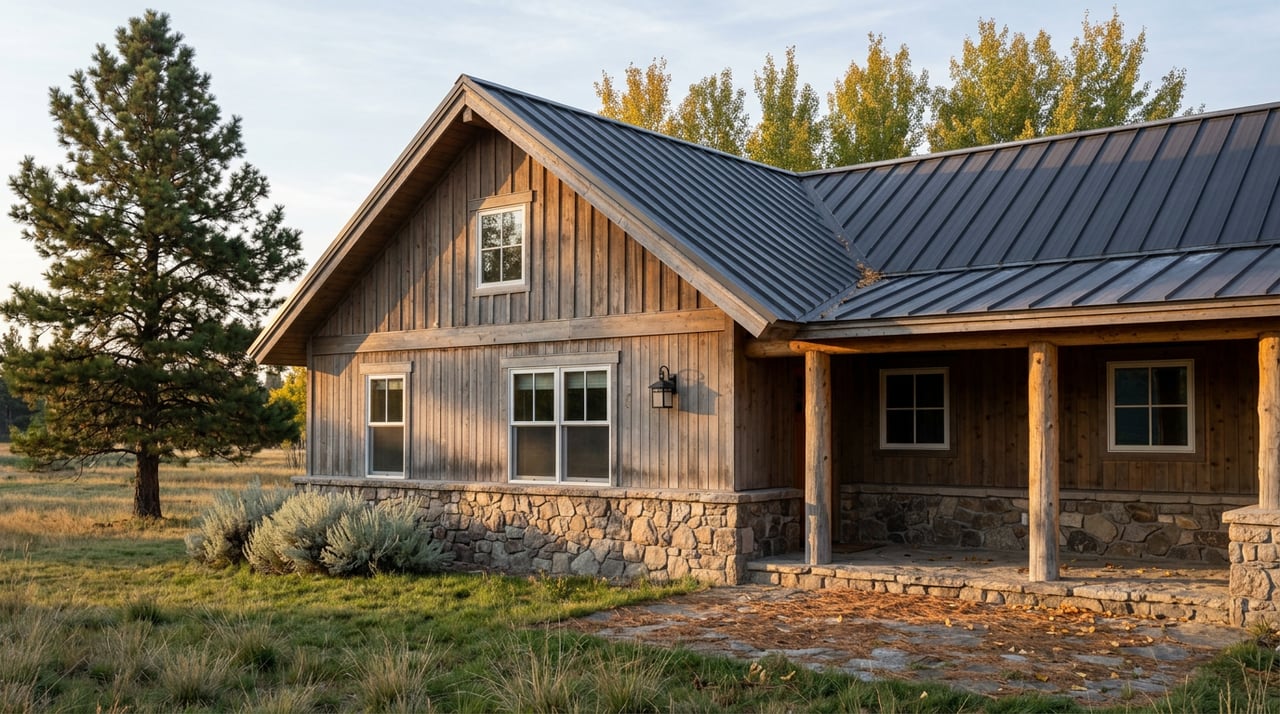
Few design decisions age better than choosing natural materials over synthetic alternatives. In the context of Ennis and the broader Madison Valley market, materials like reclaimed timber, local stone, and hand-forged iron do not just look great; they belong. They echo the landscape directly outside your windows and develop a patina over time that manufactured products simply cannot replicate.
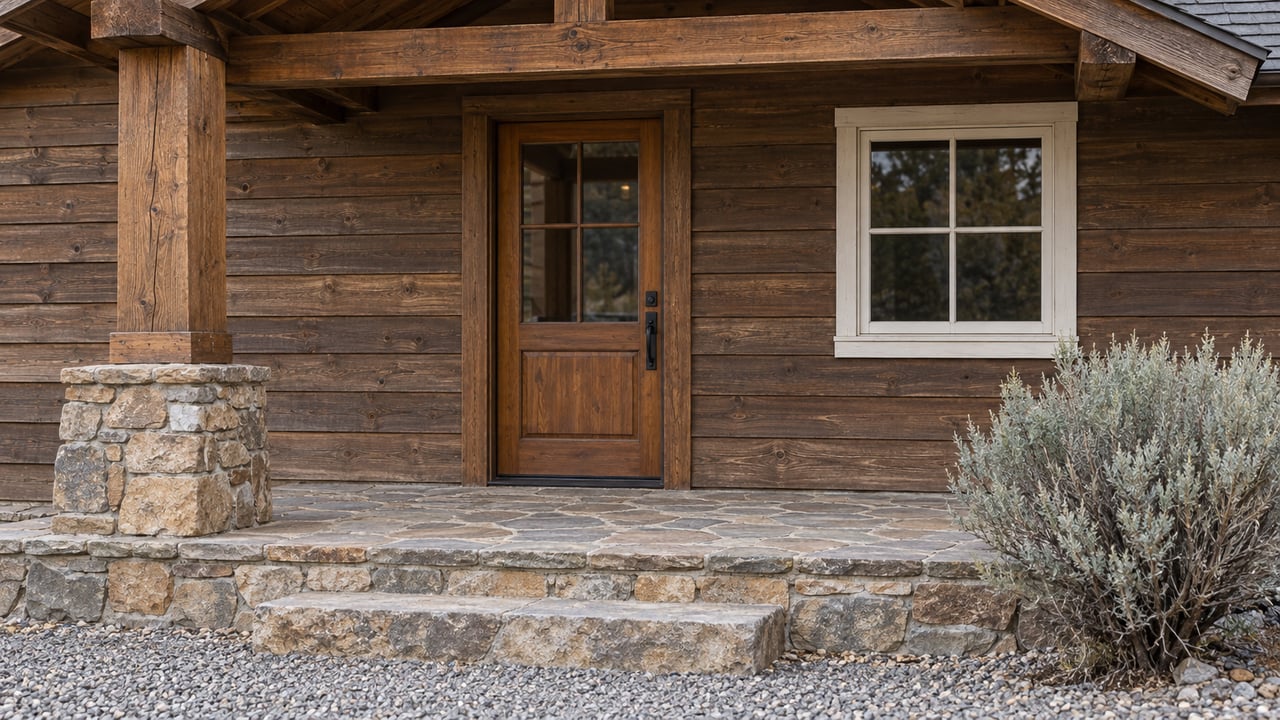
Reclaimed wood is an especially smart choice in Montana homes. Whether you use it for exposed ceiling beams, wide-plank flooring, or a kitchen island, reclaimed timber carries visual warmth and texture that makes a room feel grounded. It also tells a story. From the checking and the nail holes to the color variation across planks, all of it contributes to a depth that newly milled lumber does not have. Over time, the wood continues to season and evolve in ways that only make it more beautiful.
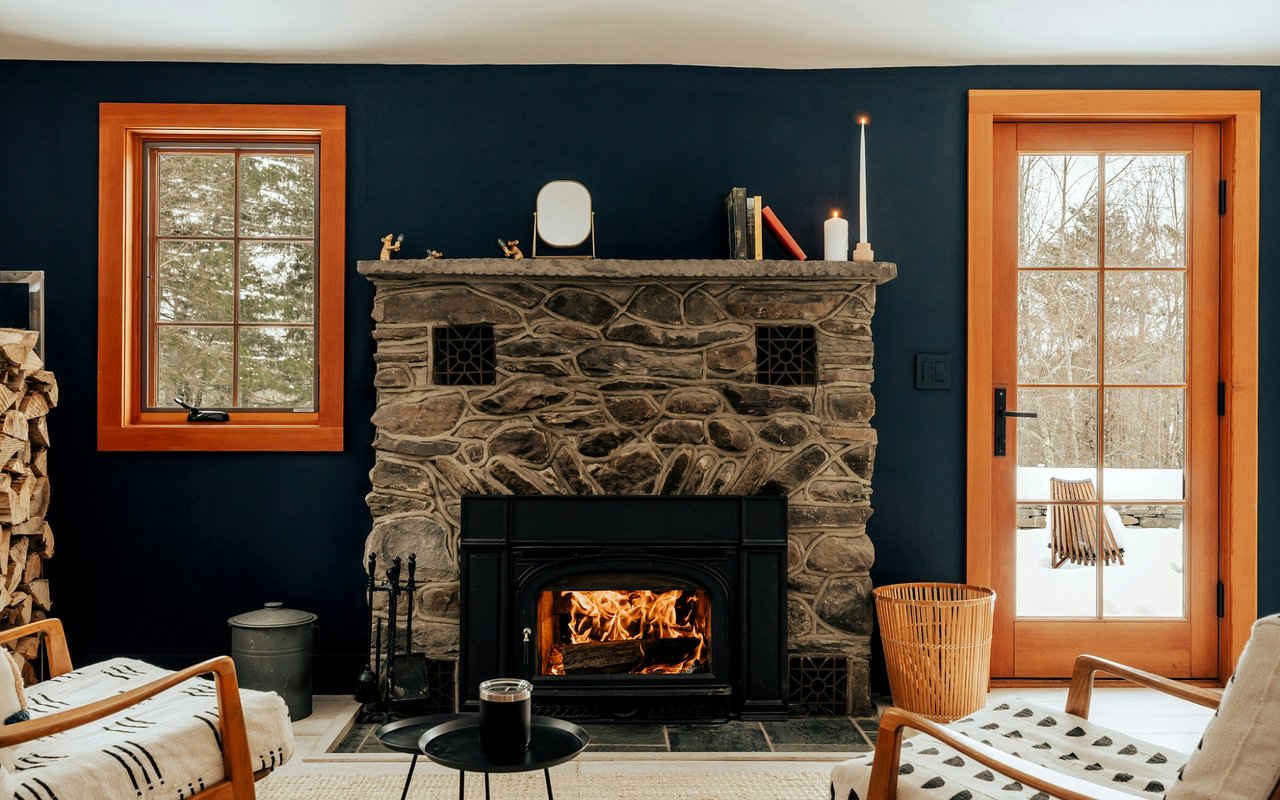
Stone and metal round out the material palette in enduring ways. A river rock fireplace surround references the landscape in the most literal sense, while a steel-framed window or a hand-hammered copper fixture adds an element of craft that reads as elevated. The key is consistency; mixing too many competing materials creates visual noise, while a committed palette of two or three natural materials creates harmony.
Reclaimed wood is an especially smart choice in Montana homes. Whether you use it for exposed ceiling beams, wide-plank flooring, or a kitchen island, reclaimed timber carries visual warmth and texture that makes a room feel grounded. It also tells a story. From the checking and the nail holes to the color variation across planks, all of it contributes to a depth that newly milled lumber does not have. Over time, the wood continues to season and evolve in ways that only make it more beautiful.
Stone and metal round out the material palette in enduring ways. A river rock fireplace surround references the landscape in the most literal sense, while a steel-framed window or a hand-hammered copper fixture adds an element of craft that reads as elevated. The key is consistency; mixing too many competing materials creates visual noise, while a committed palette of two or three natural materials creates harmony.
Materials Worth Prioritizing
- Reclaimed or rough-sawn timber for beams, mantels, and millwork details.
- Local or regionally sourced stone for fireplaces, hearths, and exterior cladding.
- Aged or blackened steel for hardware, light fixtures, and window framing.
- Natural slate or stone tile for mudrooms, entryways, and utility areas that see heavy use.
- Wool, leather, and linen for upholstery and textiles that hold up beautifully with use.
Build a Color Palette Rooted in the Landscape
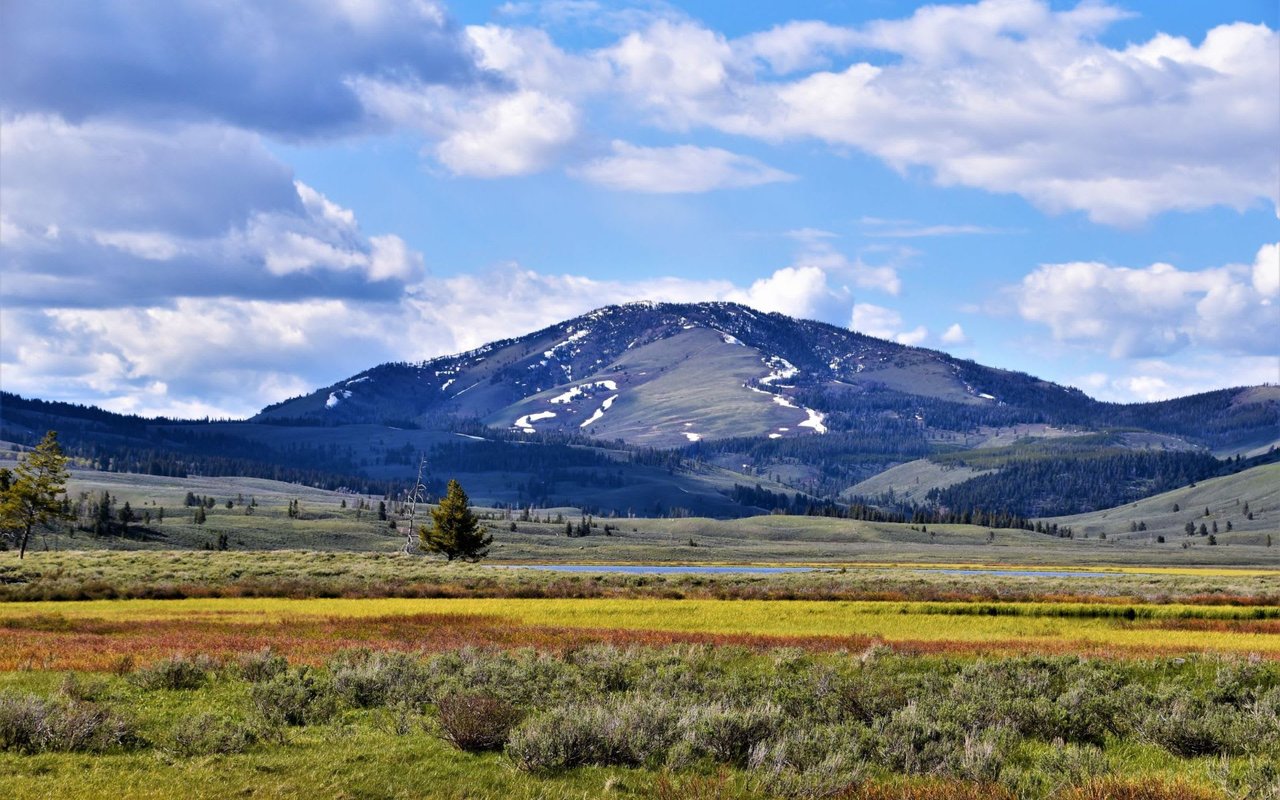
The most timeless interiors in Montana homes tend to draw their color cues directly from the great outdoors. The muted sage of the hillside grasses, the warm tawny gold of dried meadow grasses in late fall, or the slate blue of the Madison at dusk are not colors invented by a designer; they are colors that already exist in the world just beyond your door. Using them inside creates a seamless visual connection between the architecture and the land.
Neutrals anchor the palette in most enduring interiors. Warm whites, greiges, and deep taupes provide walls and large surfaces with a flexibility that allows furnishings and accent choices to shift over time without requiring a full repaint. Where color is introduced, it tends to work best as an accent pulled from a single natural reference: a deep pine green in a library or den, a rust-toned ceramic lamp that nods to the surrounding geology, or a wool throw in a dusty indigo.
Avoid colors that are strongly associated with a specific design era. Certain paint trends date a home immediately, while nature's palette exists outside of time. When you are choosing finishes and furnishings, hold them up against the view outside and ask whether they feel like they belong to this landscape. That single question will do more to create a timeless interior than any trend guide ever could.
Neutrals anchor the palette in most enduring interiors. Warm whites, greiges, and deep taupes provide walls and large surfaces with a flexibility that allows furnishings and accent choices to shift over time without requiring a full repaint. Where color is introduced, it tends to work best as an accent pulled from a single natural reference: a deep pine green in a library or den, a rust-toned ceramic lamp that nods to the surrounding geology, or a wool throw in a dusty indigo.
Avoid colors that are strongly associated with a specific design era. Certain paint trends date a home immediately, while nature's palette exists outside of time. When you are choosing finishes and furnishings, hold them up against the view outside and ask whether they feel like they belong to this landscape. That single question will do more to create a timeless interior than any trend guide ever could.
Color Principles to Keep in Mind
- Ground the space with warm neutrals on walls and large upholstered pieces.
- Introduce nature-derived accent colors in smaller doses through textiles, ceramics, and artwork.
- Use varied tones of the same color grouping, rather than contrasting colors, to create depth without visual competition.
- Test paint samples in both natural and artificial light before committing, as Montana's clear-sky light can shift colors dramatically.
- Let the view become part of the palette by treating windows as a living artwork.
Proportion and Scale
One of the less-discussed but most important elements of timeless design is proportion. The ceiling height, the size of the furniture, the scale of the windows, and the width of the doorways all work together in a way that feels balanced.
In Ennis’ homes, the scale tends to run generous. Open great rooms with soaring ceilings are common, and the challenge is furnishing them in a way that feels anchored rather than sparse. The inverse challenge comes in smaller spaces, particularly in older in-town homes where room sizes are more modest. Here, restraint serves you well. Furniture that is scaled to the room, built-ins that maximize storage without overwhelming square footage, and a limited number of well-chosen pieces will always outperform a room crowded with options. Timeless design is as much about what you leave out as what you put in.
In Ennis’ homes, the scale tends to run generous. Open great rooms with soaring ceilings are common, and the challenge is furnishing them in a way that feels anchored rather than sparse. The inverse challenge comes in smaller spaces, particularly in older in-town homes where room sizes are more modest. Here, restraint serves you well. Furniture that is scaled to the room, built-ins that maximize storage without overwhelming square footage, and a limited number of well-chosen pieces will always outperform a room crowded with options. Timeless design is as much about what you leave out as what you put in.
Proportion Guidelines for Montana Homes
- Match furniture scale to ceiling height; taller ceilings can support larger, heavier pieces.
- Use area rugs to define zones in open-concept spaces rather than leaving large floors undivided.
- Keep window treatments simple and properly scaled; panels hung close to the ceiling and extending to the floor add visual height in rooms with lower ceilings.
- Choose light fixtures proportional to the room.
- Avoid overcrowding surfaces and sightlines; breathing room between objects is part of what makes a well-proportioned space feel calm.
Prioritize Functional Spaces That Reflect Montana Living
Montana life involves muddy boots, waders, fishing gear, layers of outerwear, dogs coming in from the field, and a general orientation toward the outdoors that demands certain practical considerations from a home's design. Building those considerations in from the start, or working them thoughtfully into a renovation, is what separates a truly livable home from one that merely photographs well.
A well-designed mudroom is one of the highest-value design investments you can make in a Montana home, as it is the transition zone between outside and inside. When it is done well, with proper bench seating, hooks at multiple heights, tile or stone floors that can handle moisture, and ample storage for gear, it makes everyday life much easier. It also protects the rest of your home from the wear that comes with active use.
Kitchens and living spaces that open to outdoor areas are another cornerstone of functional Montana design. When the summer evenings are as beautiful as they are in the Madison Valley, you want a layout that allows the indoors and outdoors to flow together. Covered porches, screened-in sitting areas, and sliding or folding door systems that open the back of a home to a patio or deck all serve this purpose.
A well-designed mudroom is one of the highest-value design investments you can make in a Montana home, as it is the transition zone between outside and inside. When it is done well, with proper bench seating, hooks at multiple heights, tile or stone floors that can handle moisture, and ample storage for gear, it makes everyday life much easier. It also protects the rest of your home from the wear that comes with active use.
Kitchens and living spaces that open to outdoor areas are another cornerstone of functional Montana design. When the summer evenings are as beautiful as they are in the Madison Valley, you want a layout that allows the indoors and outdoors to flow together. Covered porches, screened-in sitting areas, and sliding or folding door systems that open the back of a home to a patio or deck all serve this purpose.
Functional Design Priorities for Ennis Homes
- Invest in a purpose-built mudroom or entry vestibule with dedicated storage for outdoor gear.
- Design outdoor living areas with weather durability in mind; materials need to handle Montana's temperature swings.
- Built-ins in living rooms, libraries, and hallways add both function and visual weight.
- Consider wide doorways and hallways that allow for easy movement of gear, furniture, and everything else that comes with an active lifestyle.
- Think through the traffic flow from the outdoors inward.
FAQs
What Design Style Works Best for Homes in Ennis, MT?
There is no single right answer, but homes in Ennis tend to look most at home when they reference the Western vernacular in some way. That does not require a log cabin aesthetic; it simply means respecting the landscape through material choices, a grounded color palette, and proportions that feel right for the setting. Modern mountain, updated ranch, and Craftsman-influenced styles all translate well in this context.
How Do I Make a Small Ennis Home Feel Larger Without a Renovation?
A few design moves make a world of difference. A consistent, light neutral palette on walls and large furniture pieces creates visual continuity that reads as spaciousness. Minimizing the number of pieces in a room and choosing furniture properly scaled to the square footage avoids the crowded feeling that makes rooms feel smaller. Strategic mirror placement and maximizing natural light also help considerably.
What Flooring Holds Up Best in a Montana Home?
Wide-plank hardwood, engineered wood with a substantial wear layer, and natural stone tile are all strong performers in Montana homes. They handle temperature fluctuation, moisture, and the general wear of an active lifestyle better than carpet or thin-veneer flooring options. In high-traffic areas like entryways and mudrooms, stone or large-format tile with a honed finish is especially practical.
Your Home, Built to Last
Timeless design in your Ennis home is less about following rules and more about making choices that reflect where you are and how you want to live. When you ground your decisions in natural materials, a landscape-inspired palette, and a respect for functionality, you end up with a home that only gets better with time.
The Madison Valley rewards that kind of thinking. The homes here that feel most right are the ones where every decision, from the flooring underfoot to the light fixture over the dining table, seems to belong exactly where it is.
If you are ready to make your Ennis home a place that reflects the landscape and holds its value and character for years to come, I would love to help. Reach out to me, Dawn Myrvik, to start the conversation.
The Madison Valley rewards that kind of thinking. The homes here that feel most right are the ones where every decision, from the flooring underfoot to the light fixture over the dining table, seems to belong exactly where it is.
If you are ready to make your Ennis home a place that reflects the landscape and holds its value and character for years to come, I would love to help. Reach out to me, Dawn Myrvik, to start the conversation.