Welcome to Ruby Valley
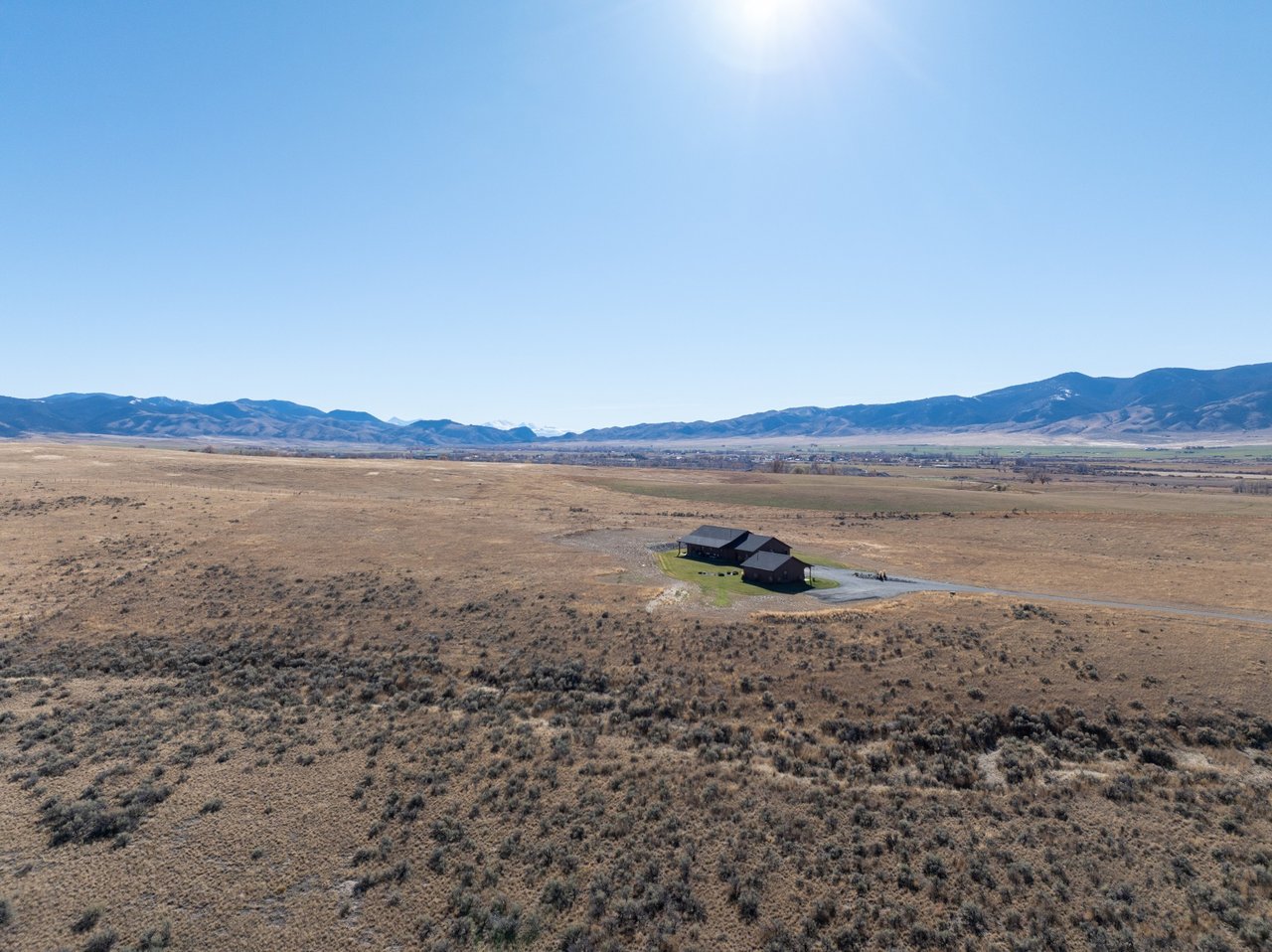
Discover the quiet splendor of Ruby Valley, a sweeping agricultural and recreational corridor in Madison County, Montana, anchored by the small town of Sheridan and surrounded by seven mountain ranges visible in nearly every direction. Named for the Ruby River that winds through its length — fed by clear cold waters from the Ruby, Gravelly, Snowcrest, and Tobacco Root mountains — this valley has sustained ranchers, miners, and outdoor enthusiasts since the 1860s, when it first emerged as a supply corridor for the gold rush communities of nearby Alder Gulch and Virginia City. The first lumber mill in the Sheridan area was built in 1863, the post office established in 1866, and the town incorporated in 1893 — giving Ruby Valley one of the deepest settlement histories in southwest Montana, visible today in its working ranches, historic churches, and the Victorian architecture of the Ruby Valley Inn.
Sheridan, the valley's commercial and community hub of approximately 700 year-round residents, serves as the Heart of the Ruby Valley — a base for recreation, a center for the valley's agricultural economy, and a genuinely welcoming small town where summer brings Sheridan Days festivals, car shows, live entertainment, and community brunches to the main street. The surrounding communities of Laurin, Alder, Twin Bridges, and Silver Star complete the valley's character — each with its own layered history and its own connection to the Ruby River, the mountains, and the agricultural traditions that define rural southwest Montana.
What to Love
-
Stunning seven-range mountain views offering unmatched hiking, hunting, and alpine lake fishing right at your doorstep
-
Blue-ribbon fly-fishing on the Ruby River, a world-renowned waterway famous for legendary trout and insect hatches
-
World-class trophy hunting across four river drainages in the heart of Montana's premier elk country
-
A tight-knit, vibrant community spirit anchored by the local brewery, public pool, and Jackson’s Garden
-
The epicenter of fly-fishing heritage, home to the world-famous Winston Rod Company just down the road
-
Treasure hunting and gem mining for rubies and sapphires along the rich gravels of the Ruby River
-
Beloved annual traditions including the Sheridan Days summer festival and the Twin Bridges Floating Flotilla
-
A welcoming haven for outdoor travelers featuring the unique Bill White free riverside bicycle camp
-
Proximity to historic Virginia City, Montana's most intact gold rush era living ghost town
Local Lifestyle
Life in Ruby Valley moves at the pace of its seasons and its rivers — unhurried, outdoor-centered, and deeply connected to the land. Residents of Sheridan and the surrounding ranching community wake to views of the Tobacco Root Mountains and spend their days in a rhythm shaped by cattle, crops, rivers, and the particular satisfaction of living in a place that has remained genuinely itself across more than 160 years of history. The Ruby River runs through daily life as much as through the landscape — guiding anglers to its Brown trout runs in spring, drawing wildlife photographers to its banks in fall, and holding ice anglers and snowshoers in winter. Open space abounds in this agricultural area of large cattle ranches and farms, and the sight of local cowboys trailing cattle up the Ruby remains part of the valley's everyday fabric.
For those who want it, the community pulse of Sheridan provides everything from the Ruby Valley Medical Center and Tobacco Root Mountains Care Center to the Ruby Valley Brewery and Jackson's Garden's community events — a self-contained small-town infrastructure that rewards residents who are happy to find their social and civic life within the valley itself. Virginia City and Nevada City, both within a short drive along Highway 287, add a living history dimension to weekend exploration. Bozeman, approximately 90 minutes away, provides broader commercial services, healthcare, Montana State University, and Bozeman Yellowstone International Airport when the valley's self-sufficiency needs supplementing.
Dining and Entertainment
Ruby Valley Brewery in Sheridan is the valley's craft gathering place — a community hub where locals and visitors alike enjoy locally brewed beers in an atmosphere that reflects the genuine small-town character of southwest Montana. The Ruby Valley Inn, a restored 1800s Western Victorian mansion set on ten beautiful acres just south of Sheridan, offers a dining and accommodation experience steeped in the Old West spirit, with a common room fireplace and a deck overlooking the Ruby and Tobacco Root Mountains that captures the valley's character completely.
For tackle, flies, and expert guidance, Twin Bridges — a quiet ranching community at the confluence where the Ruby, Big Hole, and Beaverhead rivers join to form the Jefferson — is home to the Winston Rod Company, one of the finest fly rod manufacturers in the world, and serves as a base for anglers pursuing trophy trout across four of southwest Montana's most celebrated blue-ribbon fisheries. Sheridan's main street businesses, including local cafés and the Ruby Valley Medical Center, provide the everyday community infrastructure that sustains year-round life in the valley, while Virginia City's restaurants and saloons — preserved as part of one of Montana's most intact gold rush communities — add a distinctive historical dining dimension to any weekend drive along the valley.
Things to Do
Ruby Valley's recreational calendar is anchored by the Ruby River and the seven mountain ranges that define its skyline. Fly fishing on the Ruby — for Brown trout, with midge and caddis hatches drawing anglers from across the region — is the valley's signature outdoor activity, complemented by the nearby Big Hole, Beaverhead, Madison, and Jefferson rivers that put five blue-ribbon trout fisheries within an hour's drive. The towering Tobacco Root Range, with 43 peaks exceeding 10,000 feet, draws hunters, hikers, and alpine lake anglers into terrain that remains wild and genuinely remote even by Montana standards.
Gem hunting along the Ruby River gravels has historically rewarded patient searchers with rubies and sapphires — a distinctive Ruby Valley activity that no neighboring valley can replicate. Region 3's extraordinary big game hunting — producing approximately 50% of Montana's entire state elk harvest — draws hunters from across the country to the valley's surrounding BLM lands, state lands, and private ranches. Cyclists enjoy the free Bill White bike camp along the river. In winter, snowmobiling and cross-country skiing in the surrounding ranges extend the outdoor calendar through the cold months, and Virginia City and Nevada City's living history museums provide year-round cultural and heritage exploration just down the highway.
Why Live in Ruby Valley, MT
Living in Ruby Valley means inhabiting one of southwest Montana's most historically rooted and naturally spectacular corridors — a place where the mountains, the river, the working ranches, and the small-town community of Sheridan combine to create a life that is genuinely difficult to replicate anywhere else in Montana. Compared to other places in southwest Montana, the climate of the Ruby Valley is mild — owing to the mountains that block some of the more extreme weather Montana can experience — a meaningful quality-of-life advantage that the valley's long-time residents consistently appreciate.
The valley's self-sufficiency is real. The Ruby Valley Medical Center and Tobacco Root Mountains Care Center provide local healthcare. Sheridan's business corridor covers everyday needs. The Ruby Valley Brewery and community events calendar keep social life active without requiring a drive to a larger city. And when Bozeman's airport, university, or commercial infrastructure is needed, it's an accessible drive rather than a daily commitment. For buyers who want the full Montana rural experience — rivers, mountains, ranching heritage, blue-ribbon fishing, big game hunting, and a genuine small-town community — Ruby Valley delivers all of it in a landscape that has sustained and rewarded those who chose it for more than 160 years.
Ruby Valley, MT Real Estate
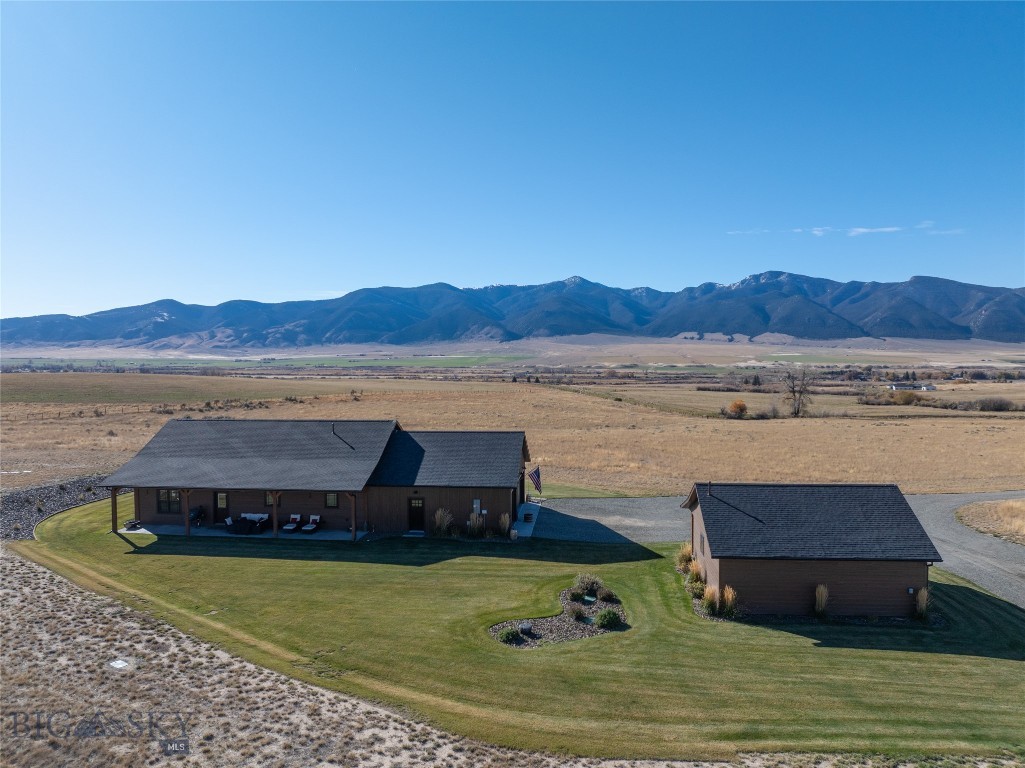
Real estate in Ruby Valley encompasses the full range of southwest Montana rural and agricultural property — from working cattle ranches and equestrian properties to fly-fishing retreats on or near the Ruby River, custom-built homes with panoramic mountain views, historic Victorian residences in Sheridan's town core, and large acreage parcels in the surrounding valley and mountain corridors. Properties in and around Sheridan typically range from traditional in-town residences to substantial acreage holdings, while the Ruby River corridor and mountain adjacencies command meaningful premiums for their fishing access, wildlife habitat, and scenic position.
Home construction associated with the subdivision of the past 20 years is one of the fastest-growing industries in Madison County, and non-traditional ranch property owners are becoming more common — buyers from Bozeman, other Montana cities, and out-of-state who have discovered the Ruby Valley's combination of accessibility, agricultural character, and recreational richness. Inventory remains limited relative to demand, particularly for properties with river frontage, BLM or state land adjacency, or significant mountain views. The area attracts buyers seeking primary residences, vacation properties, fly-fishing retreats, hunting camps, and long-term land investments in one of southwest Montana's most historically significant and naturally beautiful valleys.
Who Lives Here
Ruby Valley attracts residents who value independence, authentic Montana character, and a life organized around the land, the river, and the seasons.
Families
Ruby Valley attracts residents who value independence, authentic Montana character, and a life organized around the land, the river, and the seasons.
Outdoor Enthusiasts
Anglers pursuing Blue-ribbon Brown trout on the Ruby, Big Hole, Beaverhead, Madison, and Jefferson rivers; hunters targeting elk, deer, and antelope across Region 3's extraordinary big game terrain; hikers and mountain bikers exploring the Tobacco Root peaks — the Ruby Valley's outdoor community is active, knowledgeable, and deeply attached to the landscape.
Retirees and Second-Home Owners
Many retirees and seasonal residents are drawn to Ruby Valley for its mild-for-Montana climate, exceptional fishing, historical richness, and the slower pace that small-town Sheridan and the surrounding valley communities provide.
Remote Workers and Lifestyle Movers
With remote work enabling location independence, Ruby Valley appeals increasingly to buyers from larger Montana cities and out-of-state who want privacy, natural surroundings, and an intentional way of life — without the price premiums of the Bozeman, Big Sky, or Missoula markets.
Ranchers and Landowners
The valley's deep agricultural heritage, large cattle ranches, and wide-open spaces continue to attract working ranchers, equestrian property owners, and buyers pursuing the self-sufficient rural lifestyle that southwest Montana's Madison County has sustained for generations.
Buying and Renting Tips
For Buyers
- Inventory in the Ruby Valley is limited, particularly for properties with Ruby River frontage, BLM adjacency, or significant mountain views. Buyers who identify a property matching their criteria should be prepared to move decisively — well-positioned rural Montana properties rarely sit for extended periods.
- Work with a local expert familiar with Madison County's rural land market, water rights, irrigation rights on river-adjacent properties, septic systems, and seasonal road access conditions. These variables are material to both value and daily livability in ways that online research alone cannot capture.
- Evaluate utilities carefully — many rural Ruby Valley properties rely on private wells, septic systems, propane, and in some cases off-grid or solar power solutions rather than municipal infrastructure.
- Consider year-round accessibility, particularly for properties on gravel roads or at higher elevations where winter conditions require additional preparation and planning.
For Renters
- Rental opportunities in the Ruby Valley are limited and often seasonal, reflecting the rural character of the community and its predominantly owner-occupancy culture.
- Available rentals skew toward cabins, single-family homes, and agricultural residences rather than apartment-style developments. In a small-town market, quality rental properties are often known by word of mouth before they reach public listing platforms.
- Lease agreements in rural Montana commonly include maintenance responsibilities such as snow removal, propane management, and general property upkeep — reviewing these obligations carefully before signing is important.
Factors to Consider When Buying
Rural Infrastructure:
Many Ruby Valley properties rely on private wells, septic systems, propane, and off-grid or satellite-based internet rather than municipal utilities. Understanding the condition, capacity, and age of these systems is critical due diligence for any rural Madison County property.
Water Rights and River Access:
For properties on or near the Ruby River or its irrigation infrastructure, water rights are a material component of the property's value and its agricultural and recreational potential. Buyers should engage a local attorney or water rights specialist to review all water rights associated with any river-adjacent or irrigated acreage before purchase.
Access and Road Conditions:
Some properties are located on gravel or seasonal roads that require additional planning during winter months. Evaluating road condition, maintenance responsibility, and year-round access is important for both daily livability and emergency access planning.
Wildlife, Hunting, and Fishing Value:
In Ruby Valley, proximity to BLM land, state land, the Ruby River, and big game habitat meaningfully affects both property value and daily quality of life. Buyers should evaluate the specific hunting and fishing access — including any public land adjacency, river access points, and wildlife movement corridors — as primary components of their purchase analysis.
Long-Term Value:
Ruby Valley's natural beauty, agricultural heritage, limited development, recreational richness, and deepening appeal among lifestyle buyers from larger Montana cities all support long-term property desirability and value appreciation for buyers who hold with patience.
Factors to Consider When Selling
Target Buyer Profile:
Most Ruby Valley buyers are seeking lifestyle properties centered around fly fishing, big game hunting, ranching heritage, privacy, and the authentic Montana rural experience. Marketing should foreground these features — the river access, the mountain views, the hunting terrain, the agricultural character — rather than treating them as secondary to square footage and interior finishes.
Property-Presentation:
Well-maintained land, accessible roads, clearly defined property boundaries, and honest documentation of water rights, utilities, and access conditions all improve buyer confidence and reduce friction in a market where remote buyers frequently make decisions based on photography and agent relationships before visiting in person.
Pricing Strategy:
Comparable sales in rural Madison County can be limited, requiring pricing analysis that draws on acreage value, river or BLM adjacency premiums, improvement quality, view and terrain, and the specific recreational and agricultural attributes of the property. Sellers who work with agents deeply familiar with southwest Montana's rural land market consistently achieve better results than those relying on broad county-wide averages.
Professional Marketing:
High-quality photography, aerial drone footage capturing the mountain views and river corridor, and storytelling that communicates the specific character and lifestyle of Ruby Valley will significantly extend the reach of any listing to the out-of-state and larger Montana city buyer pool that represents the most active segment of southwest Montana rural real estate demand.
Ruby Valley, MT Real Estate FAQ
What is the average home price in Ruby Valley, MT?
As of early 2026, property values in Ruby Valley range from modest in-town residences in Sheridan starting below $300,000 to substantial acreage and river-front ranch properties that can reach $1 million to several million depending on size, river access, BLM adjacency, and improvement quality. Buyers should work with a local Madison County specialist for current, property-specific pricing guidance.
What types of homes are available in Ruby Valley, MT?
Buyers can find working cattle ranches and equestrian properties, river-front fly-fishing retreats on and near the Ruby River, custom-built homes with panoramic mountain and valley views, historic Victorian residences in Sheridan's town core, modest in-town single-family homes, and large acreage parcels throughout the surrounding valley and mountain corridors.
Is Ruby Valley a good place for families?
Yes, particularly for families seeking an outdoor-oriented, agricultural lifestyle in a safe small-town environment. Community services including the Ruby Valley Medical Center and Tobacco Root Mountains Care Center are available in Sheridan, though some services and higher education require travel to Twin Bridges, Dillon, or Bozeman.
How are the commuting options from Ruby Valley?
Residents primarily rely on personal vehicles. Sheridan provides everyday services and healthcare within the valley. Dillon to the south and Bozeman to the north — each approximately 60 to 90 minutes away — provide broader commercial services, major healthcare, and air travel access through Bozeman Yellowstone International Airport.
What is the lifestyle like in Ruby Valley?
The lifestyle is relaxed, rural, and organized around the land, the river, and the seasons. Fly fishing the Ruby, hunting the surrounding BLM and state lands, attending community events at Jackson's Garden and Sheridan Days, and the daily rhythm of agricultural life define the Ruby Valley experience.
Is Ruby Valley a good place to retire?
Absolutely. Ruby Valley's mild-for-Montana climate, exceptional outdoor recreation, authentic small-town community character, local healthcare in Sheridan, and the slower pace of agricultural southwest Montana make it highly appealing for retirees seeking privacy, natural beauty, and a genuinely unhurried way of life.
Why Choose Dawn Myrvik for Real Estate in Ruby Valley, MT
When buying or selling property in Ruby Valley and the surrounding Madison County corridor, Dawn Myrvik offers the local expertise and personalized guidance needed to navigate Montana's distinctive rural real estate market. With extensive knowledge of acreage properties, river-front and agricultural land, water rights, and market trends across southwest Montana, Dawn helps clients confidently pursue their real estate goals. Whether you're searching for a fly-fishing retreat on the Ruby River, a working ranch with mountain views, or a peaceful place to call home in one of Montana's most historically rich and naturally beautiful valleys, her commitment to clear communication, strong client relationships, and deep understanding of the local market ensures a smooth and rewarding experience from start to finish.