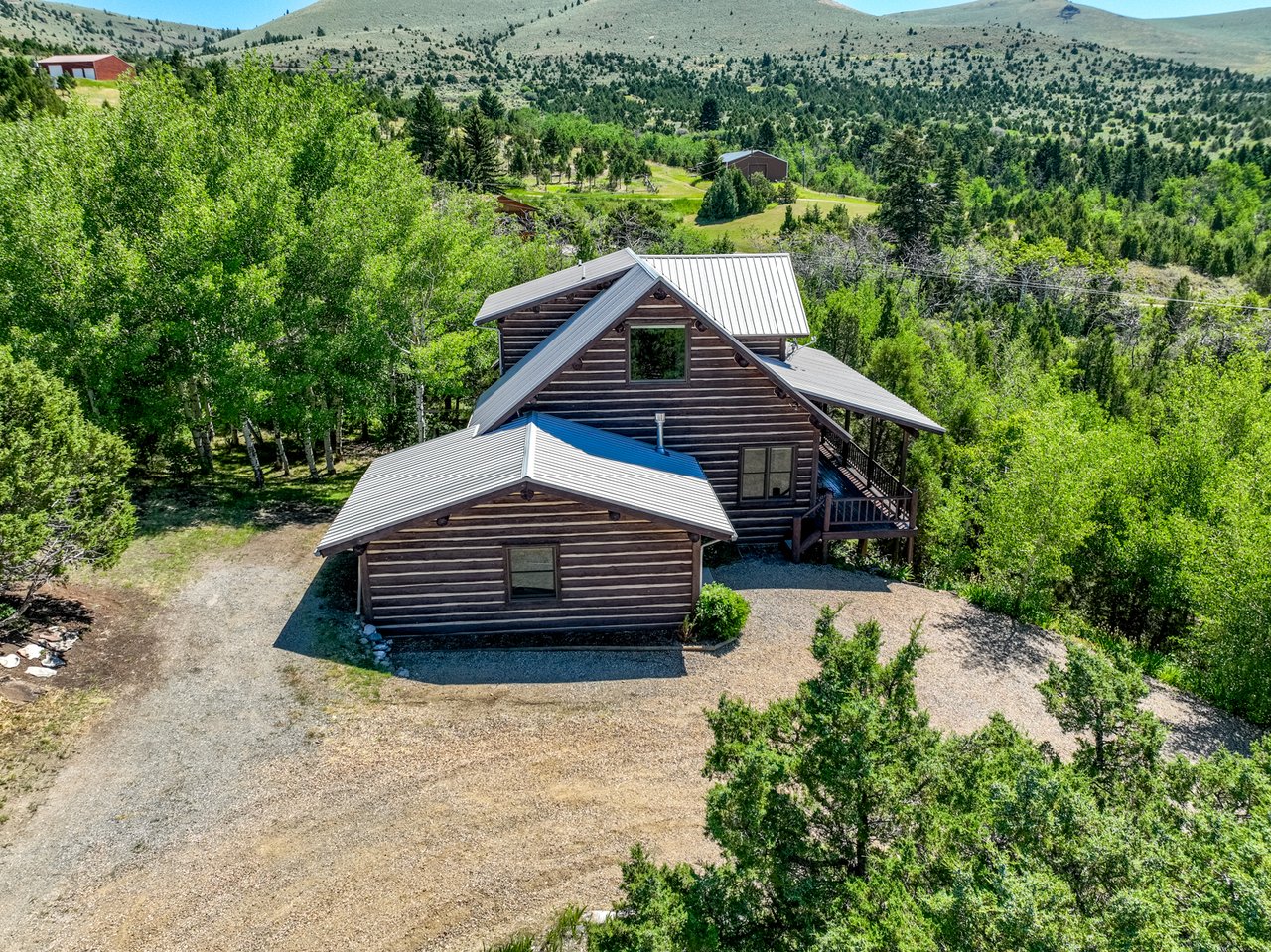
Welcome to Virginia City
Virginia City is an encapsulation of rich history combined with modern-day dynamism, nestled in the heart of Madison County, Montana. Steeped in historical significance, it's a community that's held onto its past, making it a living tribute to the resilience of the Old West. The town and its surrounding area, acclaimed as a National Historic Landmark District, attest to the preservation of its distinct heritage.
During summer, Virginia City morphs into a bustling hub, with its streets echoing the town's lively spirit. Come winter, the community embraces a peaceful calm, marking a stark yet captivating contrast to its summertime vigor. It's a unique blend of old and new, conventional and unconventional, creating an ambiance that is nothing short of enchanting.
What to Love
Pioneer Bar, pharmacy, and post office open year-round
Touristy summer
Exceptional access to outdoor activities
Historic buildings dating back to 1863
A community with polarizing charm
Local Lifestyle
Life in Virginia City is a symphony of the past meeting the present, best symbolized by its preserved buildings still in use, some of which date back to 1863. Each stone and timber tells tales of yesteryears, adding an irreplaceable depth to the local lifestyle. This ambiance of living history, coupled with modern conveniences, is the essence of Virginia City, lending an extraordinary quality to everyday life.
Dining and Entertainment
Pioneer Bar is the town's go-to for laid-back camaraderie. It serves an array of top-notch beverages complemented by a delectable food menu, encapsulating an ideal place for a fun night out.
The Wells Fargo Steakhouse and Eatery, another culinary gem, sets the stage for memorable dining experiences. With its cozy atmosphere, generous portions, and a well-crafted drinks list, it's a must-visit spot for those seeking a remarkable meal.
Don't miss Cousin's Candy Shop for a sweet detour, known for its wide array of delightful confectioneries. With a charming ambiance, it's a haven for both kids and adults alike.
The Montana Picture Gallery’s old-time photo studio offers a unique opportunity to step back in time, while the Stage Coach rides provide a thrilling and educational journey through the historic landscapes.
Things to Do
Virginia City offers a calendar of exciting events, with the Music Festival being a notable highlight. It's a melodic celebration that brings together residents and visitors, uniting them in their shared appreciation for diverse tunes under the clear Montana sky.
Another much-anticipated event is the Fourth of July fireworks. The spectacular pyrotechnic display lights up the night sky, making this annual celebration a mesmerizing spectacle that reflects the spirit and unity of this tight-knit community.
Why Live in Virginia City, MT
Living in Virginia City means owning a piece of one of Montana’s most historically significant mining towns — the county seat of Madison County and a National Historic Landmark District where more than 150 original buildings from the 1860s gold rush era still line the same boardwalks that once served thousands of prospectors. Founded in 1863 after gold was discovered along Alder Gulch, Virginia City briefly served as the territorial capital of Montana and quickly grew into one of the richest gold camps in the American West, before its population declined dramatically as the gold played out — leaving behind an almost perfectly preserved frontier streetscape that draws history-minded buyers today.
The town’s location along State Highway 287 gives residents small-town charm and everyday character just minutes from Nevada City, its sister ghost town, while Ennis and the Madison River are roughly a 30-minute drive north, and Bozeman’s airport and broader amenities are reachable in under two hours. Virginia City sits in the shadow of the Tobacco Root Mountains, giving residents direct access to hiking, fishing, and backcountry recreation without leaving the surrounding Madison County landscape. For buyers who want a genuine piece of Montana’s territorial history — wooden storefronts, a living-history museum town, and a community defined by preservation rather than development — Virginia City delivers an experience that few other Montana addresses can match.
Virginia City, MT Real Estate
Real estate in Virginia City spans a genuinely wide range, from modest in-town homes and historic structures within the National Historic Landmark District to rural acreage and mining-claim parcels scattered throughout the surrounding Alder Gulch corridor. As of recent reporting, the median home price in town has run from roughly $395,000 to $462,000 depending on the data source and period, with per-square-foot pricing in the $300s, while the broader Madison County market — which includes Virginia City — has climbed sharply, with county-wide median sale prices reaching $880,000 to nearly $900,000 by late 2026.
Inventory within Virginia City itself remains genuinely limited — fewer than 10 to 15 active listings at any given time is typical, reflecting the town’s small year-round population of under 200 residents. Pricing varies enormously by property type: modest in-town homes and condos can be found in the $250,000s to $475,000 range, while larger acreage parcels, historic mining claims, and surrounding Madison County ranch and recreational land can run anywhere from a few thousand dollars per acre up to multimillion-dollar listings at the county’s high end. Buyers here range from history and preservation enthusiasts purchasing an in-town cottage to recreational buyers seeking acreage near Alder Gulch or the Tobacco Root Mountains.
Who Lives Here
Virginia City attracts buyers who specifically want the character of a living-history town combined with genuine small-town Montana privacy.
History and Preservation Enthusiasts
Virginia City’s National Historic Landmark District, its 1860s-era storefronts, and its role as Montana’s former territorial capital draw buyers who want to own and help preserve a tangible piece of the American West’s mining history.
Outdoor Enthusiasts
The Tobacco Root Mountains, Alder Gulch, and the nearby Madison River corridor give residents direct access to hiking, fishing, and hunting throughout Madison County’s extensive public land.
Second-Home and Retreat Buyers
Virginia City’s proximity to Ennis and the Madison River, combined with Bozeman’s airport under two hours away, makes it a practical and appealing second-home location for buyers who want genuine seclusion and historical character without total isolation.
Retirees and Lifestyle Movers
The town’s low cost of living relative to Bozeman and Big Sky, its walkable historic core, and its tight-knit community make Virginia City appealing to retirees and buyers relocating from larger cities who want an authentic, slower-paced Montana lifestyle.
Investors in Historic and Commercial Properties
A number of Virginia City’s historic buildings function as small commercial or tourism-oriented properties, drawing buyers interested in combining a residence with a business tied to the town’s living-history tourism economy.
Rural Acreage and Mining-Claim Buyers
Properties throughout the surrounding Alder Gulch and broader Madison County landscape — including small legacy mining claims and larger recreational acreage — attract buyers seeking land investment or a private backcountry retreat.
Buying and Renting Tips
For Buyers
- Inventory in Virginia City itself is genuinely limited given the town’s small year-round population — buyers interested in a specific historic property or in-town lot should move decisively once a matching listing appears.
- Properties within the National Historic Landmark District may carry preservation guidelines affecting exterior modifications, renovations, or new construction — confirm any applicable historic district requirements before purchasing with renovation plans.
- For rural and mining-claim parcels, verify water rights, mineral rights, access easements, and any environmental remediation history tied to the area’s historic mining activity.
- Evaluate well, septic, and winter road access carefully for any property outside the immediate town core, as rural Madison County infrastructure can vary significantly by location.
For Renters
- Rental opportunities in Virginia City are limited given the town’s small size and its tourism-driven, seasonal economy; many available properties lean toward vacation and short-term tourist lodging rather than long-term leases.
- Buyers considering the lifestyle before committing to a purchase may find seasonal lodging in Virginia City or nearby Ennis a practical way to experience the area first.
Factors to Consider When Buying
Historic District Considerations:
Virginia City’s National Historic Landmark District designation protects the town’s 1860s-era character, meaning many properties carry preservation guidelines — understand what’s required before purchasing with renovation or construction intentions.
Mining History and Land Consolidation:
Given the area’s gold rush legacy, buyers of rural and mining-claim parcels should confirm mineral rights, any required environmental assessments, and water rights tied to Alder Gulch and surrounding drainages.
Proximity to Ennis, Bozeman, and the Madison River:
Virginia City’s position roughly 30 minutes from Ennis and the Madison River, and under two hours from Bozeman’s airport, gives it a genuine balance of seclusion and accessibility — a key consideration for buyers weighing it against more remote or more developed Madison Valley alternatives.
Seasonal Tourism Economy:
Virginia City’s economy is closely tied to seasonal tourism around its living-history attractions — buyers should factor this into expectations around local services, business hours, and community rhythm throughout the year.
Long-Term Value:
The town’s historic landmark status, its small and genuinely limited inventory, and Madison County’s sharply rising county-wide values all support long-term desirability for buyers specifically drawn to Virginia City’s character.
Factors to Consider When Selling
Lead with History and Authenticity:
Virginia City’s standing as a National Historic Landmark District and its role as Montana’s former territorial capital are the town’s defining assets — marketing should foreground this genuine historical character prominently.
Highlight Access to Outdoor Recreation:
Proximity to the Tobacco Root Mountains, Alder Gulch, and the Madison River corridor broadens the buyer pool beyond pure history enthusiasts to include outdoor and recreational buyers.
Professional Marketing:
High-quality photography capturing the town’s preserved storefronts, surrounding mountain views, and any specific historic details of a property will resonate with the out-of-state and preservation-minded buyer pool most active in this niche Montana market.
Pricing Strategy:
With Virginia City’s inventory genuinely thin and Madison County’s broader median shifting significantly month to month, pricing should reflect recent comparable sales specific to property type — in-town historic home, rural acreage, or mining claim — rather than a blanket county-wide average.
Virginia City, MT Real Estate FAQ
What is Virginia City known for?
Virginia City is a National Historic Landmark District and the county seat of Madison County, founded in 1863 during the Alder Gulch gold rush and briefly serving as Montana’s territorial capital. More than 150 original 1860s buildings remain, making it one of the best-preserved mining boomtowns in the American West.
Where is Virginia City located?
Virginia City sits along State Highway 287 in southwestern Montana, roughly 30 minutes south of Ennis and the Madison River, in the shadow of the Tobacco Root Mountains, with Bozeman’s airport about two hours north.
What types of properties are available at Virginia City?
Virginia City offers historic in-town homes and buildings within the National Historic Landmark District, modest single-family homes, and surrounding rural acreage and legacy mining-claim parcels throughout the broader Alder Gulch and Madison County area.
What is the average home price in Virginia City?
As of recent reporting, the median home price in town has run from roughly $395,000 to $462,000 depending on the data source, while the broader Madison County market has climbed to a median sale price between $880,000 and $900,000 by late 2026.
Is Virginia City a good place for history enthusiasts?
Yes. Few places in Montana — or the country — offer this concentration of preserved 1860s architecture alongside a living-history museum economy, making it a genuinely distinctive address for buyers who want to own a piece of the American West’s mining history.
Is Virginia City a good real estate investment?
Yes, with some nuance. Its National Historic Landmark status, extremely limited in-town inventory, and Madison County’s sharply rising broader market all support long-term desirability, though buyers should understand the town’s small, seasonal-tourism-driven economy when evaluating investment expectations.
Why Choose Dawn Myrvik for Real Estate at Virginia City, MT
When buying or selling property in Virginia City and throughout Madison County,
Dawn Myrvik offers the local expertise and personalized guidance needed to navigate this distinctive historic market. A Montana native now living in nearby McAllister, Dawn brings deep familiarity with Virginia City’s historic district properties, rural and mining-claim parcels, and the broader Madison Valley market. Whether you’re searching for a piece of Montana’s territorial history, a private rural retreat near Alder Gulch, or a peaceful second home within reach of Ennis and Bozeman, her commitment to clear communication and genuine local knowledge ensures a smooth and rewarding experience from start to finish.