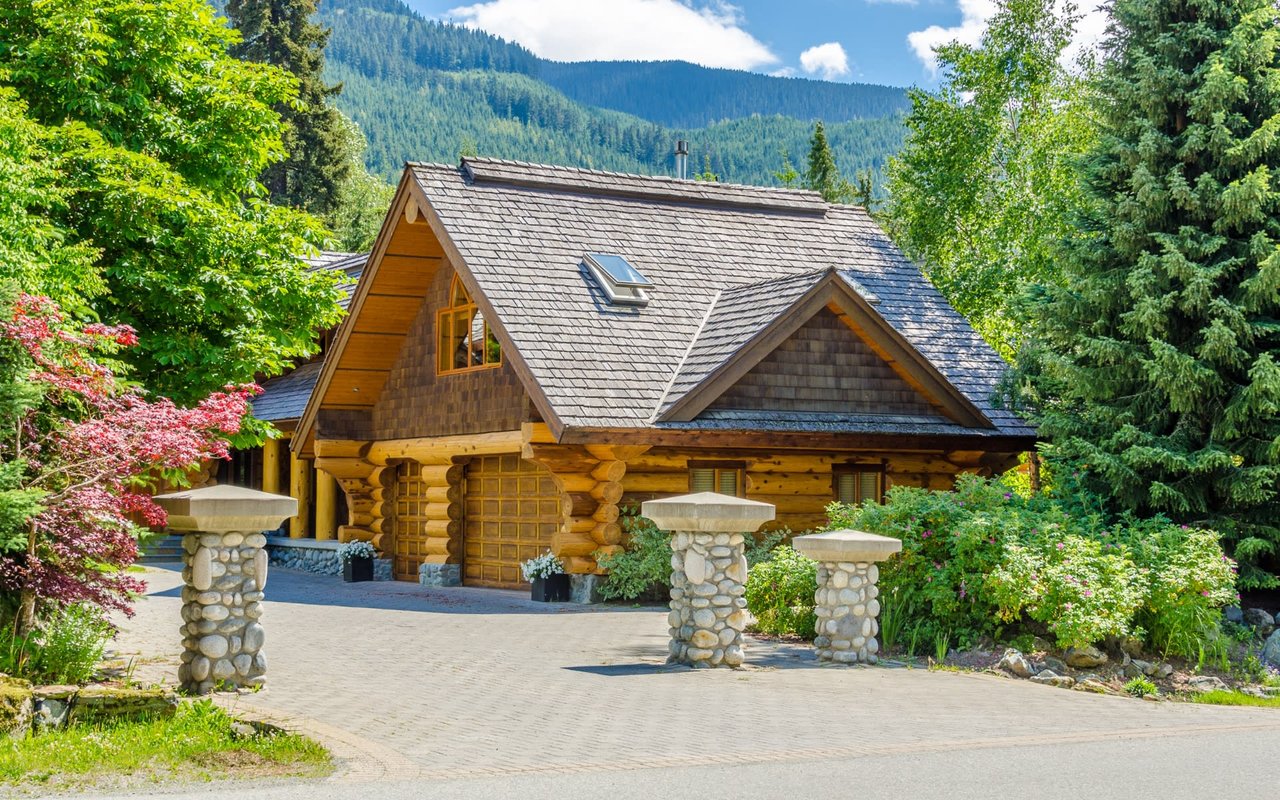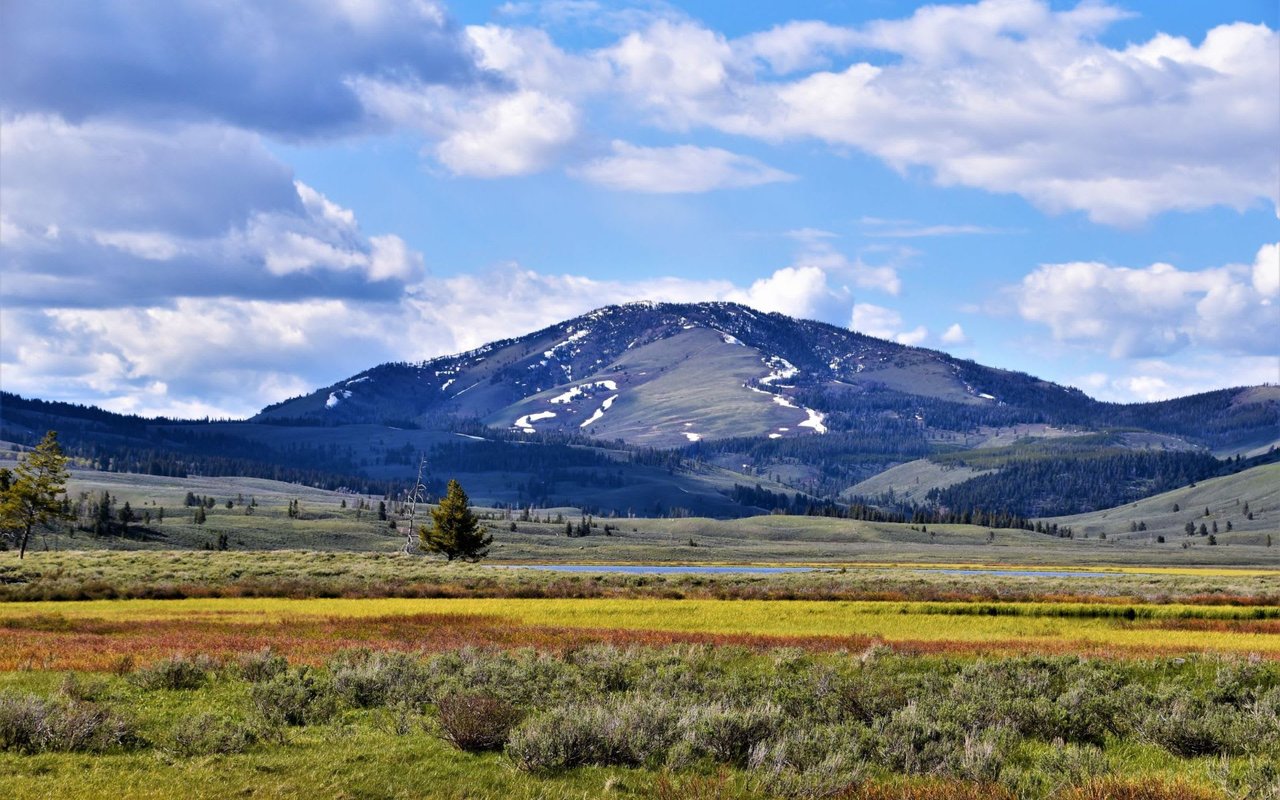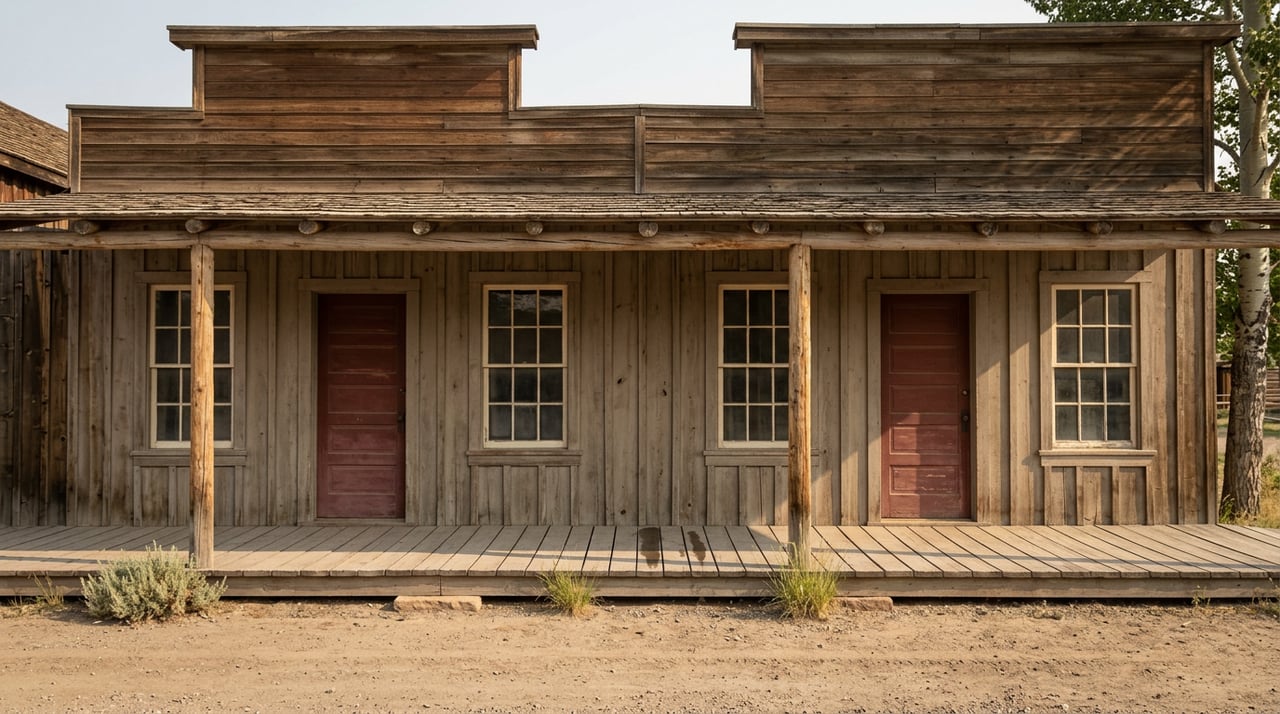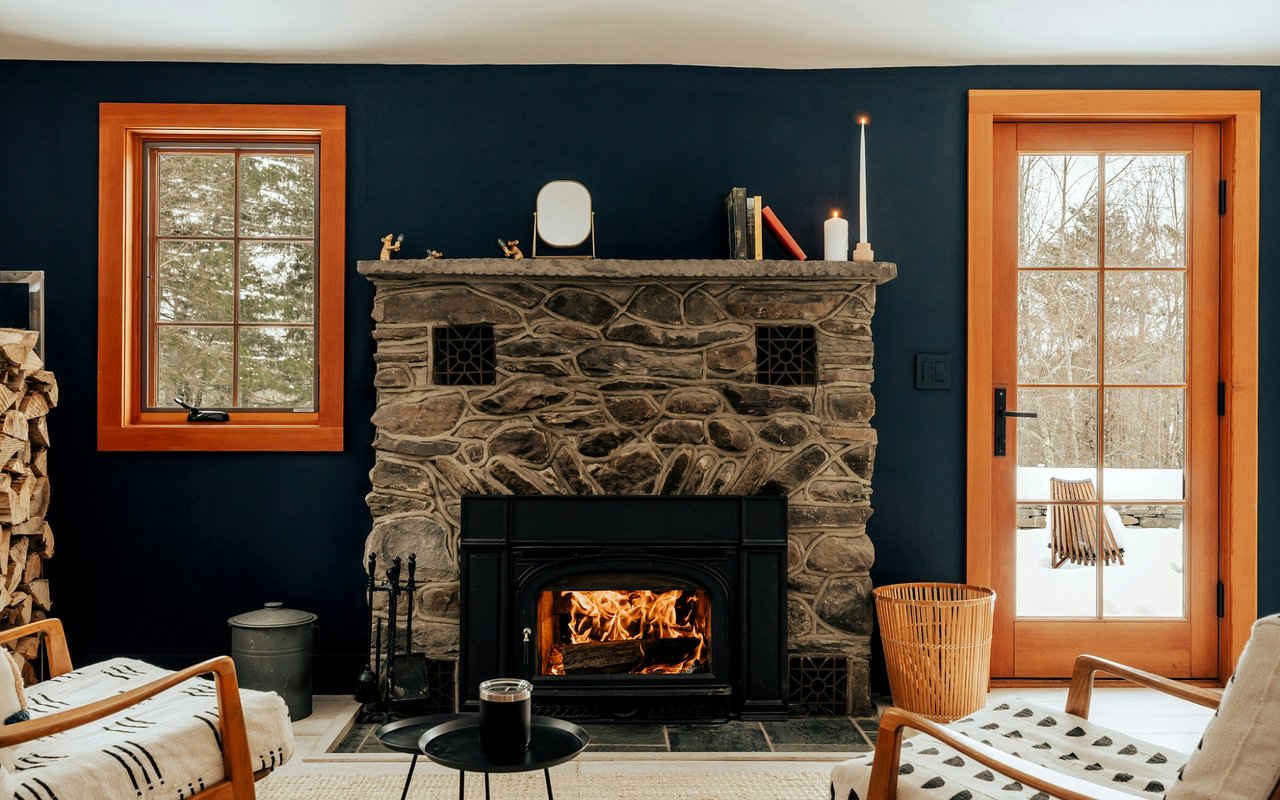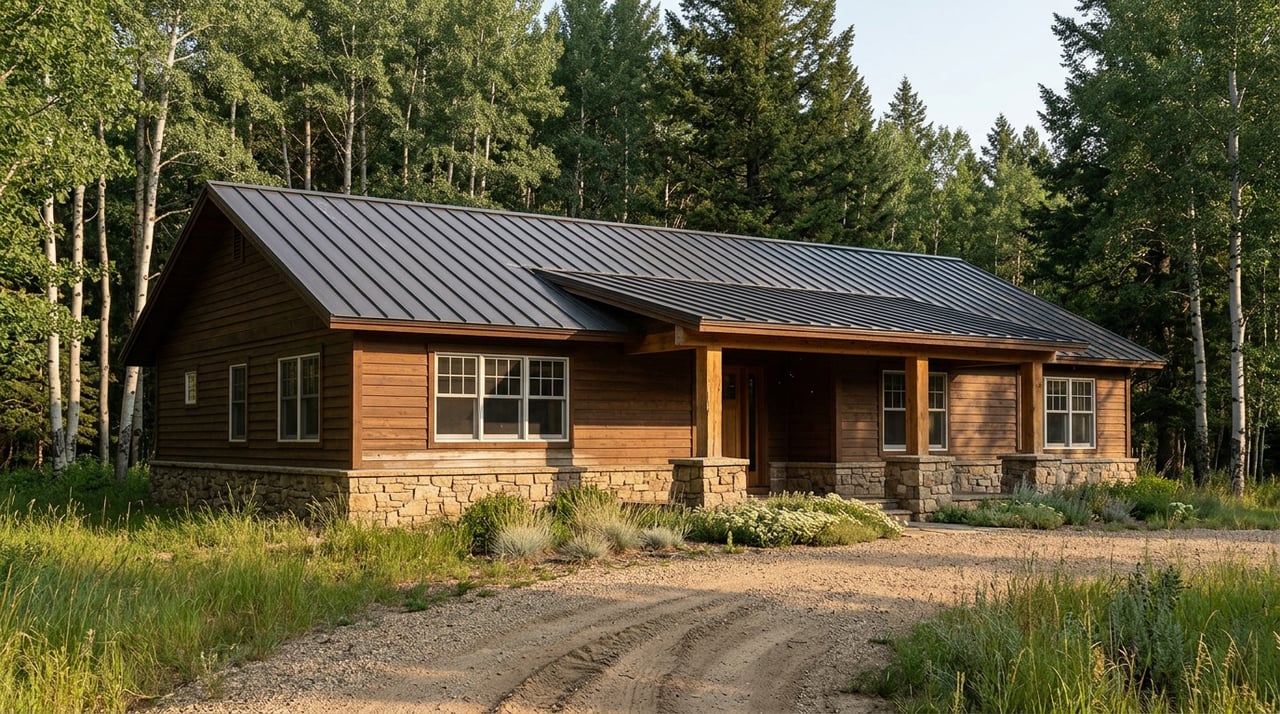
Most buyers arrive at Sun West Ranch with the same picture in their head: three miles of Madison River, a gate at the county road, and a homesite carved out of aspen and Douglas fir. The picture is accurate. It is also the least useful thing to know before writing an offer. The listing price on any given parcel matters far less than the covenant packet attached to its lot number, and the covenants are not uniform across the ranch. Two neighbors sitting on adjoining benches can be working from very different rulebooks about what they may build, how tall it may stand, and where on the pad the house has to sit.
That is the friction worth understanding first. Everything else in a Sun West transaction, from utility hookups to POA dues, follows from it.
The Governance Layer Behind The Gate
Sun West is not a subdivision in the conventional sense. The land was conceived, purchased, planned and developed as a ranching community by Ted and Heidi Gildred in the 1990s, and governance is now under the full control of its property owners' association. The POA office sits at 3 Gildred Lane in Cameron, and a full-time on-site management team runs the day-to-day.
The scale is deliberately small. There are 55 shared home sites, carefully selected and sited to preserve privacy and a feeling of seclusion, ranging in size from four to eleven acres, with over 1,700 acres of common land and access to many thousands of acres of adjacent public land to the west. When you close on a parcel here, you are buying a membership in that structure as much as a piece of ground. The ranch is a Certified Undaunted Land Steward, a cooperative program directed jointly by Montana State University Bozeman, the federal Bureau of Land Management, and the Montana Stockgrowers Association. That certification carries land-use expectations that ride with the property.
For a lifestyle buyer, the practical translation is simple. Your neighbors' views, wildlife corridors, and the ranch's conservation posture are not aesthetic preferences. They are enforceable through the same document that tells you where your driveway can enter your lot.
Read The Lot Before You Read The View
This is the piece that catches buyers off guard, and it is the single most important item to pull from your agent before you tour.
Montana architect James Morton, AIA, hand-selected the limited number of home sites for optimal seclusion and panoramic views. That hand-selection produced lot-by-lot design guidelines rather than a uniform code. A representative comparison across three recently marketed parcels illustrates the point:
| Lot Reference | Acreage | Building Envelope Rule |
|---|---|---|
| Lot 3 | ~5+ acres near river | Design guidelines allow a single story home, not to exceed 22 feet in height, nestled in the aspens to ensure privacy and unobstructed views for all ranch neighbors. |
| Lot 10A | Wooded, SE-facing homesite | Allows for a single story home with up to a 50% square foot lower level. |
| A premier river-view lot | ~5.88 acres | Tucked in the trees, perched on a rock wall and surrounded by ranch open space, one of the most premier lots on the ranch and one of the few that allows a two story home. |
The gap between "single story, 22-foot cap" and "one of the few two-story lots" is the difference between a 2,800-square-foot main level and a program that comfortably absorbs a great room, primary suite, and a bunk wing over a walkout. If a buyer has already sketched the house with an architect in Bozeman before matching that sketch to a specific lot, the math often does not work.
The workaround, when it exists, is the lower-level allowance. A 50 percent square-foot lower level on a single-story lot recovers a meaningful amount of program, but only where topography lets you daylight it. On a flat bench, that allowance is theoretical.
Before you commit, ask for the recorded design guidelines on the specific parcel, not the marketing summary. The number that matters is the one filed with the POA.
"At The Lot Line" Isn't The Same As "Ready To Build"
The Sun West marketing materials accurately state that each parcel is equipped with water, power, electricity, and fiber optics at the lot line. That is genuinely useful in a rural Montana context, where the alternative is often a well, a septic design, and a power run measured in poles.
It is also not the same thing as a buildable pad. What "at the lot line" leaves to the buyer:
- Service laterals from the line to the house pad
- Driveway construction across whatever terrain sits between the road and the building envelope
- Septic design and permitting through Madison County
- Site work inside the approved envelope
Some sellers have front-loaded this diligence. One parcel came with a detailed drawing for a single-level home from the seller and had undergone a thorough geotechnical study and possesses a comprehensive topographic survey. Where that work is already done, the buyer is buying months of calendar time. Where it is not, it is a cost line that belongs in the offer analysis, not in a surprise conversation with the builder in month three.
What The POA Actually Delivers
The dues carry real value, and a buyer should be able to price them against what they replace. Common areas encompass over 80 percent of the ranch, and a year-round, on-site management team oversees the operation and maintenance of the ranch's common property. The amenity set, according to the ranch and the POA:
- Equestrian activities, private access to 3 miles of the Madison River, three spring fed and stocked ponds, trails for hiking, biking or snowshoeing, and on-site ranch management in a gated community.
- Year-round equestrian facilities with heated stables and an outdoor riding arena, plus a well-appointed guest cabin available to rent for visitors.
- A Hospitality House for social gatherings, available to residents without charge, ideal for parties, summer barbecues and family reunions.
- A full-time ranch management team available to maintain and care for your home and your horses when you are not there, as well as prepare your property for your arrival.
That last line is the one second-home buyers should weigh most carefully. If the property is going to sit empty from October through April, the standing management relationship is the difference between arriving to a warm house with the water on and arriving to a plumbing repair.
How Sun West Prices Read Against The County
Madison County list data is a poor comparable set for Sun West. In July 2025, Madison County homes were listed to buy for a median price of $700,000, with a median value of $383 per square foot. Sun West improved parcels routinely list well above that, and land parcels alone often clear the county median. The gap is not a valuation error. It reflects the river frontage, the amenity load, and the covenant-controlled scarcity of only 55 homesites.
The broader Montana context is worth holding in mind for pace, not for price. The state median sits at $505,000, with properties moving within 58 days on market, a moderate 4.61 months of supply, and homes selling for 97.27 percent of listing prices. Southwest Montana's lifestyle-driven segments behave differently. The Madison Valley, including Ennis, remains a smaller market with steady movement, where buyers and sellers often benefit from thinking in longer time frames, where lifestyle fit and future plans outweigh short term market changes.
Translated for a Sun West buyer: do not expect a bidding war, and do not expect a discount for patience either. Discretionary luxury inventory in this valley trades on fit.
Diligence Checklist Before You Write The Offer
A short version of what should be in your file before you sign:
- The recorded design guidelines for the specific lot, including height cap, story count, and lower-level allowance.
- Any existing geotech, topo survey, or septic feasibility work the seller has completed.
- Current POA dues, reserve study status, and a summary of any planned assessments.
- The POA's rules on short-term rental, if that is part of your plan.
- Confirmation of what utilities terminate at your lot line and the cost estimate to bring service to the pad.
- Fly-in logistics. The location is only 30 minutes from Yellowstone National Park and Island Park, ID, Ennis, MT and the Big Sky Airport, with commercial air service available an hour and a half away in Bozeman, MT.
Quick Questions Buyers Ask
Is Sun West a working ranch or a residential community? Both. It operates as a shared ranch community where owners experience the pride and lifestyle of authentic ranch ownership without the day-to-day operations.
How much river frontage does my parcel actually get? None individually. The three miles of Madison River are held as common access for the 55 owners, and the recent land acquisition put ranch land on both sides of the river with deeded highway access retained by the POA.
Can I build a two-story home? Only on the small subset of lots whose recorded guidelines allow it. Confirm in writing before you offer.
How close is Ennis? About 30 miles north, with the Big Sky Airport in Ennis handling private aviation and Bozeman Yellowstone International roughly an hour away.
A Sun West purchase rewards the buyer who treats the covenant packet as the primary listing document and the acreage as the collateral. If you are weighing a parcel here and want a walk-through of the lot-specific rules, the current POA posture, and how the parcel prices against comparable Madison Valley river holdings, Dawn Myrvik can pull the file and meet you at the gate. Connect with Dawn to start your Montana lifestyle search.